The Dollar Crisis: When Yields Rise, But the Currency Falls

The US dollar finds itself in an unusual situation this week. Despite 30-year Treasury yields holding near 5.23% and the Fed still sticking to its hawkish strategy, the dollar index stays near 99.00, which is almost 3% below its peak levels of June. The situation is complex as the Treasury Department is planning to double its buyback of long-term debt using almost 950 billion from the General Account. The government is injecting bank reserves into the system. Every dollar spent from that account now looks like an easing operation. Markets are pricing this in.
When it comes to the Fed, the central bank remains split. A month ago, about 80% of traders expected the FOMC to hike rates in September. However, currently, only 30-40% of market participants believe the central bank may deliver another tightening.
All eyes turn on Wednesday’s PCE inflation data, which is the Fed’s preferred gauge. Another event to watch this week is the comments from the Fed Chair Walsh during the Jackson Hole symposium, where the head of the central bank will deliver his first keynote.
Contents
EUR/USD: Policy Expectation Shift Favors Euro
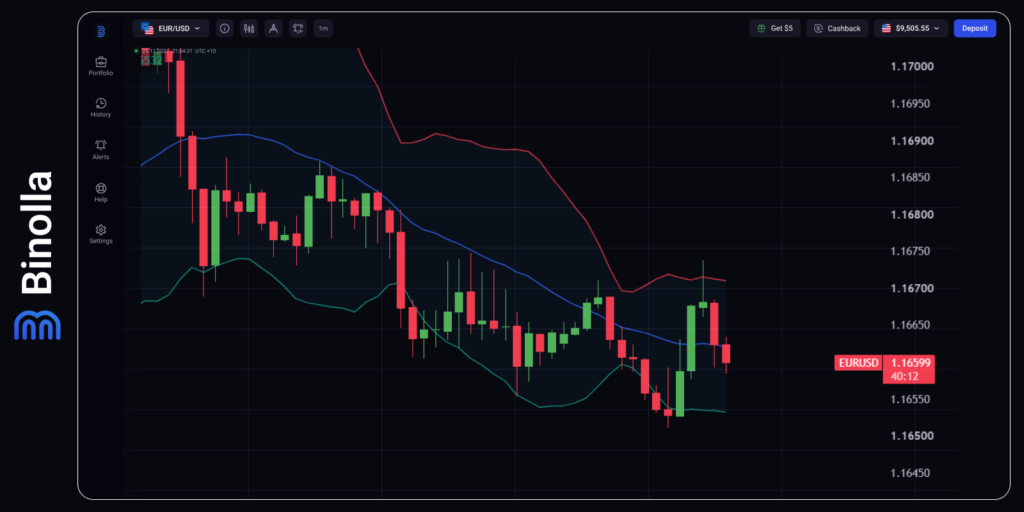
The euro touched a fresh three-month high, benefiting from a weaker US dollar. ECB maintains its hawkish course. French industrial output declined, adding a cautionary note. However, markets remain focused on the widening policy gap between the two central banks. ECB officials continue to send hawkish signals, while the Fed is divided between those who want to hike rates and those who want to hold them or even cut rates.
The weaker US data flow has reinforced the view that the dollar’s yield advantage may be peaking. Market participants now turn attention to Wednesday’s inflation data and the upcoming speech by Fed Chair Walsh, looking for signals. Any hawkish surprise may push the US dollar higher.
From a technical perspective, EUR/USD is trading in the middle of the Bollinger Bands indicator, slightly above 1.1650. Traders can use the following entry points:
Buy: 1.1670 Targets: 1.1700 and 1.1750
Sell: 1.1650 Target 1.1600 and 1.1570
GBP/USD: Bank of England Momentum Fades
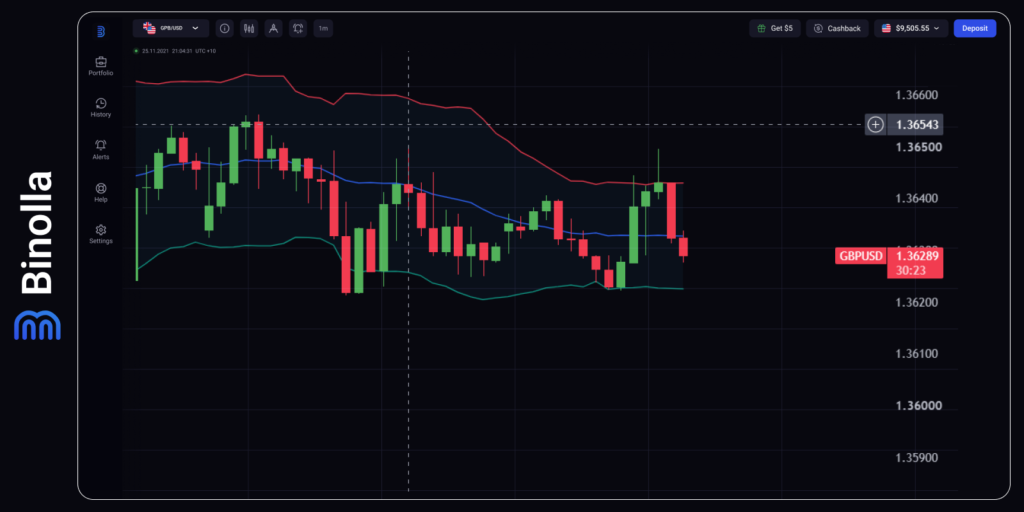
The British currency trades lower despite the weaker US data as the BoE’s hawkish reputation is fading. While the UK economic indicators show signs of softening, the Bank of England seems to lose its willingness to hike rates further. The situation is more complex than it may seem at first glance due to the Fed’s division. Three hawks on the committee provide some support to the US dollar. Any further signs of weakness in macroeconomic data from the United Kingdom could accelerate the pound’s decline.
From a technical analysis perspective, the currency pair is trading in the middle of the Bollinger Bands indicator. Traders can find the following entries:
Buy: 1.3640 Targets: 1.3700 and 1.3750
Sell: 1.3620 Targets 1.3550 and 1.3520
WTI Crude: Geopolitical Premium Returns
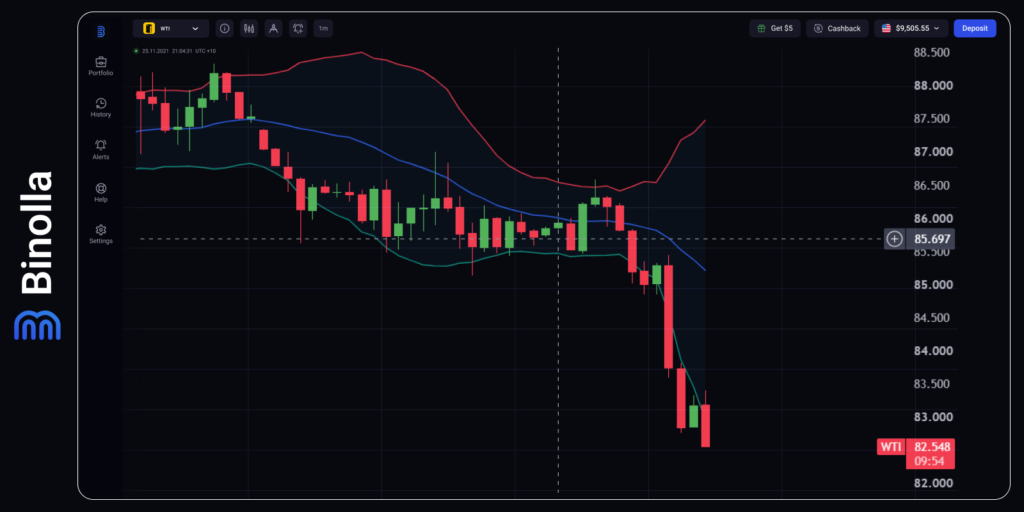
Oil continues to benefit from the developing escalation in the Middle East as tensions between the US and Iran continue to progress. The expiration of the cease-fire deal and supply concerns support oil. Gasoline prices are now almost $4 per gallon, which is higher than last year. Market participants are frustrated as they see no way for a diplomatic solution at this moment. Additionally, the White House puts additional sanctionary pressure on Tehran, targeting main Iranian trade partners.
From a technical analysis perspective, oil is trading below the lower band of the Bollinger Bands indicator, which means that sellers now control the market. Traders can use the following entries:
Buy: 83.50 Targets: 85.00 and 87.00
Sellers, 83.20 Targets: 82.00 and 80.00
XAU/USD: Gold Defies Hawkish Pressures
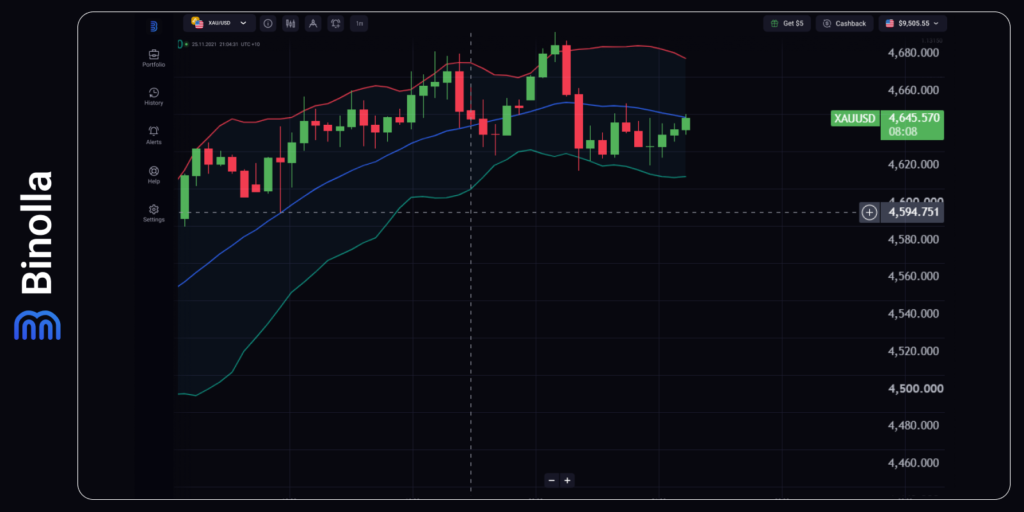
Gold is trading firm as geopolitical tensions support safe-haven demand. However, high Treasury yields on the 30-year bond put pressure on the non-yielding metal. The competing forces have kept gold in a tight range. Markets are now looking at Wednesday’s PCE inflation data and further developments. If inflation cools further, the Fed may have more room to pause, which means that gold may gain further support from traders and investors.
From a technical analysis perspective, gold is trading in the middle of the Bollinger Bands indicator. Traders can find the following entries:
Buy: 4,650 Targets: 4,680 and 4,700
Sell: 4,630 Targets: 4,600 and 4,580