Markets Brace for a Pivotal Week: ECB, US Inflation, and Geopolitics Take Center Stage

Global markets enter a critical week as traders watch three drivers: The ECB rate decision, the US consumer inflation report, and the escalating tensions between Washington and Tehran. The dollar remains under pressure as the DXY is hovering near 98.80, which is a two-week low. The Treasury buyback operations are funded by the General Account and they are successfully offsetting hawkish signals from the Fed.
The Federal Reserve is divided between hawks and doves. After Walsh’s speech at Jackson Hole, markets are pricing in a 60% probability of a 25 bps rate hike in September, which is 40% higher than markets expected a month ago. However, several governors argue for a pause in rate hiking, citing cooling inflation.
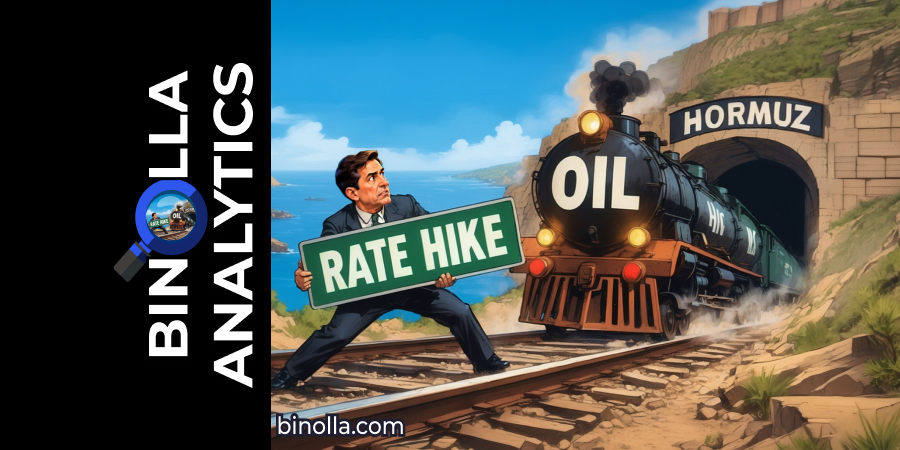
All attention turns to the CPI report due September 11, which will be the last major inflation report before the Fed meeting. Economists expect CPI to reach 3.8% YoY, but core inflation is expected to stay at 3.2%. Geopolitical risks remain in focus with fresh strikes in the region. The Strait of Hormuz pushes oil prices higher.
The ECB meeting on Thursday is among the key events this week. Markets expect the central bank to raise rates to 2.5%. Traders also view another rate hike in December. However, any dovish signs from Christine Lagarde can trigger a swift reversal in the euro’s recent gains.
Contents
EUR/USD: ECB Meeting Looms Large
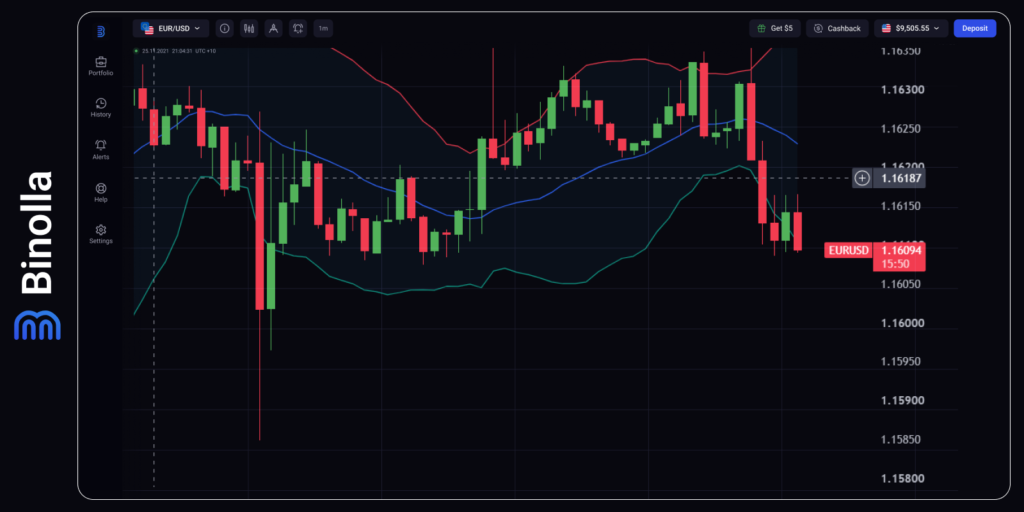
The euro is supported by the upcoming ECB decision. The central bank will hold its meeting on Thursday. Markets expect the regulator to hike rates by 25 bps. Moreover, markets expect the ECB to make another rate hike in December. However, risks lie in the forward guidance. If Lagarde signals that the move that is expected this week may be the last for an extended period, traders may change their view and profit-taking will push the pair down. Any hawkish surprise may provide additional support to the pair.
From a technical analysis view, the currency pair is trading close to the lower boundary of the Bollinger Bands indicator. Traders can consider the following levels:
Buy: 1.1620 TP 1.1650 and 1.1700
Sell: 1.1600 TP 1.1550 and 1.1520
GBP/USD: Bank of England Momentum Fades
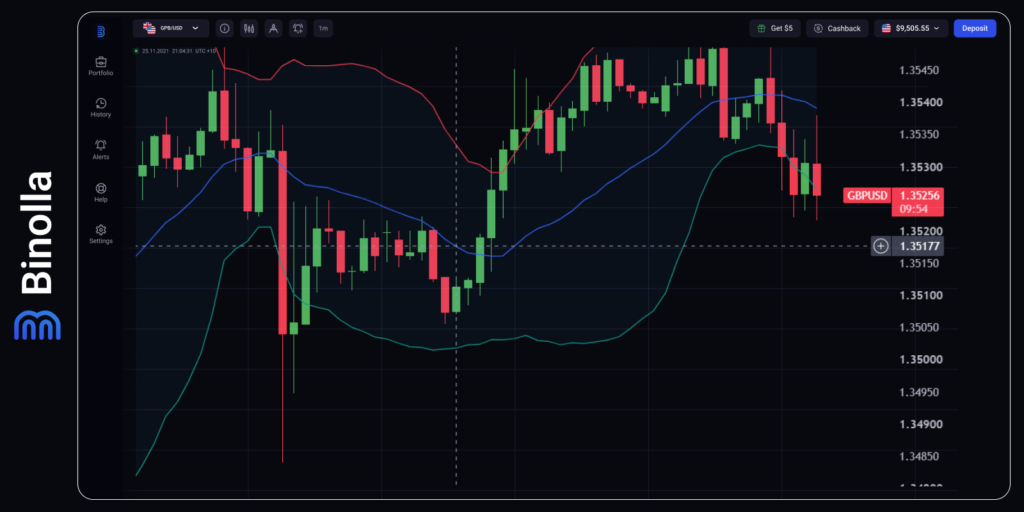
The British pound gains some support amid the BoE policy decision, but the upside may be limited as markets do not expect the Bank of England to make another hike in September. The Fed, in turn, is expected to hike rates by 25 bps at the September meeting, which gives more support to the US dollar. Today the BoE will give its monetary policy report, which may change the situation and shift market expectations.
From a technical analysis perspective, the currency pair is trading close to the lower line of the Bolinger Bands indicator saying that the market is more bearish currently. Traders can watch the following levels:
Buy: 1.3550 TP: 1.3600 and 1.3620
Sell: 1.3520 TP 1.3450 and 1.3400

Use Our Trading Ideas with Binolla
Join Binolla right now and enjoy trading with a reliable brokerage
Join nowWTI Crude: Geopolitical Premium Returns
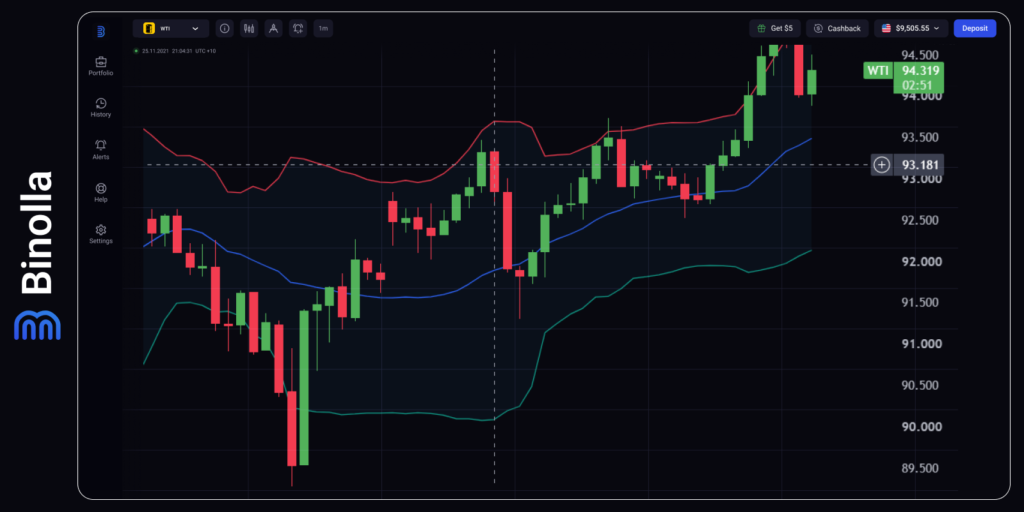
Renewed tensions between the US and Iran help WTI to reach new highs this week. Strikes near the Strait of Hormuz threaten oil shipments in the region. Re-escalation increases geopolitical premium, which, in turn, supports higher oil prices. The expiration of previous diplomatic arrangements and the absence of any credible path to a ceasefire have kept the geopolitical risk premium firmly in place. The White House has also tightened sanctions on Iranian trade partners, further squeezing supply. Markets are now pricing in a potential disruption of up to 1 million barrels per day, and any additional provocation could push WTI toward the $100 mark.
From a technical analysis perspective, WTI is trading close to the upper line of the Bollinger Bands indicator, confirming bullish pressure. Traders should watch the following levels:
Buy: 94.50 TP 96.00 and 98.00
Sell: 94.00 TP 92.00 and 90.00
XAU/USD: Gold Caught Between Safe‑Haven Demand and Hawkish Pressures
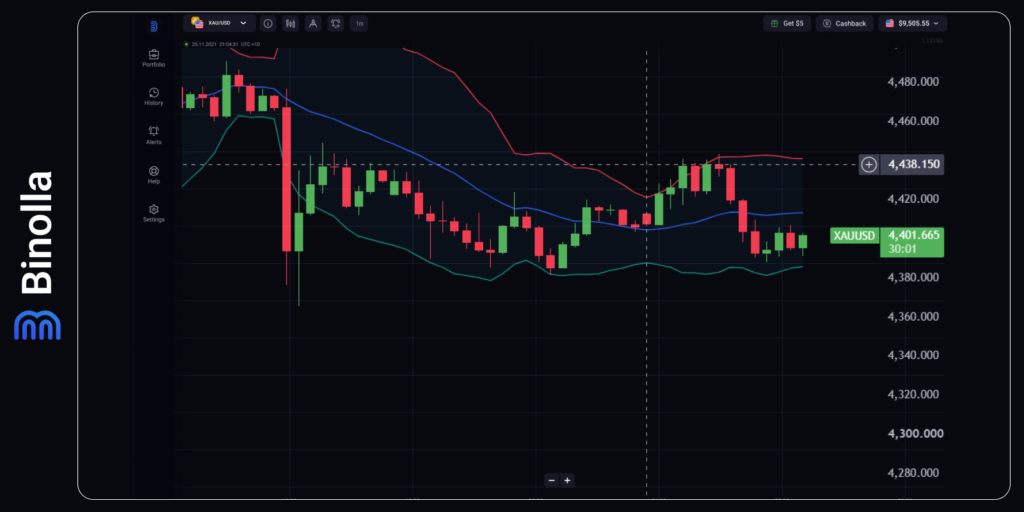
Gold is trading between two competing forces. On one hand, escalating tensions between the US and Iran revive demand for safe-haven assets. On the other hand, rising Treasury yields put pressure on Gold. Gold recently touched a four‑week low below $4,300, but has since recovered as dollar weakness provided a floor. This week’s US CPI data will be decisive: if inflation cools more than expected, the Fed may pause, giving gold a clear upside catalyst. Conversely, a hot reading would reinforce hawkish bets and likely push gold back toward recent lows. Until then, the metal remains in a tug‑of‑war between geopolitical tailwinds and monetary policy headwinds.
From a technical analysis perspective, XAU/USD is trading in a tight range with Bollinger Bands lines being narrow. Traders should watch the following levels:
Buy: 4,400 TP 4,440 and 4,460
Sell: 4,380 TP: 4,350 and 4,320