Inflation Data to Determine Next Direction

The market sentiment is mixed this week due to pressure on the US dollar following a series of economic releases. Weaker-than-expected jobs data from the United States, softer inflation, and disappointing retail sales prompted traders to scale back expectations of a rate hike during the September meeting. Now, only about 30% of market participants expect the Fed to make another hawkish step in the next meeting.
The data-dependent approach from the Fed continues to add uncertainty as policymakers are divided. While most think it is worth leaving the rates unchanged, three FOMC members voted for an immediate rate hike during the previous meeting. Markets are waiting for the minutes from the July meeting due Wednesday and the upcoming Jackson Hole symposium, which may shed light on further guidance.
Geopolitical tensions have taken a sharp turn, which adds complexity to the outlook. The ceasefire between the US and Iran ended this Monday, with risks of escalation remaining high. Shipping traffic through the Strait of Hormuz has almost halted. Iran signals a more offensive operational stance. The situation is still highly volatile as peace talks and diplomatic efforts are under question
All eyes this week on the FOMC minutes, which may shed light on the Fed guidance. Moreover, the PCE data will be released in the US next week, which will also have a serious impact on prices this week.
Contents
EUR/USD: Policy Expectation Shift Favors Euro
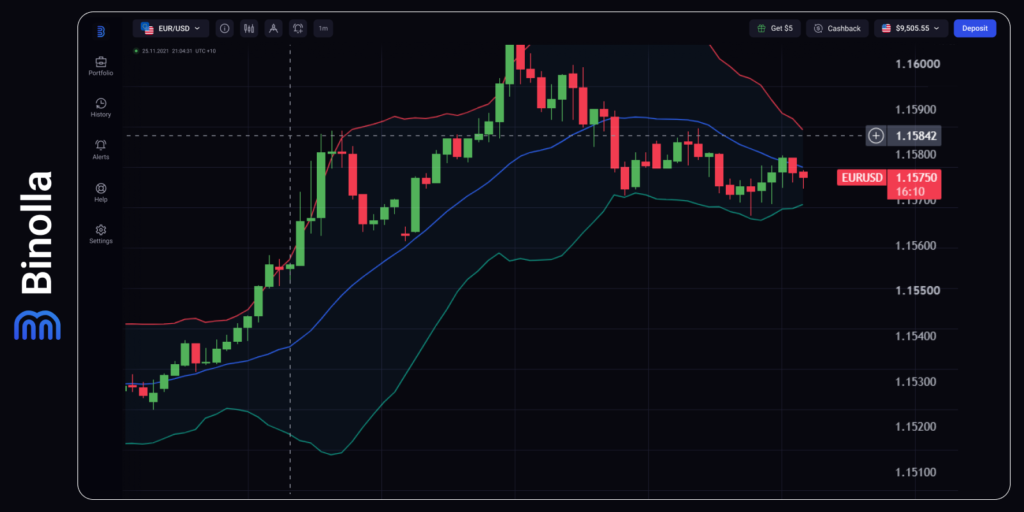
The currency pair continues to benefit from expectations of the Fed’s more dovish stance amid fading rate hike expectations. The weaker US data, which includes softer labor market, inflation, and a decline in retail sales, reinforced the opinion that the Fed will pause its tightening cycle. The European Central Bank, in turn, is expected to maintain the current hawkish policy course, though the outlook is clouded due to declines in French industrial output.
From a technical analysis perspective, the currency pair is trading inside the Bollinger Bands indicator with lines being close to each other, which means that the volatility is narrow. Traders can look for the following levels:
Buy: 1.1580 TP 1.1600 and 1.1650
Sell: 1.1570 TP 1.1500 and 1.1450
GBP/USD: Bank of England Momentum Fades
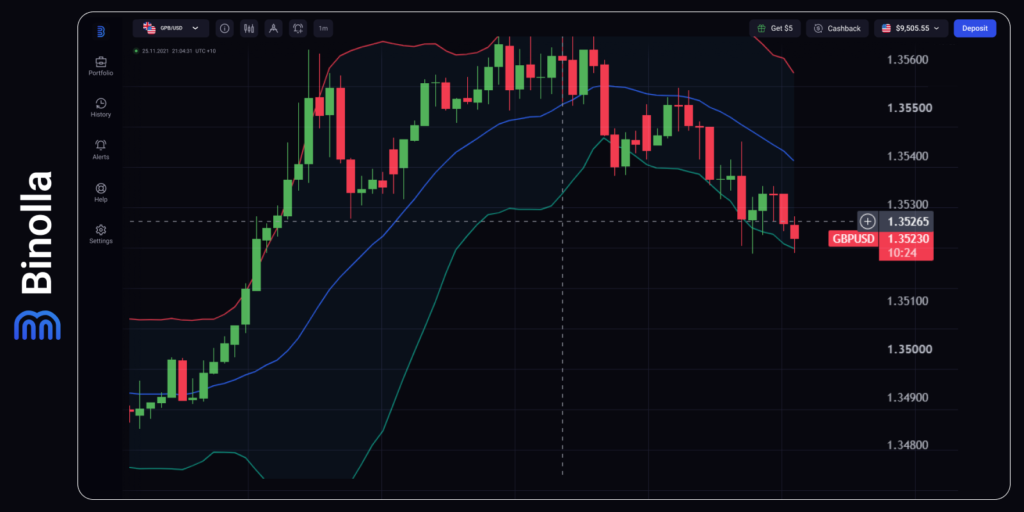
The currency pair is trading lower on Tuesday despite weaker US macroeconomic data. The Bank of England is expected to maintain its hawkish course. When it comes to the situation with the Fed, three hawks on the committee and the removal of the word patient provide some support to the US dollar, but softer labor market data adds pressure, which makes the situation even more complex. Market participants are closely watching UK macroeconomic indicators that will be released this week. Any signs of softer economic data may put pressure on the pound.
From a technical analysis perspective, the currency pair is trading close to the lower band of the Bollinger Bands indicator. The range is wide enough, pointing to higher volatility. Traders can loof for the following levels:
Buy: 1.3540 TP 1.3600 and 1.3650
Sell: 1.3500 TP 1.3450 and 1.3400.
WTI Crude: Geopolitical Premium Returns
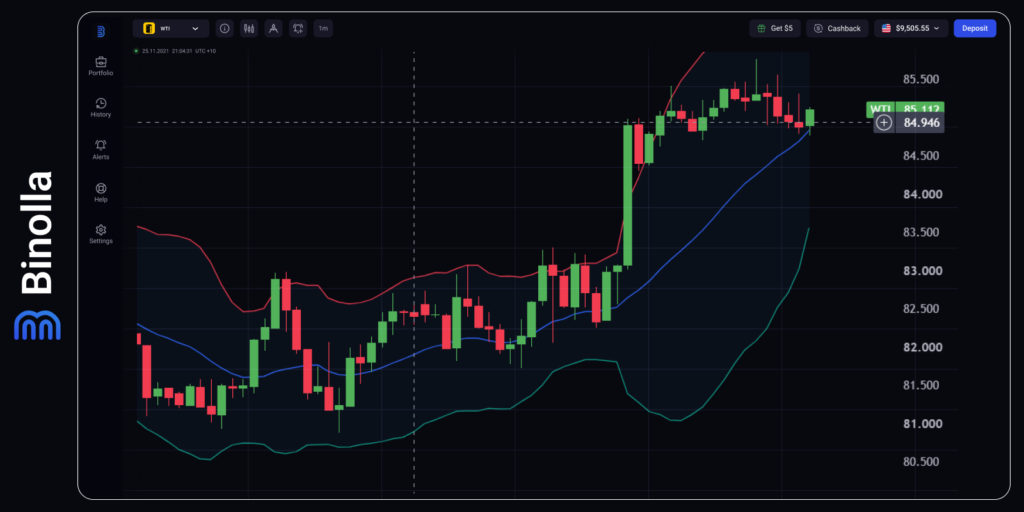
Oil moved higher as the supply disruptions in the Middle East returned to the forefront. The risk premium is added to the energy complex. The expiration of the US-Iran understanding without extension has reignited supply concerns, with traffic through the Strait of Hormuz slowing significantly.
The situation remains fluid. There is no significant diplomatic progress to ease tensions, which adds to uncertainty and puts additional pressure on oil. Any further escalation may drive prices even higher. Market participants are watching any developments in the region.
From a technical analysis perspective, oil is trading close to the middle line of the Bollinger Bands indicator,, confirming the development of the uptrend. Here are the key levels to watch today:
Buy: 85.40 TP 86.00 and 87.00
Sell: 84.70 TP 84.00 and 83.00
XAU/USD: Gold Defies Hawkish Pressures
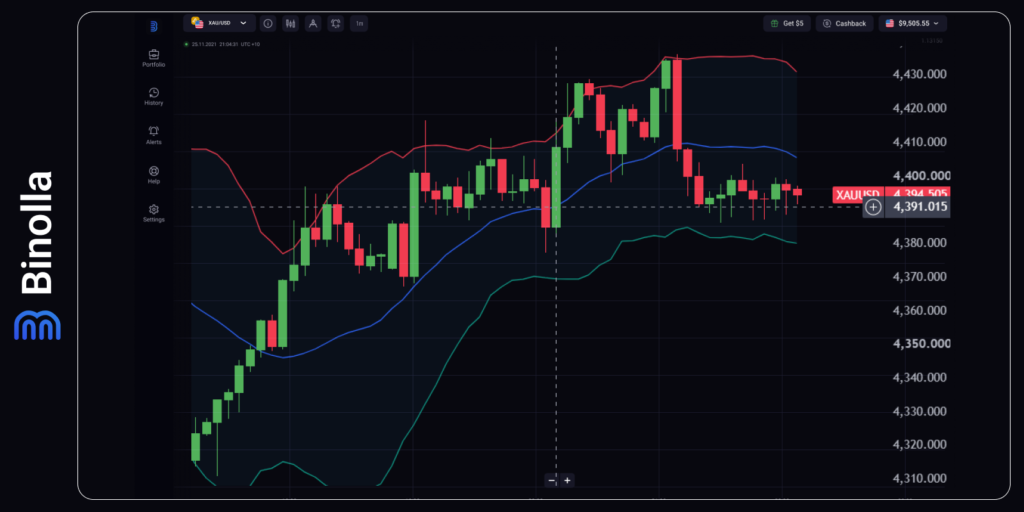
Gold continues to stay firm as geopolitical pressure resumes, but Treasury yields remain high, which puts pressure on the precious metal. Investors continue to maintain positions in the precious metal, with central bank buying and fund inflows providing additional support. The outcome of inflation data and geopolitical developments will likely determine gold’s next major move.
From a technical analysis perspective, gold remains below the middle band of the Bollinger Bands indicator. Traders can focus on the following levels:
Buy: 4,400 TP 4,440 and 4,460
Sell: 4,380 TP 4,340 and 4,300