Fed Hawkish Restart Meets Hormuz Risk Premium

The Fed and the ECD both delivered rate hikes in mid-September, making the first synchronized tightening since 2023. The federal funds rate now reaches 4.00%, and market participants expect the FOMC to deliver at least one more tightening this year. Escalating US-Iran military conflict may spur oil prices and inflation even more, which will push policymakers to make one or even more tightenings this year.
The FOMC statement described the US economic activity as expending with strong productivity growth. The committee said the policy will remain supportive, and they plan to return to the 2% goal. Markets price in 70% probability of another rate hike in October.
The ECB raised its rate by 25 bps in September. According to forecasts, inflation in the Eurozone is expected to reach 3.0% in 2026. Lagarde did not precommit to any rate path stating that further decisions will be data dependent and taken meeting by meeting.
When it comes to the geopolitical picture, the situation in the Middle East remains unresolved, which adds geopolitical premium to WTI quotes. The inflation pressure is expected to remain in place until the first half of 2027. However, any sign of de-escalation may lead to oil corrections and even trend reversals.
Contents
EUR/USD: ECB Hikes, But Guidance Is the Real Variable
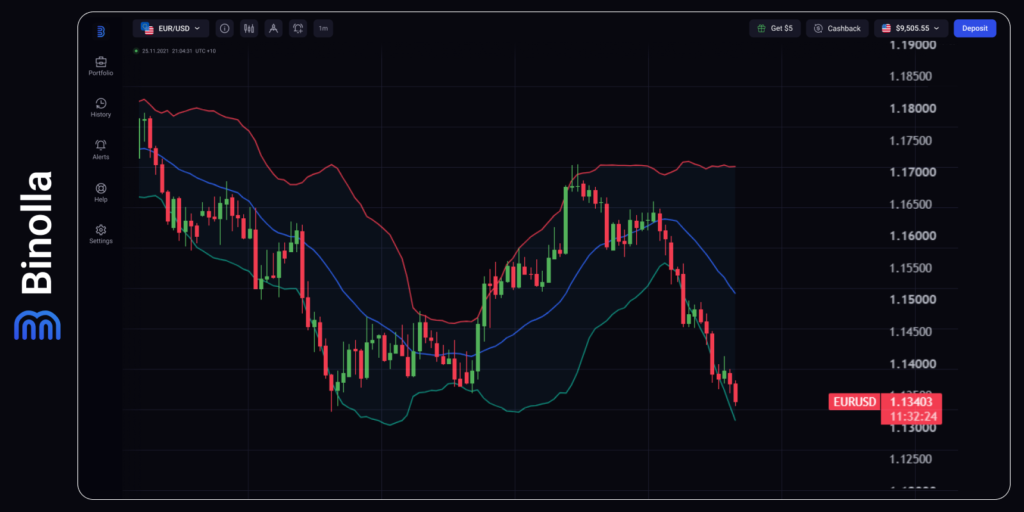
The ECB decision supported the euro, although the move was largely priced in beforehand. What matters now is forward guidance, and Lagarde’s refusal to signal the next move has added uncertainty, not clarity. The Governing Council stressed that it is “not pre-committing to a particular rate path.” Eurozone inflation above target gives a floor for the currency but the trade-off between further tightening weighing on growth and pausing too soon letting inflation run makes the near-term direction unclear.
From a technical analysis perspective, the currency pair is heading south by establishing new lows close to the lower band of the Bollinger Bands indicator. Traders can check the following levels:
Buy: 1.1380 Targets: 1.1450 and 1.1500
Sell: 1.1350 Targets: 1.1300 and 1.1280
GBP/USD: A Diverging Policy Path
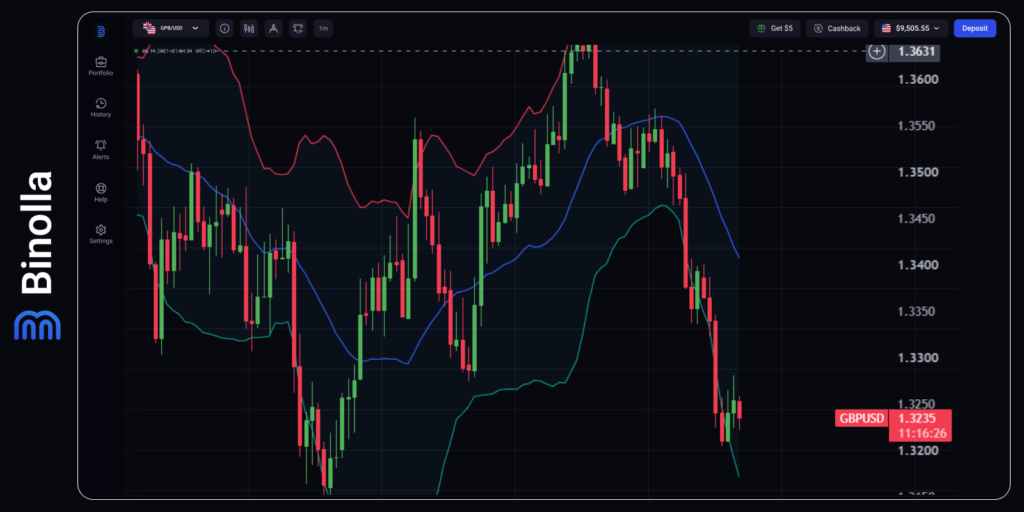
The currency pair is caught between two opposite dynamics. The Bank of England held its rate at 3.75% for the sixth consecutive meeting. However, three members of the central bank voted for a hike. With inflation still being above the BoE target, the next hawkish move may be inevitable. Gov. Bailey said the energy shock from the Middle East has limited impact on British inflation. However, he also warned that longer volatility may result in another rate hike. Headline inflation in the UK rose to 3.1% in August, driven mostly by fuel prices. Inflation may continue to rise in the UK and reach 3.9% in the first quarter of 2027.
From a technical analysis perspective, the currency pair is trading with a downside bias, setting new lows and testing the lower band of the Bollinger Bands indicator. Traders can watch the following levels:
Buy: 1.3260 Targets: 1.3300 and 1.3350
Sell: 1.3200 Targets: 1.3140 and 1.3100.
WTI Crude: The Geopolitical Premium Returns
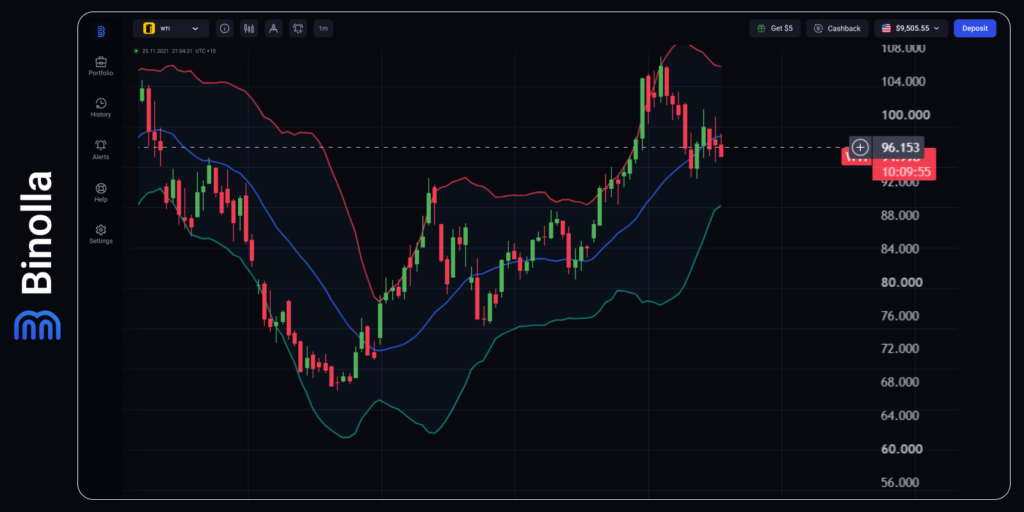
Oil is attracting attention again. Increased military tensions between the US and Iran support high energy prices, with the energy shock continuing to generate inflation pressures. This, in turn, creates support for WTI and puts inflationary pressure on major and emerging economies. The question now is whether the geopolitical premium can sustain current levels or a diplomatic opening will put pressure on oil and lead to a rapid decline.
From a technical analysis perspective, oil is trading close to its local highs but remains below 100. Traders can watch the following levels:
Buy: 96.90 Targets: 98.00 and 100.00
Sell: 94.00 Targets: 92.00 and 90.00
XAU/USD: Caught in the Crossfire
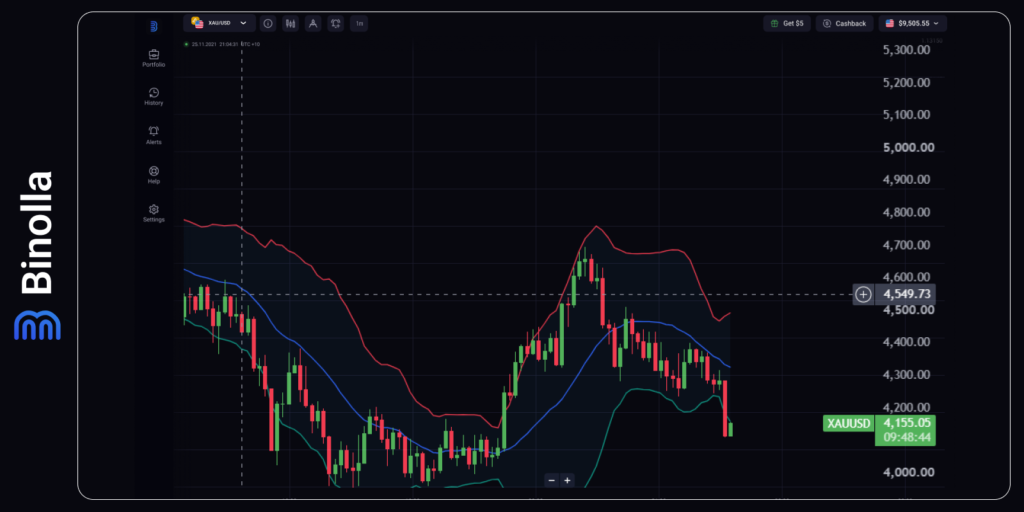
Two forces affect gold prices currently. On one side, the US-Iran crisis supports the precious metal, which is a safe-haven asset. However, the fact that the Fed has raised rates and the Treasury yields are on their multi-year highs put pressure on gold. Direction now hinges on whether geopolitical risk predominates or whether the market fully prices in the Fed’s tightening path.
From a technical analysis standpoint, gold is trading close to the lower band of the Bollinger marking the bears’ domination. Traders can watch the following levels:
Buy: 4,180 Targets: 4,200 and 4,240
Sell: 4,090 Targets: 4,050 and 4,020