Markets Navigate a Fragile Reset

Financial markets enter November with a significant sentiment shift as traders and investors reassess monetary policy expectations and the possibility of de-escalation in the Middle East. Major central banks held their latest policy meetings. Meanwhile, oil prices still support inflation expectations and create new risks for currencies, commodities, and precious metals.
The Fed decided to make no changes in their current rate policy on October 28. The decision reflected the current FOMC strategy to gather more evidence that inflation will accelerate before hiking rates again. According to Fed Chair Kevin Warsh, the American economy proves its strength, but the policymaker emphasizes the necessity of bringing inflation to its target levels. Investors still anticipate another rate hike this year, which may take place in December. However, exact timing will depend on economic conditions.
When it comes to Europe, the ECB maintained its key interest rate at 2.5%. Policymakers acknowledged elevated prices and problems in economic growth. The United Kingdom faces similar problems, and the Bank of England will consider these challenges when making decisions on their interest rate during the upcoming meeting, which will take place this week.
The geopolitical situation remains tense as another major challenge is introduced to market expectations. Oil prices plunged as negotiations between Iran and mediators raised hopes for diplomatic progress. However, according to the latest news, military activity near the Strait of Hormuz resumed, which means that the situation remains fragile.
Contents
EUR/USD: ECB Caution Meets a Softer Dollar
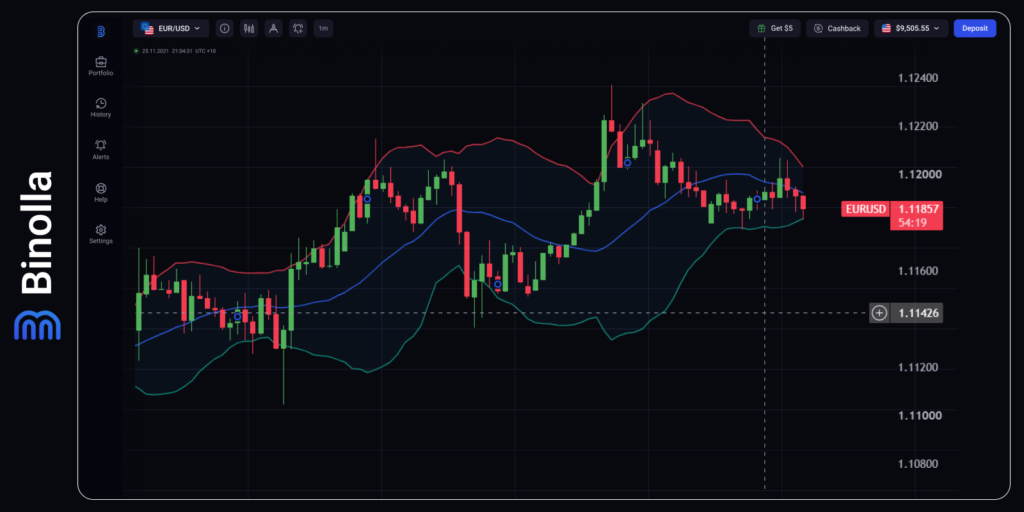
The currency pair remains below 1.1200 due to carry trade and higher US Treasury yields. Traders and investors evaluate the outcomes of the latest ECB meeting as policymakers decided to make no changes in the monetary policy. The European Central Bank is squeezed between higher inflation and weaker economic growth, and they need to find the balance. Future decisions will be made by analyzing the combination of inflation and economic growth figures. On the US dollar side, recent DXY weakness may support EUR/USD, but inflation in the United States is still above target levels, and expectations of another rate hike may bring USD even higher, which will put pressure on EUR/USD.
Buy: 1.1200 Targets: 1.1250 and 1.1300
Sell: 1.1180 Targets: 1.1120 and 1.1100
GBP/USD: Bank of England Faces a Critical November Decision
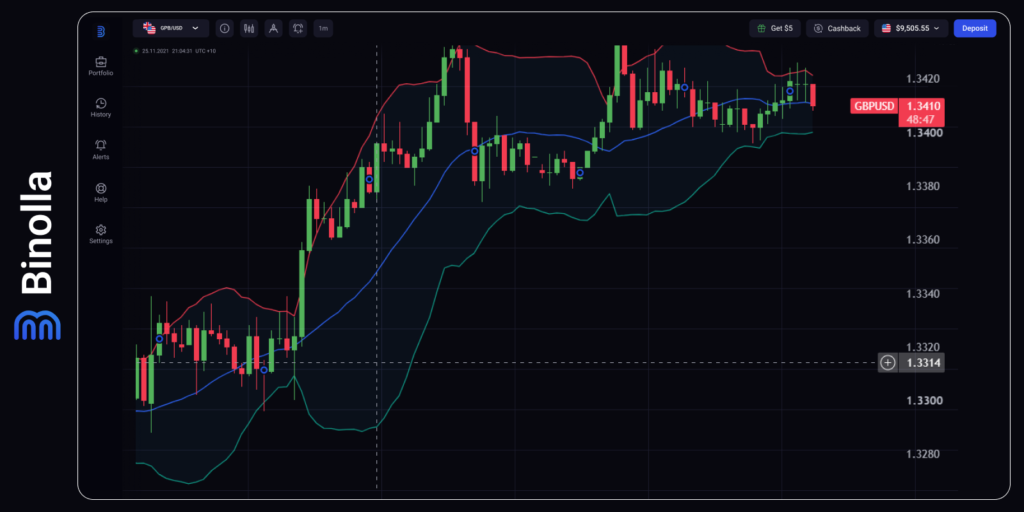
The currency pair enters an important week ahead of the Bank of England meeting. Traders and investors do not expect the central bank to make any adjustments in their current monetary policy, but persistent inflationary pressure and elevated energy costs increase expectations that the bank may increase rates again this year. Recent market expectations suggest that BoE representatives may increase rates even during the upcoming meeting, but they are likely to discourage assumptions of a prolonged tightening cycle.
Buy: 1.3430 Targets: 1.3500 and 1.3550
Sell: 1.3400 Targets: 1.3350 and 1.3300
WTI Crude: Peace Talks Trigger a Sharp Market Reversal
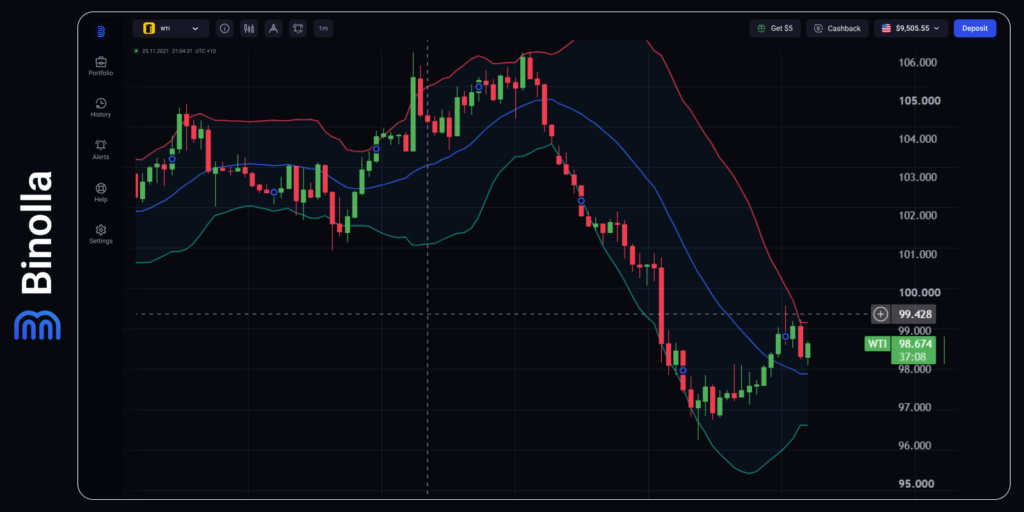
Crude oil declined significantly at the beginning of November as new peace talks bring hopes that the conflict in the Middle East can be solved. This, in turn, will bring back the necessary volumes of oil to global markets. The selloff reflected the reassessment of geopolitical risks. Diplomatic discussions between Iran and Qatari representatives. Peace talks are very important for energy markets, as they could favor improvement of shipping conditions and restore access to disrupted logistics. However, the situation remains complex. According to latest reports, military activities in the region continue despite peace talks. OPEC+ has also decided to maintain its December production targets, leaving the market particularly sensitive to developments in the Middle East. The outlook for WTI will depend on whether diplomatic negotiations produce measurable improvements in shipping security and export volumes. Successful negotiations could reduce the geopolitical premium, while renewed attacks or prolonged disruptions may quickly restore upward pressure on prices.
Buy: 99.50 Targets: 101.00 and 103.00
Sell: 99.00 Targets: 98.00 and 97.00
XAU/USD: Gold Searches for Direction After the Fed
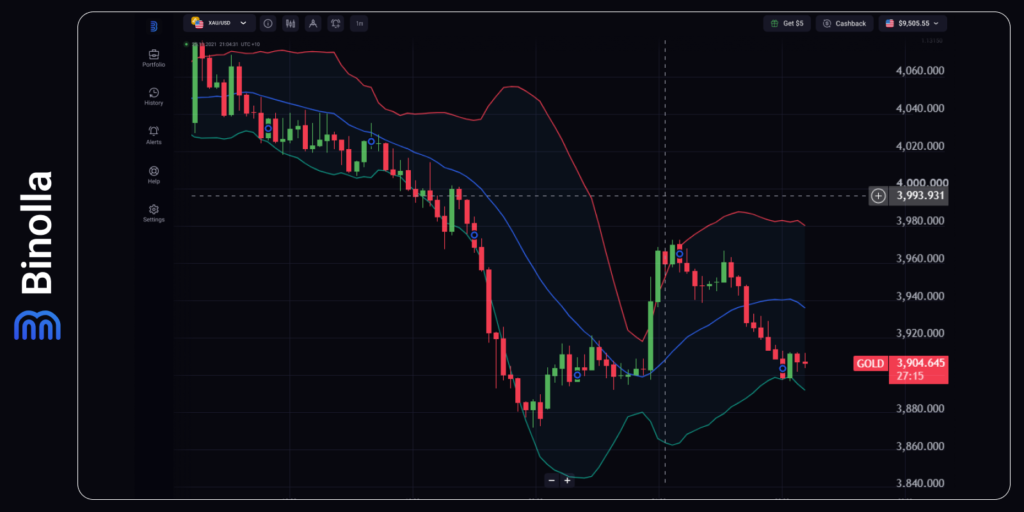
Gold enters the new month facing influences from monetary policy and geopolitical uncertainty. The precious metal recovered about 2% on November 2, but then plunged again as markets brace a possibility of de-escalation in the Middle East. Anyway, any further recovery will remain fragile as traders and investors will evaluate Fed’s next steps.
Buy 3,920 Targets: 3,960 and 3,980
Sell: 3,900 Targets: 3,880 and 3,860