Global Markets Face a Policy Reckoning

Market participants enter the final week of October focused on central bank meetings, inflation data, and uncertainty surrounding energy supplies. The FOMC meeting that will take place on Wednesday is attracting much attention, as policymakers will now only announce their monetary policy decision but also may shed light on their future steps, including one more rate hike in 2026. The Fed is expected to leave its rate unchanged. 94 of 100 economists expect that no changes will take place during the upcoming meeting.
However, the central bank faces inflationary pressure, which leaves the door open for another rate hike this year. Consumer prices reached 3.7% annually, which is far above the Fed’s target.
Going back to Europe, they face a different combination of problems. France’s political and social instability put enormous pressure on the euro. In the United Kingdom, sterling continues to benefit from improved investor confidence, but market participants are focused on the approaching budged release, which will be published on October 28. With major central bank meetings approaching, investors now evaluate how inflation and fiscal policy developments may influence interest rates.
Geopolitical factors remain among the key drivers currently. Diplomatic efforts in the Middle East improve market sentiment. However, new attacks on Saudi Arabia and disruptions in logistics through the Strait of Hormuz still support the risk premium in oil prices and provide some support to gold.
Contents
EUR/USD: French Rating Relief Meets Fed Uncertainty
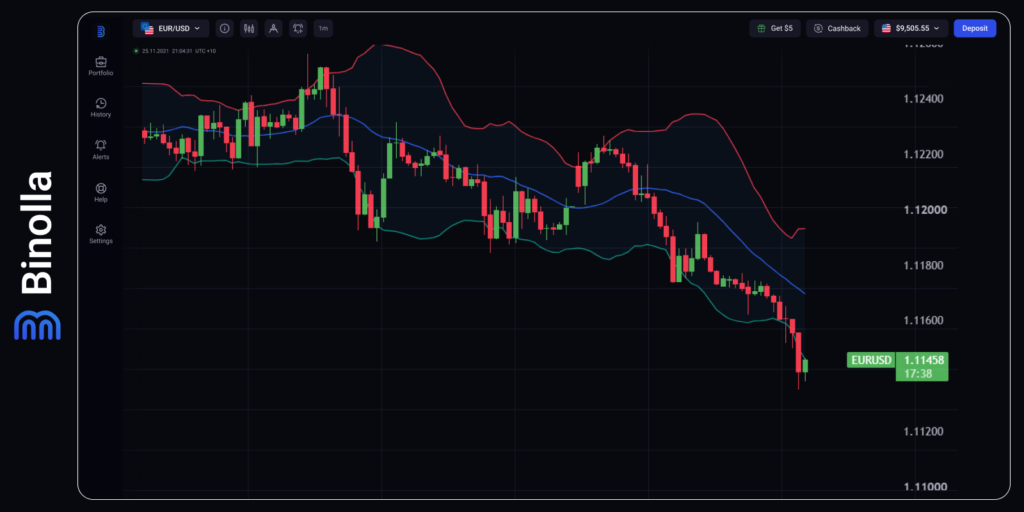
The currency pair receives some support after Moody’s decision to leave the credit rating of France unchanged. The euro strengthened against the dollar and the yen, which means that traders and investors feel more comfortable with the near-term outlook. The ECB monetary policy outlook remains complicated due to higher energy prices. Higher transportation costs are likely to increase price pressure even more, leaving less room for the European Central Bank to hold rates. On the other side, additional rate increases can weaken investments and household spending in the EU.

Use These Trading Ideas with Binolla
Join our reliable brokerage and make your way to success
Start nowFrom a technical view, the currency pair is trading close to the lower band of the Bollinger Bands indicator as sellers’ pressure increases. Traders can watch the following levels:
Buy: 1.1160 TP 1.1200 and 1.1250
Sell: 1.1100 TP 1.1050 and 1.1000
GBP/USD: UK Budget Takes Center Stage
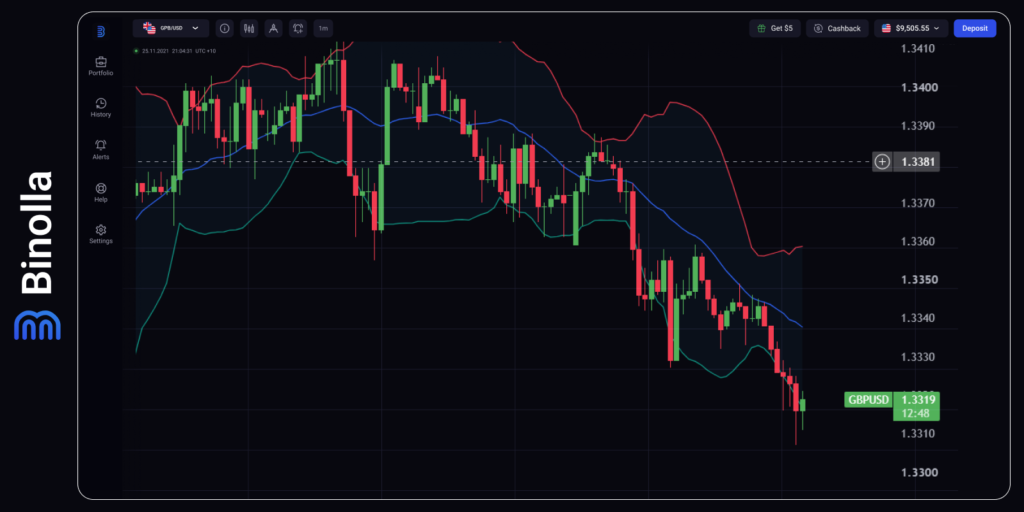
The British pound enters the final week of October facing a serious fiscal test. The budget will be released on October 28. The upcoming statement can influence public finances and reshape expectations of economic growth. Monetary policy is among the most important factors currently. The Bank of England balances between higher inflation and the need to stimulate economic growth. Expectations around future monetary policy decisions could shift fiscal measures.
From a technical analysis view, the currency pair is moving down below the lower band of the Bollinger Bands indicator. Traders can watch the following levels:
Buy: 1.3330 Targets: 1.3400 and 1.3450
Sell: 1.3310 Targets: 1.3250 and 1.3200
WTI Crude: Diplomacy Struggles to Calm Supply Fears
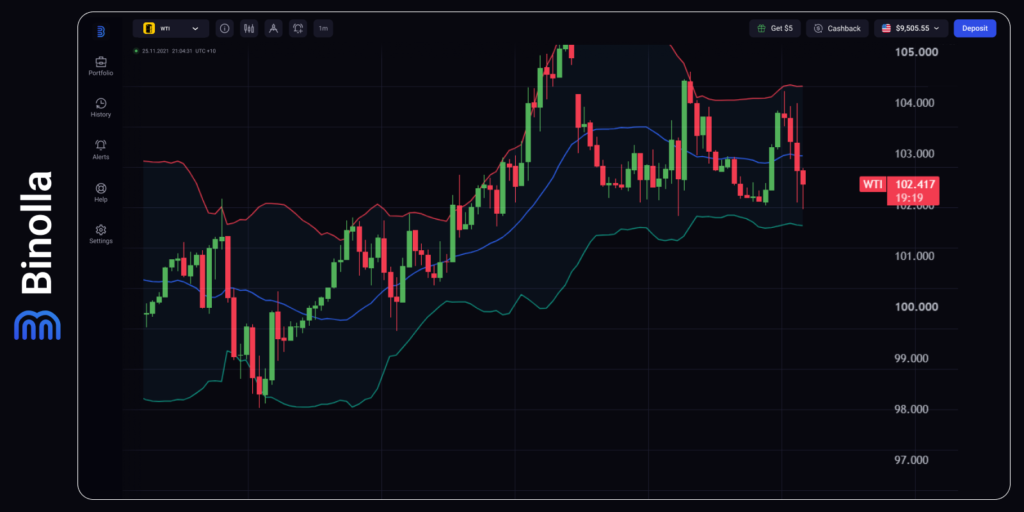
Crude oil remains sensitive to Middle East developments as diplomatic efforts improve the market sentiment, while new escalation leaves the risk premium in place. Latest negotiations raised hopes that further diplomatic efforts can result in a peace agreement and de-escalation. However, the situation remains fragile, which gives some additional support to oil prices.
From a technical perspective, oil is trading in a wide range and tests the lower band of the Bollinger Bands indicator. Traders can watch the following levels:
Buy: 103.00 Targets: 105.00 and 107.00
Sell: 101.50 Targets: 100.00 and 98.00
XAU/USD: Fed Guidance Tests Gold’s Defensive Appeal
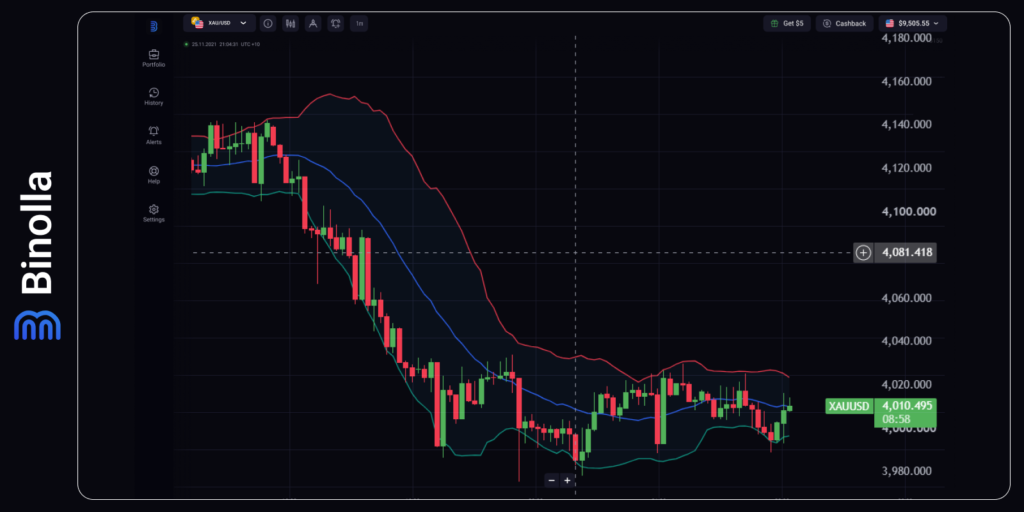
Gold is at a turning point as traders and investors are closely watching the upcoming Fed meeting. If the FOMC raises rates or at least supports its current monetary policy course, gold will remain under pressure for some time. However, if the central bank changes its rhetoric, gold may receive additional support. The relationship between gold and monetary policy remains particularly important. Higher interest rates increase the relative attractiveness of yield-bearing assets, while a stronger dollar can make gold more expensive for international investors. Consequently, even an unchanged Fed decision may not provide significant support if policymakers emphasize the possibility of further tightening.
From a technical analysis view, gold is trading in a narrow range. Traders can watch the following levels:
Buy: 4,020 Targets: 4,060 and 4,080
Sell: 4,000 Targets: 3,960 and 3,940