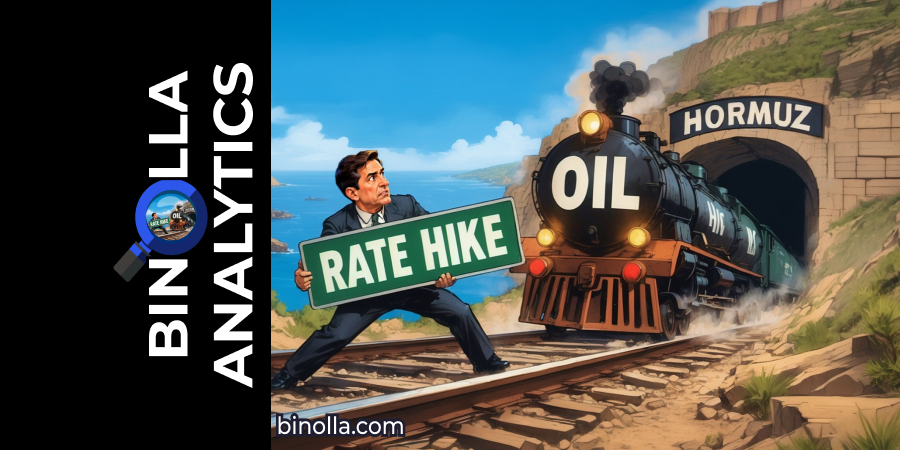
Energy Shock Reshapes Global Markets
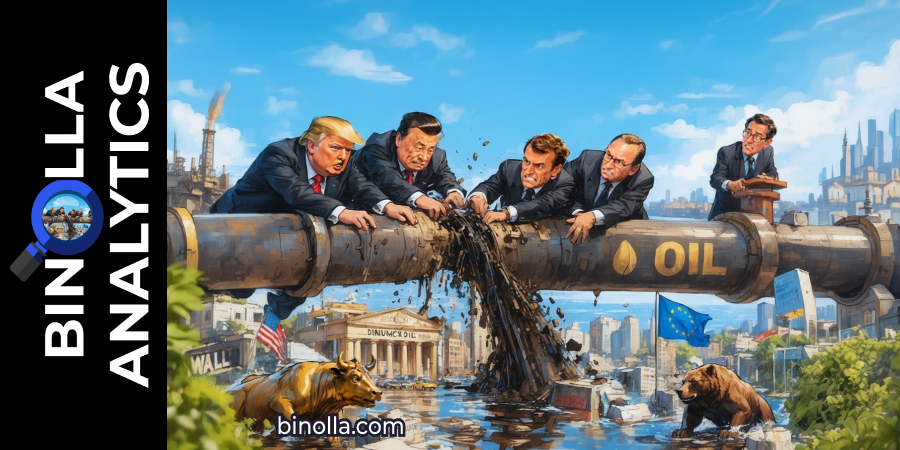
Global markets enter the second half of October facing renewed pressure from geopolitical tensions. The conflict between the US and Iran intensifies concerns about global oil supplies. Investors are also reassessing the outlook for central bank decisions as inflation remains a major concern for developed economies.
The Fed is approaching its October meeting with growing expectations that the rate will remain unchanged at least for the upcoming event. The rate was elevated to 4.00% during the September meeting. Despite stronger-than-expected inflation, expectations of additional tightening in October have reduced. However, the possibility of another rate increase this year remains in place.
When it comes to Europe, it faces a different combination of challenges from both economic and political sides. Rising energy prices increase inflation risks; however, higher borrowing costs and political instability in France put pressure on government finances. The ECB has already raised rates twice this year, but policymakers are concerned about the impact of tighter monetary policy on economic growth. In the UK, expectations of another rate hike support the sterling although the upcoming government budget and elevated energy costs remain important sources of uncertainty.
The energy market remains among the most influential drivers of global sentiment. Disruptions in the Strait of Hormuz and attacks on the energy infrastructure increase concerns about supply shortages. These developments affect inflation expectations.
Contents
EUR/USD: ECB Faces a Growing Energy Dilemma
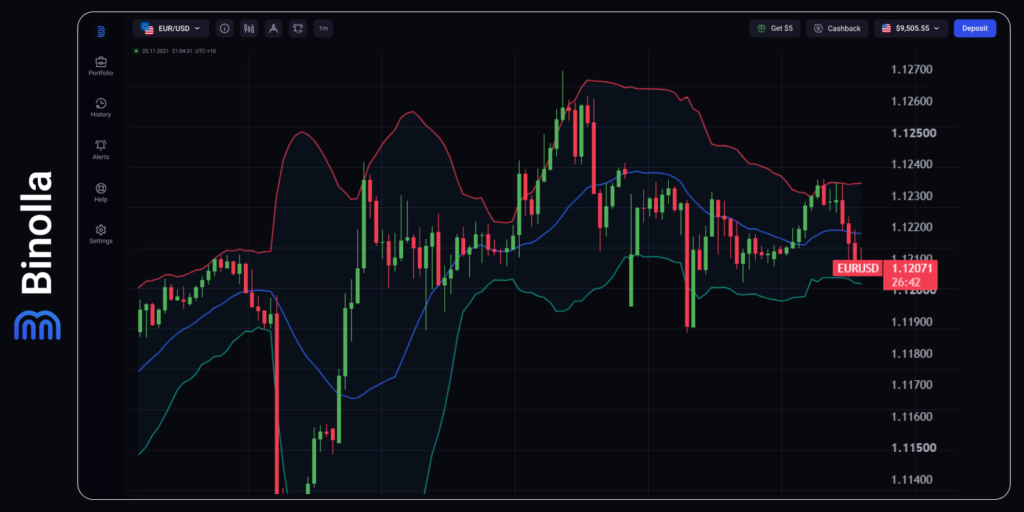
The currency pair remains under pressure as market participants assess the consequences of rising energy prices and tightening financial conditions. Political uncertainty in France continues to put pressure on the euro, while elevated borrowing costs create additional challenges for local policymakers. The ECB faces a complicated inflation outlook. According to ECB President Christine Lagarde, the recent global bond market selloff has tightened financial conditions. Energy stock creates a competing risk. Persistent increases in fuel costs will influence consumer prices and wages.
From a technical perspective, the currency pair is trading close to the lower band of the Bollinger Bands indicator. Traders should watch the following levels:
Buy: 1.1220 Targets: 1.1280 and 1.1300
Sell: 1.1200 Targets: 1.1150 and 1.1100
GBP/USD: Sterling Gains Support From UK Rate Expectations
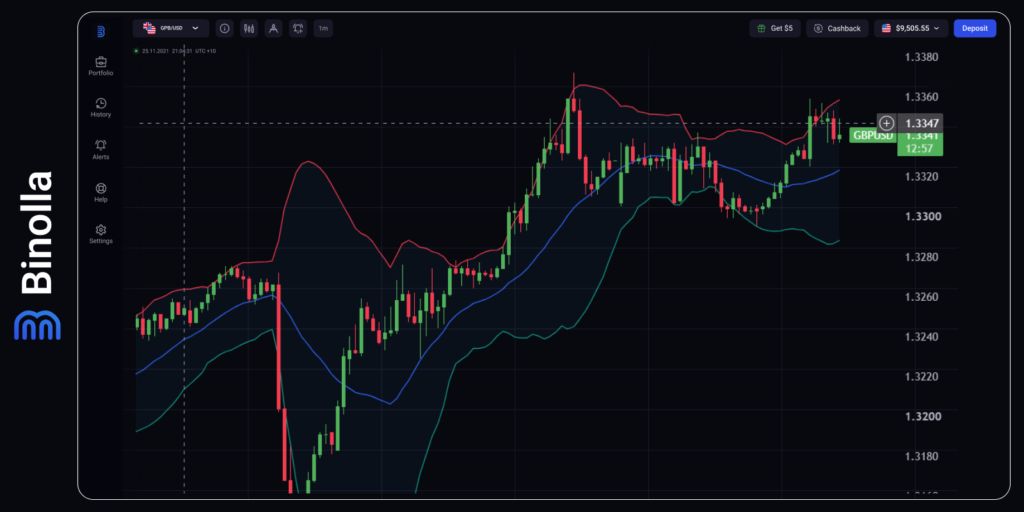
The British currency demonstrates relative resilience despite uncertainty across global markets. Sterling has recently outperformed the euro, supported by encouraging economic data from the UK. Reduced concerns about the fiscal outlook for the British economy helped distinguish sterling from the euro. The Bank of England continues to monitor inflation risks as higher energy costs accelerate consumer prices. According to Andrew Bailey, the BoE governor, the initial impact of energy costs was limited, but prolonged disruptions may affect wages, prices, and business costs.
From a technical analysis perspective, GBP/USD stays close to the upper band of the Bollinger Bands indicator. Traders can watch the following levels:
Buy 1.3360 Targets: 1.3400 and 1.3450
Sell: 1.3330 Targets: 1.3300 and 1.3250
WTI Crude: Supply Disruptions Revive Energy Inflation Risks
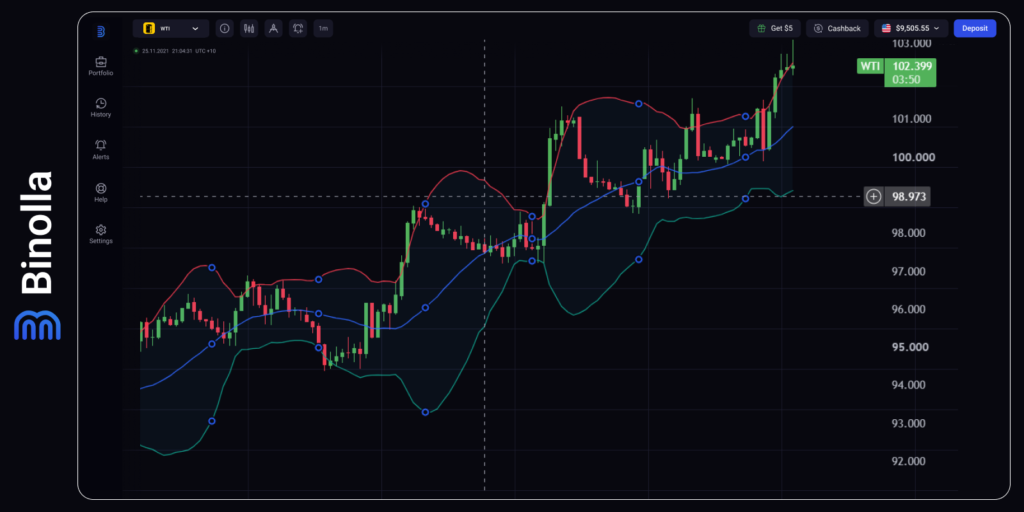
Crude oil remains in focus as disruptions in the Middle East continue to support the risk premium. The Strait of Hormuz remains one of the most important sources of uncertainty as restrictions threaten one of the key routes. Recent incidents involving oil tankers reinforced concerns about the security of shipment in the region.
From a technical analysis view, oil is trading close to the upper band of the Bollinger Bands indicator with the buyers dominating the market. Traders can watch the following levels:
Buy: 103.00 Targets: 105.00 and 107.00
Sell: 101.90 Targets 101.00 and 100.00
XAU/USD: Gold Weighs Fed Patience Against Global Uncertainty
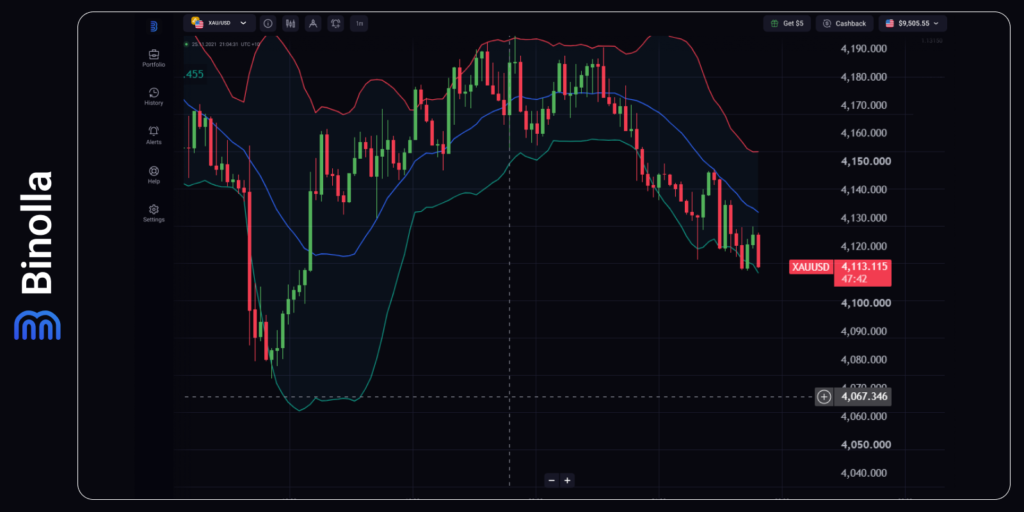
Gold remains sensitive to geopolitical situation and expectations surrounding the Fed and its policy decisions. The precious metal can’t benefit from tensions in the Middle East as Treasury yields remain elevated. The outlook remains complicated by higher energy prices, which reinforces inflationary pressure in the United States. Geopolitical risks continue to provide an additional source of potential demand. Uncertainty surrounding Middle Eastern energy supplies, global trade disruptions, and concerns about financial stability may encourage investors to maintain exposure to defensive assets. Nevertheless, gold does not always benefit immediately from geopolitical escalation, especially when the resulting inflation shock strengthens expectations of higher interest rates.
From a technical analysis view, gold is moving south and testing the lower band of the Bolinger Bands indicator. Traders can watch the following levels:
Buy: 4,130 Targets: 4,160 and 4,180
Sell: 4,110 Targets: 4,080 and 4,050