Markets Pivot on Hormuz and the Fed’s New Sheriff

The new week brought a geopolitical shift with the US and Iran inking a 60-day roadmap towards the deal, following their talks in Switzerland. The meeting took place last week, and the Strait of Hormuz is now open. Another important point is that Iran agreed to allow the International Atomic Energy Agency to inspect its objects. This is a major milestone towards permanently ending the conflict.
However, the market’s attention now is shifting to macroeconomic data and projections. Kevin Walsh has taken the wheel as the new chair of the Federal Reserve and sent a clear signal that the policy will remain restrictive. The Fed held rates steady at 3.50%-3.75% for four consecutive meetings. However, the dot plot projection has shifted dramatically. Almost all members now project that the rates will remain elevated, and according to rumors, the Fed may even hike rates at least once this year.
Contents
EUR/USD: The Currency Pair Slides Amid Hawkish Fed
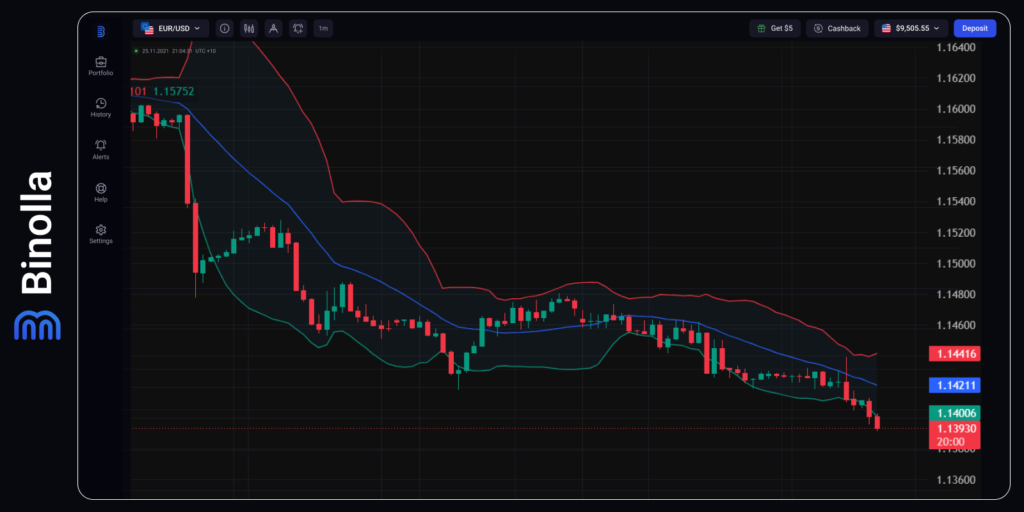
The currency pair struggles to recover due to the restrictive policy by the Federal Reserve. The de-escalation in the Middle East provides some relief and helps EUR/USD to find local support. However, the difference between rates and higher Treasury yields provides additional demand for the US dollar. The new Chair shifts away from forward guidance to a more data-dependent approach, which means that the Fed will watch the upcoming releases and make any further decisions based on inflation and economic growth. The euro, on the other hand, remains vulnerable due to lower ECB rates and slow economic growth, which is coupled with elevated inflation. The European Central Bank will have a tough choice between letting the economy slip and supporting it by stimulating inflation growth.
From a technical analysis view, the currency pair continues to slide down, testing the lower band of the Bollinger Bands indicator. Further downside is on the table now, with EUR/USD could reach 1.1300. On the upside, the currency pair may start the upside above 1.1420, targeting 1.1500.
GBP/USD: The BoE’s Still Supports the Pound
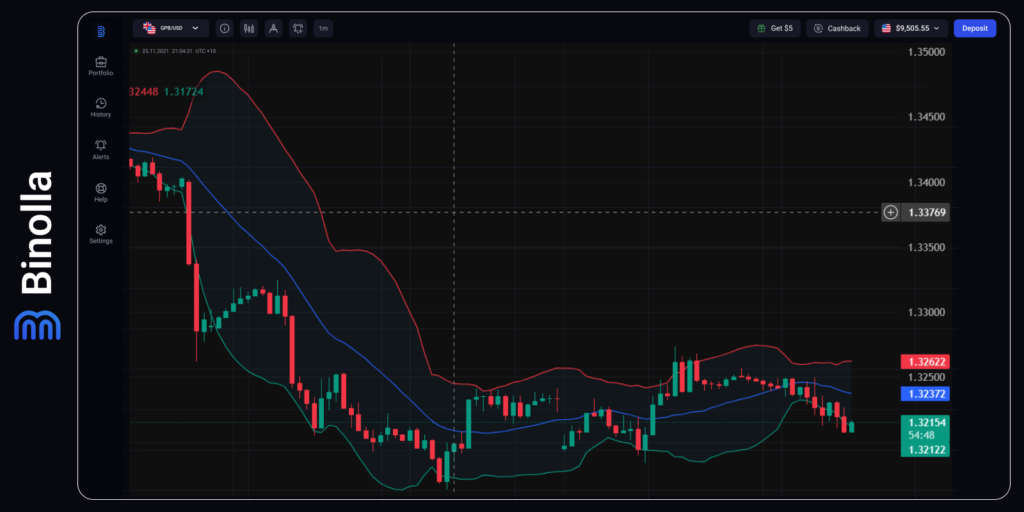
The pound is in a unique position. The Bank of England maintains a hawkish tone without any perspective of cutting rates in the near future. The recent decisions to maintain the current 4% rate supported GBP. However, the UK economy is showing signs of fragility, which may change the game by the end of 2026. The US economy, on the other hand, looks more fit at the moment, with labor market strength and an elevated inflation rate. In this situation, the pound is likely to continue its downside. The political situation in the UK adds to the pressure.
From a technical analysis view, the currency pair is testing the lower band of the Bollinger Bands indicator. Further downside will be possible below 1.3200 with targets at 1.3150 and 1.3100. On the upside, traders can buy from 1.3240 targeting 1.3300 and 1.3350.
WTI Crude: The Blockade Is Over
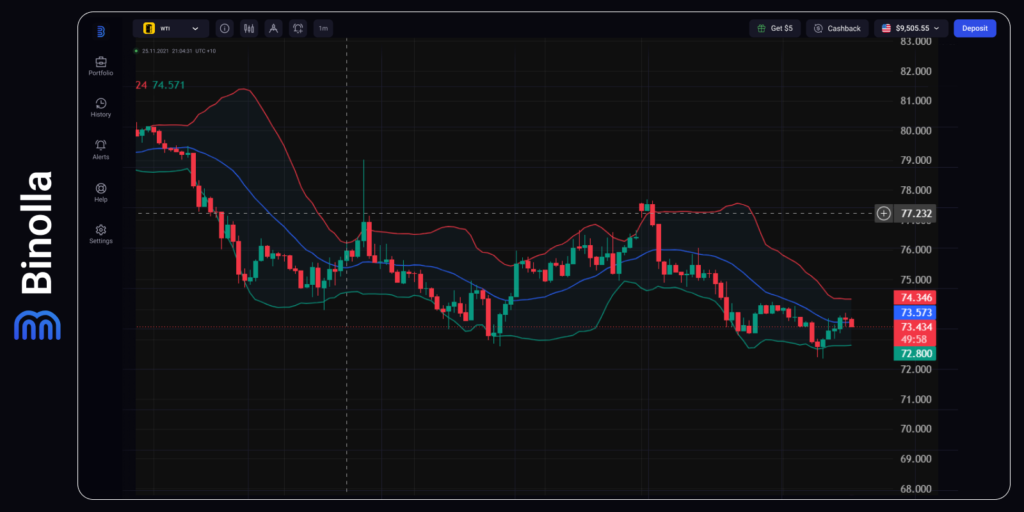
Crude oil is under pressure amid the reopening of the Strait of Hormuz as geopolitical premium eases. The price plunged below $74 per barrel, a level not seen before the escalation of the conflict. With the Iranian oil back in the markets, WTI may develop its downtrend in the short-term. However, some skepticism still remains in place. The Strait will remain under Iranian administration and the cooperation with the IAEA will remain under the current procedures.
From a technical analysis view, oil is trading in the middle of the Bollinger Bands indicator, which shows some uncertainty in the market. Sellers can step in below 72.70, targeting 72.00 and 70.00, while buyers are likely to gain control above 74.00 with targets at 76.00 and 78.00.
Gold: Still no Support from the Markets
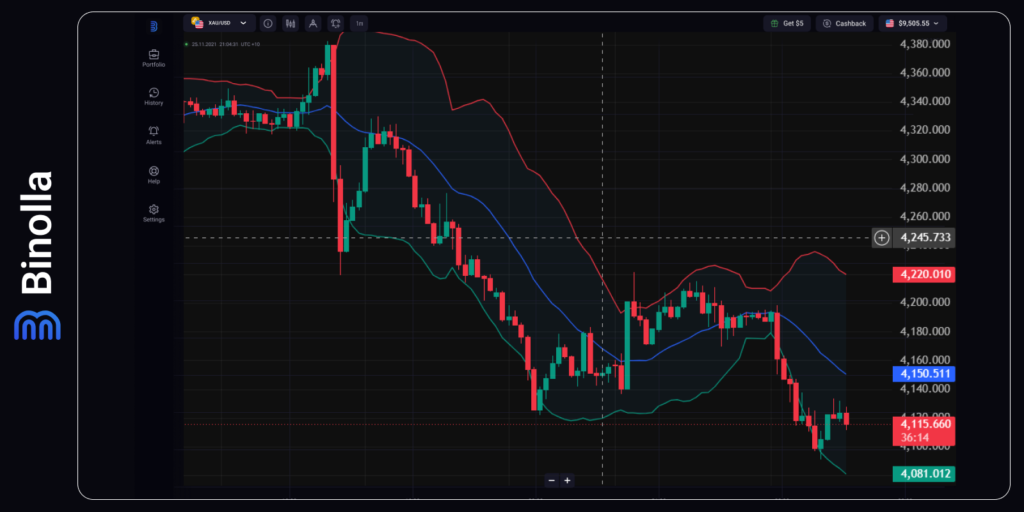
Gold remains trapped between the hawkish Fed and higher Treasury yields on one side and lowering geopolitical risks on the other. The precious metal has suffered a significant decline and is moving towards 4,100 now. With the latest hawkish Fed signals, the precious metal is unlikely to gain additional support.
From a technical analysis view, gold is trading below the middle line of the Bollinger Bands indicator, with the lines widening, telling traders that the volatility is growing. Sellers can step in from current levels targeting 4,100 and 4,080. Buyers on the other hand, can engage above 4,130 targeting 4,160 and 4,180.