Markets on Edge: Fed’s July Decision Hangs in the Balance

The upcoming Fed July meeting has become one of the most discussed events so far. The markets have sharply divided over whether the central bank will leave the rate unchanged or deliver a 25-bps rate hike in July. Just a couple of weeks ago, the probability of a rate hike stood close to zero, but things have changed since, and shifting economic signals point to a more hawkish approach. A renewed volatility in energy reignited fears of entrenched price pressures, while softer inflation allows policymakers to hold for a while and watch.
Fed Chair Kevin Warsh refuses to provide any forward guidance, which means that the Fed will not announce the next move. However, market participants will closely monitor all comments from officials, expecting them to add more clarity on their current opinions about the economic situation and monetary policy.
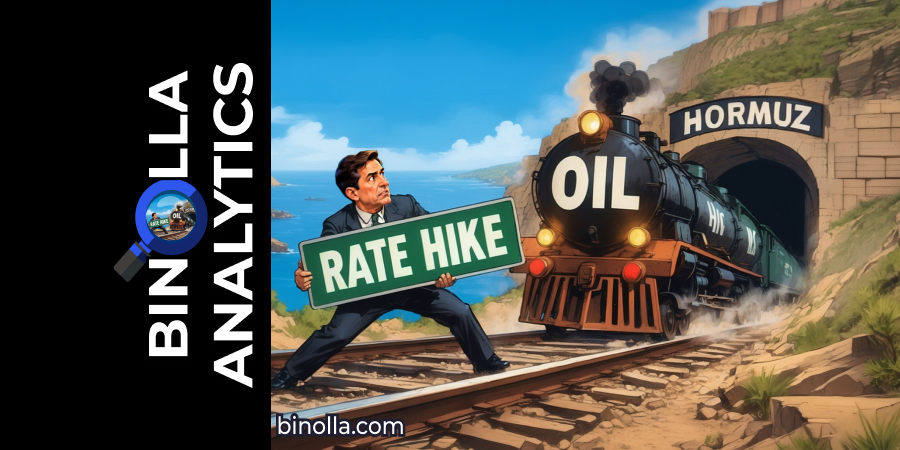
Meanwhile, renewed geopolitical tensions last week pushed oil prices higher. President Donald Trump just paused a two-week bombing campaign against Iran, which puts some pressure on energy. Market participants expect that diplomacy may substitute for military operations. However, the White House announced that bombing will resume if current negotiations fail.
The situation in the Straight of Hormuz remains complex. Iran asserts control over the waterway, a key chokepoint in oil logistics. According to the latest information, traffic throught the area remains subdued.
Contents
EUR/USD: All Eyes on the Fed Meeting
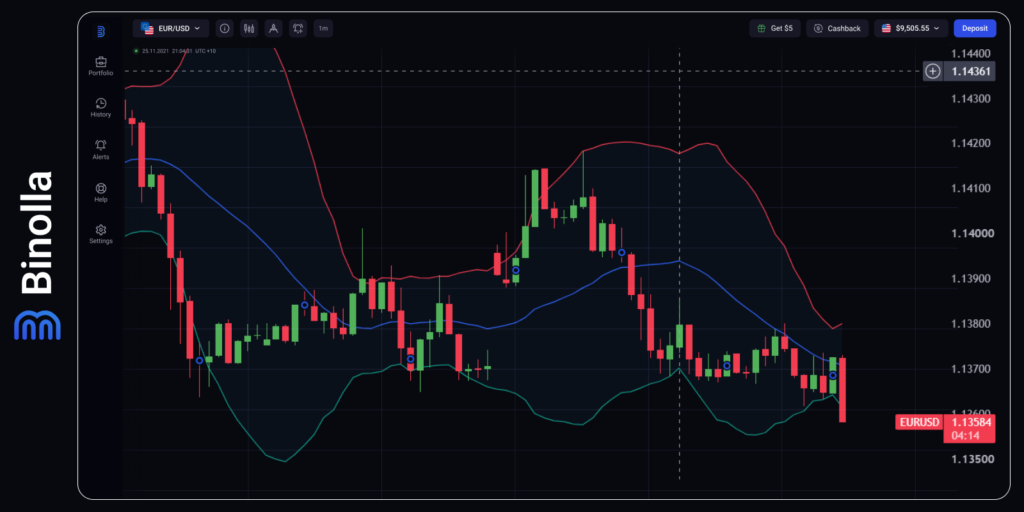
The currency pair is trading in a balance as market participants are anticipating the Fed decision. The dollar index is getting support amid rising hike expectations. On the one hand, the prospects for a hike strengthen the dollar. On the other hand, recent pullback in oil prices may prevent the dollar from any further upside. On the Eurozone side, the ECB held rates at 2.25% in July and signalled a possibility of another rate hike in September. The divergence between the Fed’s and ECB’s approaches will still support the US dollar.
From a technical analysis view, the currency pair is trading below the lower band of the Bollinger Bands indicator. Selling pressure increases as the FOMC meeting is nearing its end. Sellers can engage from 1.1350, targeting 1.1300 and 1.1270. Buyers can step in from 1.1370 targeting 1.1400 and 1.1450
GBP/USD: The Pound Awaits the BoE’s Verdict
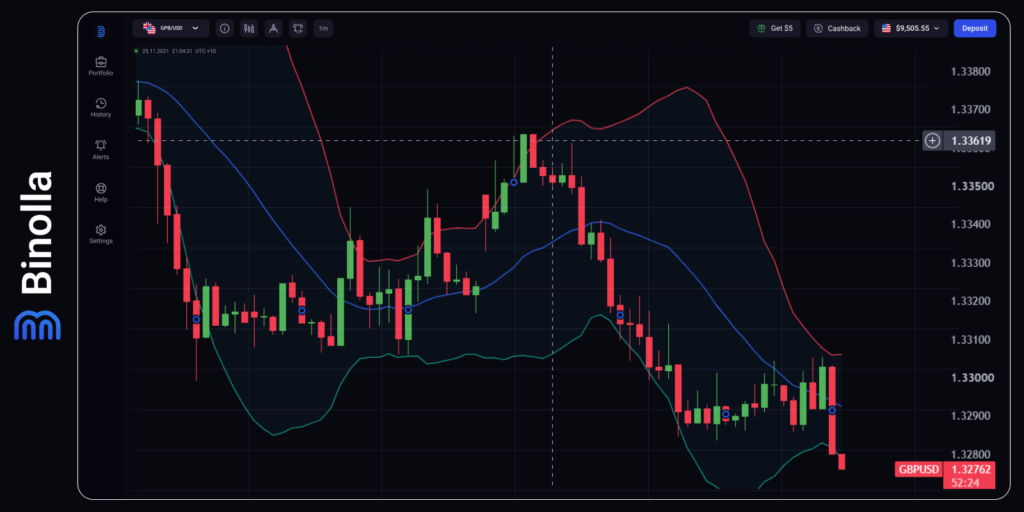
The British currency is under pressure ahead of the Bank of England’s policy decision high probability that the central bank will deliver another 25-bps rate hike on Thursday. The BoE’s policy is driven by higher price pressure and persistent inflation risks. However, the upside for the British pound is capped by geopolitical uncertainty and risks that the BoE may choose a more cautious path for the second half of the year.
From a technical analysis standpoint, the currency pair is trading below the lower band of the Bollinger Bands indicator, which means that sellers are getting stronger. For short positions, wait for the price to break below 1.3270, which may pave the way to 1.3250 and 1.3200. Buyers can step in above 1.3300 targeting 1.3350 and 1.3400.
WTI Crude: The Geopolitical Premium Erodes
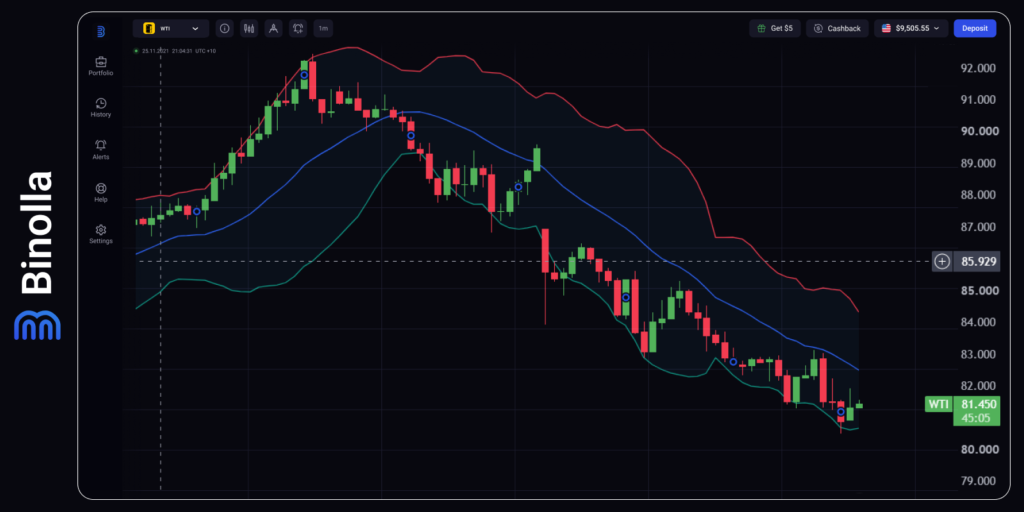
Crude oil continues to lose positions amid de-escalation hopes, with prices plunging as the geopolitical premium erodes. The market is now pricing in a scenario where the Strait of Hormuz remains constrained. However, analysts warn that the risks still remain and they are far from being resolved.
From a technical analysis perspective, oil is trading near the lower band of the Bollinger Bands indicator. Sellers can go short from 80.50, targeting 80.00 and below. Buyers can go long above 81.90 targeting 83.00 and above.
XAU/USD: Gold’s Divergent Rally
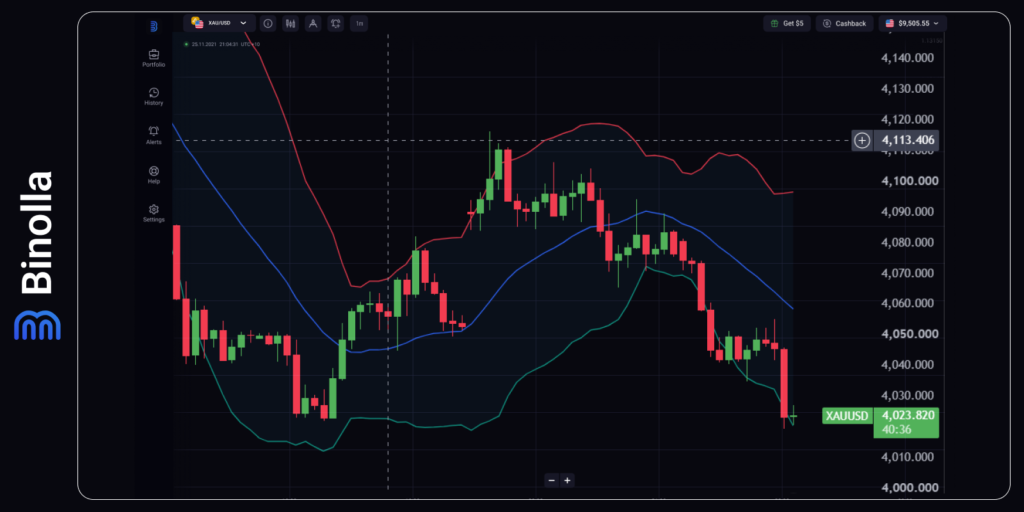
Gold is benefiting from the dollar’s temporary weakness as geopolitical tensions ease. The critical question for gold traders is whether the rally can sustain itself if the Fed signals a more hawkish stance. For now, safe-haven demand erodes, which allows the precious metal to restore its positions.
From a technical analysis standpoint, gold is trading close to the lower band of the Bollinger Bands indicator. Sellers can step in below 4,010 targeting 3,980 and 3,950. On the upside, buyers can step in above 4,030, targeting 4,050 and 4,070.