Ceasefire Hopes, Physical Oil Spike & The Fed’s Inflation Trap: The Real Market Drivers This Week
Global markets are driven by a different set of factors this week after stronger-than-expected US inflation and labor market data. The focus shifts to geopolitics and oil supply disruption. The situation is still volatile. Hostilities between the US and Iran were temporarily ceased, but they can resume on April 21 when the ceasefire agreement ends. While negotiations between the two sides on the weekend failed, market participants expect Washington and Tehran to resume talks before the deadline in order to elaborate on any positive solution.
The Strait of Hormuz remains blocked, and the US President promised to block Iranian ports, which may significantly worsen the situation with oil supplies. It should be mentioned that the key developments in the markets are no longer about futures, but about physical oil, which surged to about $150 per barrel, pushing inflationary expectations higher.
The US inflation data released on Friday showed a significant surge in consumer prices YoY, which reached 3.3% in March against 2.4% in February. Monthly inflation figures jumped 0.9% driven by an almost 11% surge in oil prices. The Fed is now facing a stagflationary dilemma. They can’t cut rates due to higher inflation, but a lack of support may push the economic growth even lower.
Contents
EUR/USD: Geopolitical Pressure Keeps the Euro Under Control
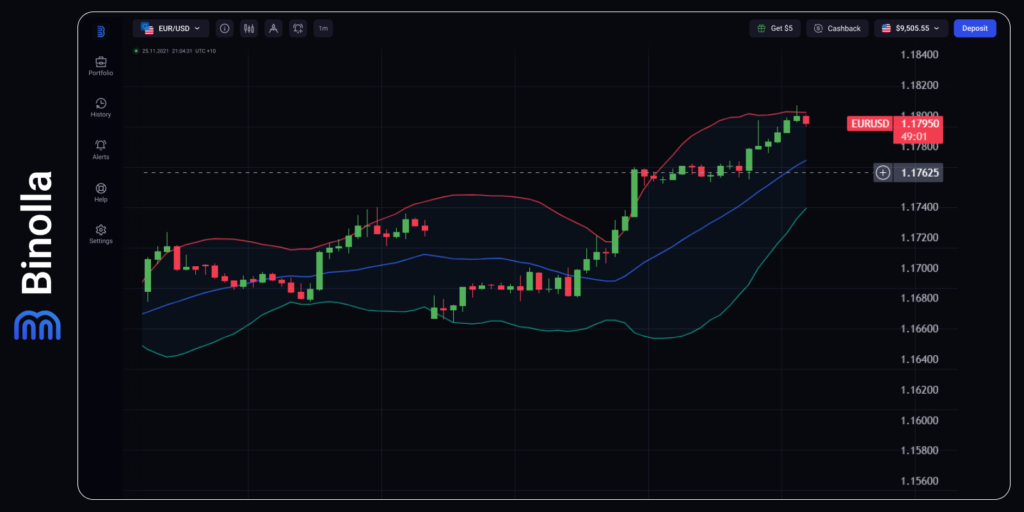
The currency pair remains under pressure amid geopolitical uncertainty and a deteriorating economic outlook. However, the lack of support for the US dollar allows the euro to move higher. Moreover, the ECB is unlikely to cut rates this year, which is another positive factor for the currency pair. Positive geopolitical developments further support the currency pair.

Use These Ideas to Trade with Binolla!
Join our reliable brokerage and benefire from market shifts
Start NowWhat to watch this week? The upcoming deadline raises the stakes. If another round of negotiations between the US and Iran takes place this week, it may further support the currency pair.
From a technical analysis perspective, the currency pair is trading close to the upper band of the Bollinger Bands indicator. Buyers can engage above 1.1800, targeting 1.1850 and 1.1900. On the downside, sellers can step in below 1.1790, targeting 1.1700.
GBP/USD: Pound Trapped Between Stagnant Growth and Rising Energy Costs
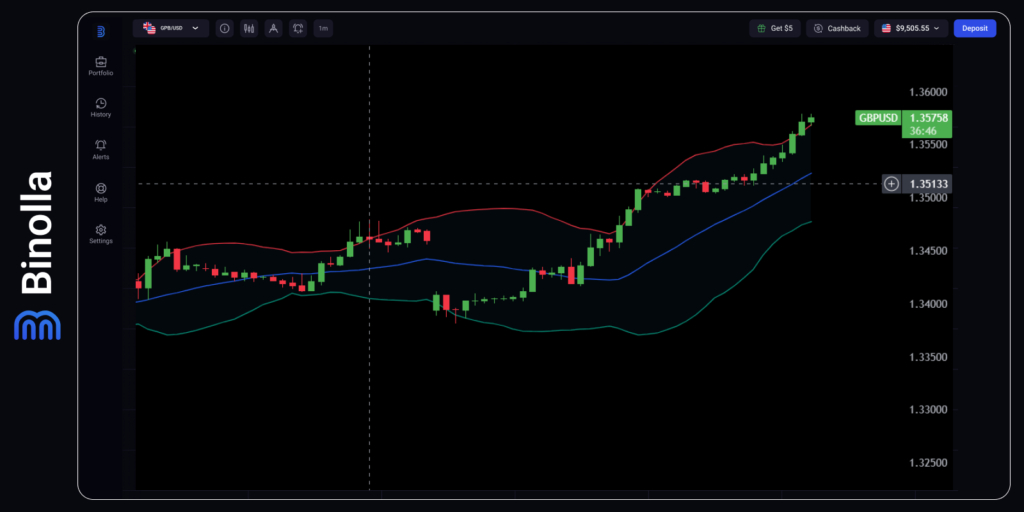
The British pound makes its way higher amid a complex geopolitical situation. The economic growth in the UK almost stopped. Normally, this could push the Bank of England to cut rates. However, in terms of inflationary pressure, the central bank may refrain from easing the monetary policy. The UK is sensitive to energy costs, and with physical oil prices rising, the pressure on households and businesses may even intensify. Stagflationary risks make it difficult for the Bank of England to make the next move. However, this week all eyes are on the probability of another round of negotiations between the US and Iran.
From a technical analysis perspective, the currency pair is moving higher and testing the upper band of the Bollinger Bands indicator. Buyers can step in above 1.3600 targeting 1.3700, while sellers can engage below 1.3580 targeting 1.3500.
WTI Crude Oil: Supply Risks Keep Prices Elevated Despite Temporary Relief
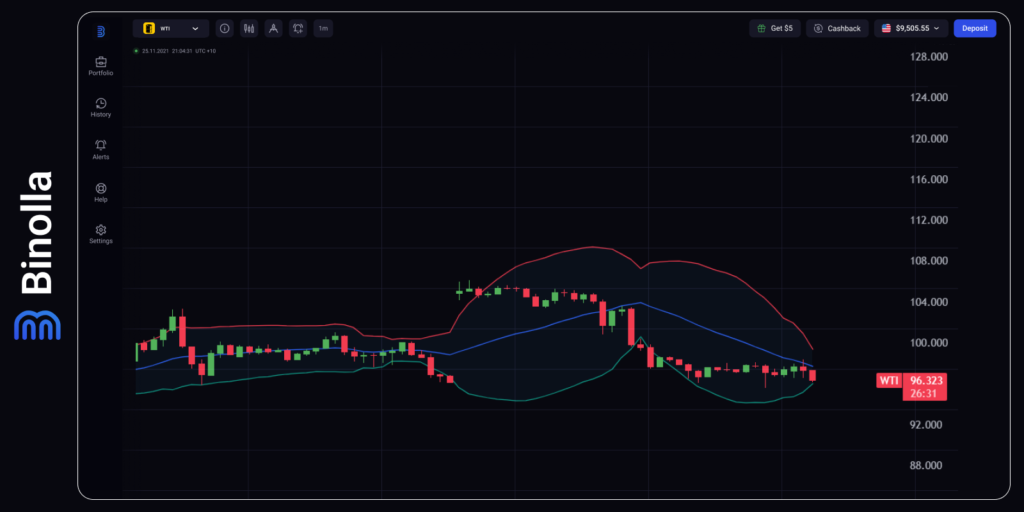
Oil is still getting support from fears of disruptions. While the negotiations between the conflicting sides put additional pressure on the crude, the blockade of the Strait of Hormuz by Donald Trump as well as possible oil shortages related to destroyed infrastructure, may provide additional support to the prices. If is also worth mentioning a wide gap between futures and physical oil prices, which is above $50 per barrel.
From a technical analysis perspective, oil is trading close to the lower band of the Bolinger Bands indicator with the bands being narrow. The volatility is very low currently, but the situation may change drastically if any news appear. Traders can buy above 98.80, targeting 100 and 105. Sellers can step in below 98.50 targetin 95.00.
Gold: Safe-Haven Demand Meets Strong Dollar
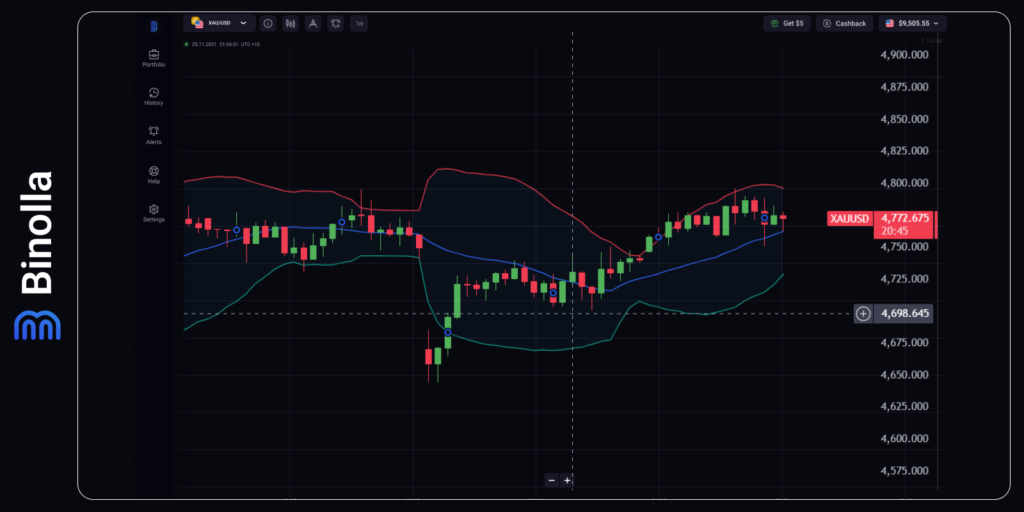
Gold remains below 5,000 amid geopolitical tensions and demand for the USD. The failure of talks and the threat of the US naval blockade should support gold as a safe-haven asset. However, stronger demand for US treasuries puts pressure on the precious metal.
From a technical analysis view, gold is trading close to the middle line of the Bollinger Bands indicator. Buyers can step in above 4,800, targeting 4,840 and 4,880. Sellers can engage below 4,760, targeting 4,740 and 4,720.