Trump Hits Headlines Again: Geopolitics Together with Macroeconomics Will Impact the Markets This Week
Renewed geopolitical activity of the US President is forming the current news agenda. After the capture of the Venezuelan president and hints at some more active steps related to Greenland, Donald Trump initiated an investigation against the Fed Chair Jerome Powell related to renovation of the Fed headquarters costs. Market participants are closely watching how these steps, together with the new rhetoric from Washington, will affect various assets.
Accusations of the Fed Chair reignited debates around central bank independence and, thus, put pressure on the American dollar. Any political pressure on monetary policy is likely to increase volatility and weaken confidence, which may spur demand for gold and other safe-haven assets.
On the macroeconomic front, the latest US labor market data was mixed, with the unemployment rate decreasing and non-farm employment being released below expectations. According to FOMC officials, employment in the US is stable, but new jobs are mostly created in the farm and AI sectors.
The US CPI data will be released today. Analysts expect yearly inflation to remain at 2.7%, which is below 3.0%, but still allows the Fed to stick to its cautious wait-and-see approach. Expectations that the FOMC will cut rates at its January meeting are low (below 10% according to FedWatch Tool).
Contents
EUR/USD: Geopolitics Puts Pressure on EUR
Latest geopolitical developments prevent the Euro from getting higher. The European Central Bank is likely to avoid cutting rates until late 2026. However, this long-term supportive factor does not favor EUR/USD due to geopolitical instability and volatility.
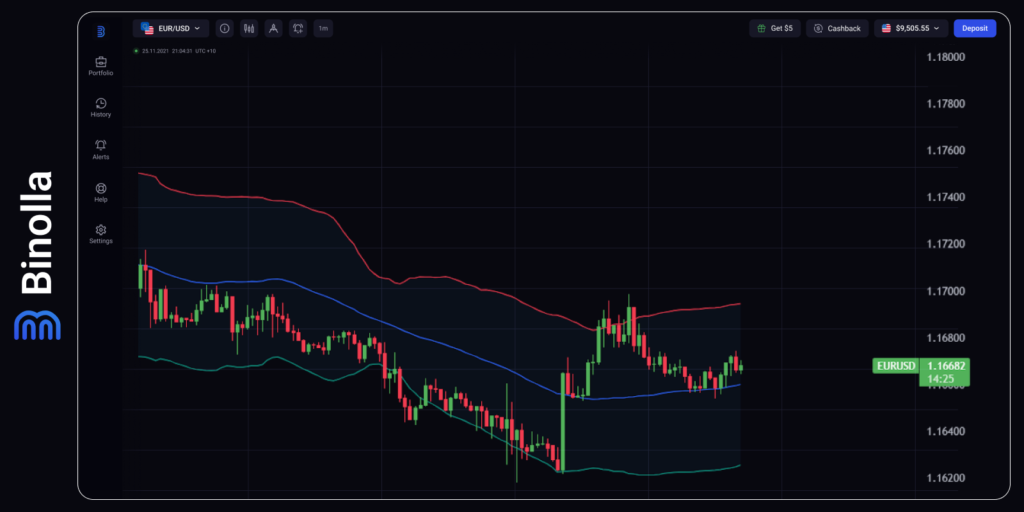
On the technical analysis front, the currency pair is trading close to the middle line of the Bollinger Bands indicator, with the bands having no direction at the moment. Traders can buy EUR/USD above 1.1670, targeting 1.1700 and 1.1740. On the downside, EUR/USD is likely to develop a downtrend below the middle band of the Bollinger Bands indicator, targeting 1.1620.

See the Trends, Take Action!
Don’t just read the market—trade it! Start trading with Binolla today.
Start TradingGBP/USD: British Pound Benefits from Restrictive Policy
While the British currency is under pressure against the US dollar, some support comes from a more restrictive policy by the Bank of England, which is likely to remain unchanged due to higher inflation figures. Traders should also watch US data as it may shed light on future price fluctuations.
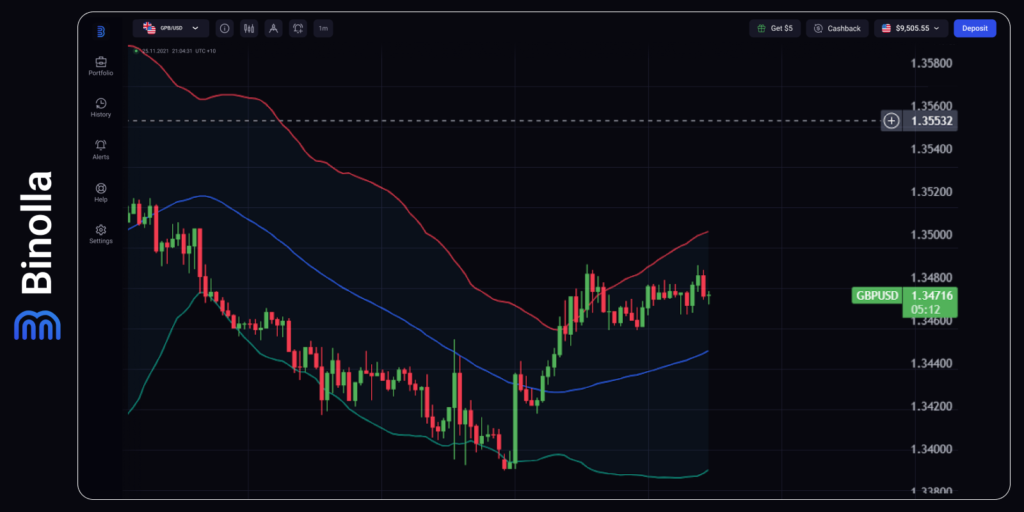
From a technical analysis perspective, the currency pair is trading between the upper and middle band of the Bollinger Bands indicator with the bands widening, which means increasing volatility. Traders can by at 1.3480 targeting 1.3550. Targets below lie at 1.3430 and 1.3390.
WTI Crude Oil: The Commodity is Getting Support from Geopolitics
Supply concerns support crude oil prices after Donald Trump announced additional 25% tariffs on all goods from countries that maintain trade relations with Iran. Tensions in the Middle East together with the situation in Europe put oil prices higher. On the other hand, Venezuelian oil that may fill the markets in 2026 will balance the prices.
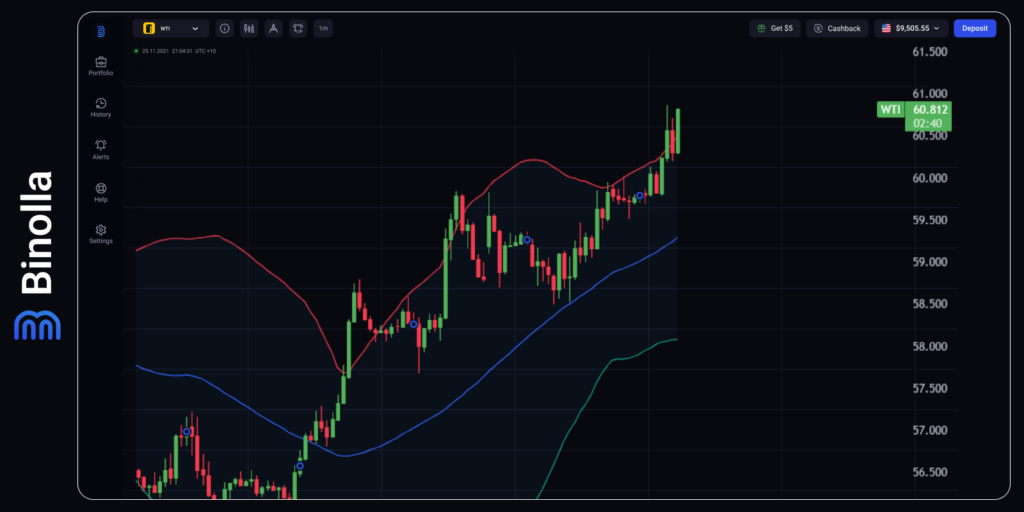
From a technical analysis perspective, oil is trading above the upper band of the Bollinger Bands indicator. Both bands are directed upside down, which confirms the uptrend. Traders can buy from current levels targeting 61.00 and 61.50. On the downside, traders can sell from 59.30, targeting 58.00.
Gold: XAU/USD Is Supported by Geopolitical Tensions
Gold is correcting after having a strong upside on geopolitical tensions. The current situation with Iran, Venezuela, and claims of Greenland by Donald Trump boost volatility and support safe-haven assets. This means that gold is likely to resume its upside after this period of consolidation. Moreover, gold is also supported by the pressure that comes from the White House over the Fed, which, makes the US dollar weaker.
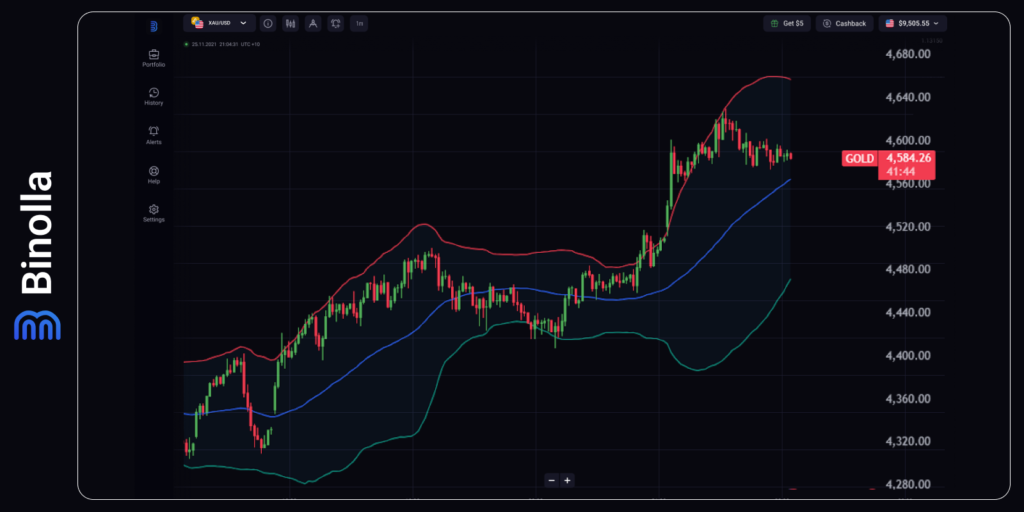
From the technical analysis perspective, gold is trading above the middle band of the Bollinger Bands indicator. The bands are narrow, which means that the volatility is decreasing. However, the directional movement may resume at any moment. Traders can buy above 4600 targeting 4640 and 4680. On the downside, traders can sell from 4570 targeting 4540 and 4500.