The Christmas Week: What to Expect from Financial Markets

US markets begin the Christmas week with calm setups. Trading volumes may thin significantly as markets will close in the middle of the week, which means that risks of exaggerated moves increase. The US GDP data, durable goods, and consumer confidence are likely to add volatility and may influence future Federal Reserve decisions.
In Europe, the focus will be on growth perspectives as well as ECB outlooks. The EUR is likely to trade cautiously in absense of important macroeconomic data. Market participants do not expect the central bank to cut rates until late 2026, but in case of any changes in the current data structure, policymakers may change their decisions.
In the UK, the recent data puts additional pressure on the British pound as concerns over domestic demand are growing.
Oil markets enter the Christmas week sensitive to geopolitical events and supply risks. Recent tensions between the US and Venezuela, as well as the situation in Europe, may support quotes, while Chinese data and concerns over global economic growth put pressure on oil.
Gold benefits from geopolitical tensions and is likely to continue its upside movements this week. The precious metal is also supported by expectations of rate cuts by the Fed, which may stimulate inflation growth.
Contents
EUR/USD: ECB Stability May Support EUR/USD This Week
The EUR/USD currency pair is supported by expectations of a more hawkish stance of the European Central Bank. Market participants do not expect the first rate cut by the ECB until the end of 2026. This helps the currency pair to stay at local highs.
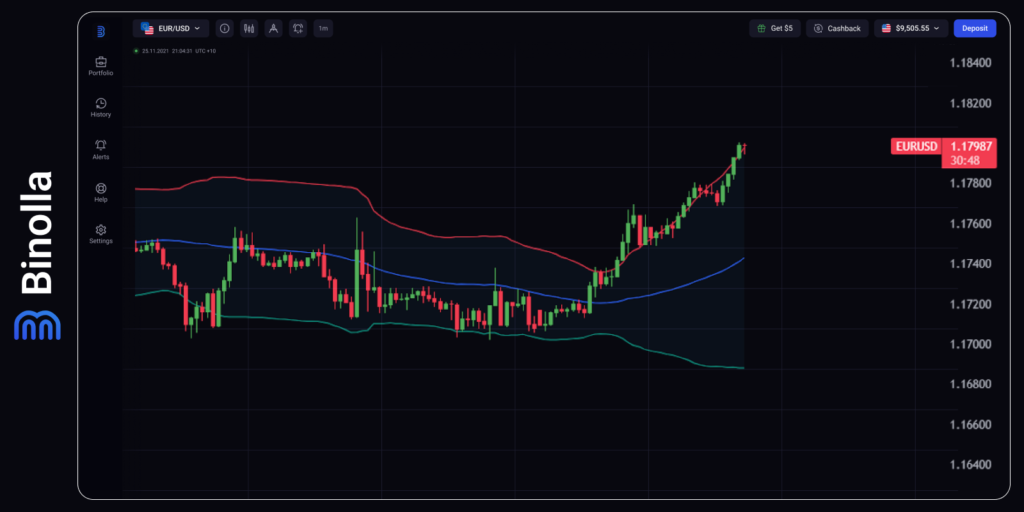
From the technical analysis perspective, the currency pair is traded at the upper band of the Bollinger Bands indicator. On the upside, traders can buy the currency pair above 1.1800, targeting 1.1870. On the downside, market participants can sell below 1.1770 targeting 1.1700.
GBP/USD: BoE Uncertainty Weighs on Sterling
The currency pair remains under pressure due to the BoE uncertainty. Dovish expectations weigh on the currency pair. However, the US dollar loses momentum as the Fed is expected to cut rates at least twice in 2026. While comments from some FOMC members remain hawkish, the US dollar is likely to be pressured in the short term.
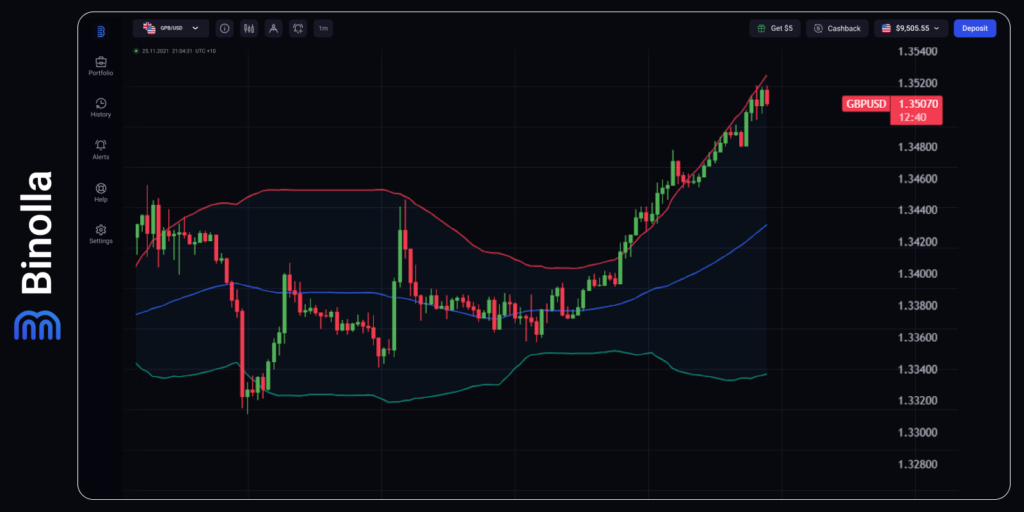
From a technical analysis perspective, the currency pair is trading close to the upper band of the Bollinger Bands indicator. Traders can purchase GBP/USD if it breaks above 1.3530. Targets should be set at 1.3600. On the downside, short positions will be preferable below 1.3470, targeting 1.3400.
WTI: Oil Caught Between Growth Concerns and Supply Risks
Crude oil prices find support from geopolitical tensions between the US and Venezuela. Moreover, the situation in Europe puts pressure on quotes as well. On the other hand, fears of global economic slowdown puts pressure on black gold. Moreover, expectations of supply increase may also have negative impact on oil.
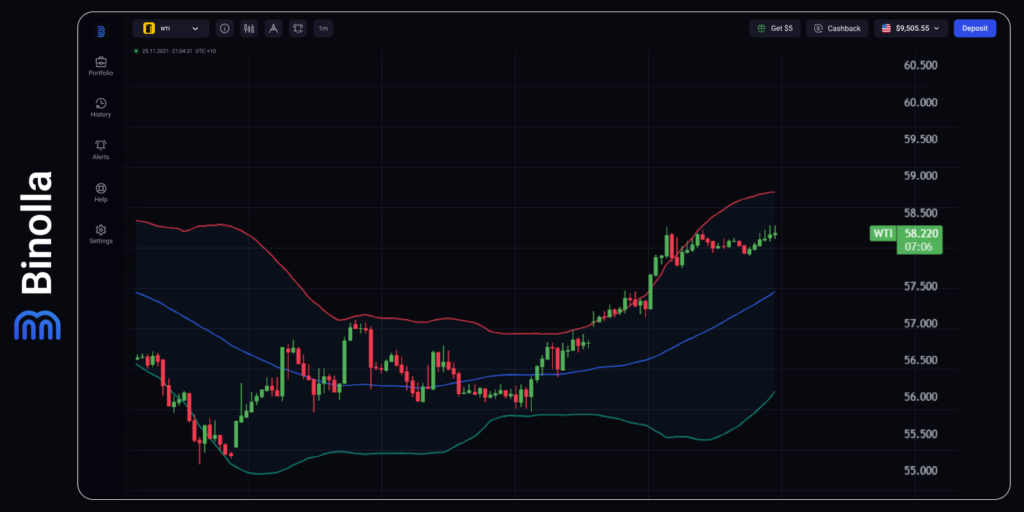
From a technical analysis perspective, oil is trading below the upper band of the Bollinger Bands indicator. On the upside, traders can buy WTI above 58.30, targeting 59.00-60.00. On the downside, traders can sell from 57.9,0 targeting 57.00-56.50.
XAU/USD: Safe-Haven Demand Supported by Dovish Expectations
Gold continues to benefit from expectations that the Federal Reserve will shift toward a more accommodative stance in the coming years. While official guidance points to limited rate cuts, markets are pricing in a more aggressive easing cycle, which weighs on the U.S. dollar and supports non-yielding assets like gold. Combined with ongoing inflation concerns and geopolitical uncertainty, this backdrop keeps gold attractive as a defensive asset.
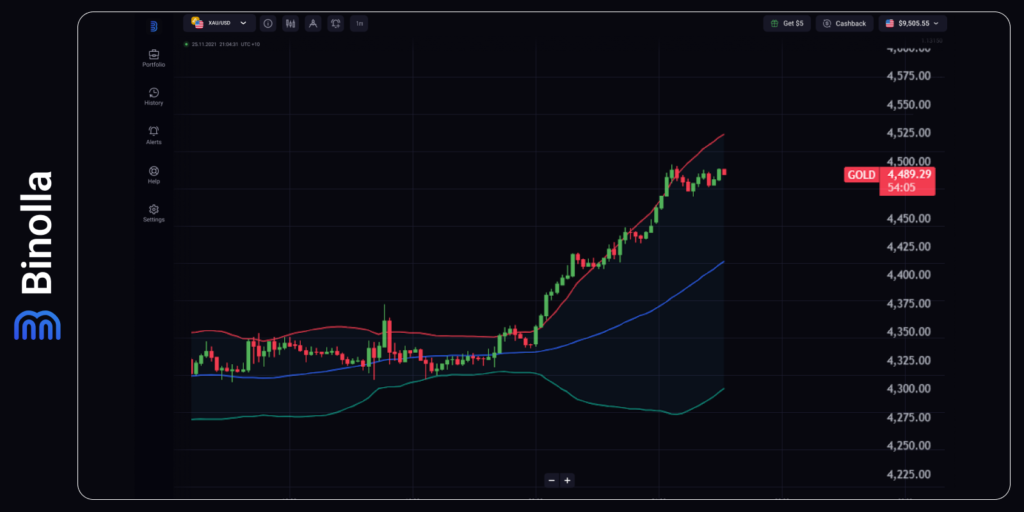
XAU/USD is trading close to the upper band of the Bollinger Bands indicator. On the upside, you can consider buying Gold above 4,500, targeting 4,550. On the downside, short positions will be preferable below 4,470, with targets at 4,420.