Markets at a Crossroads: Central Bank Signals, Political Pressure, and Shifting Global Expectations

Financial markets will focus this week on a set of data from the US as well as other countries. Expectations remain that central banks will adapt their policies accordingly. The announcement of the candidate for the Fed Chair position last week supported the US dollar, as Kevin Walsh is famous for supporting a more disciplined approach to monetary policy easing and sticking to hawkish views.
The labor market data last week demonstrated that the situation in the US is under control, and the Fed is not required to act immediately. However, only part of the data was released due to a short-term shutdown. The rest, including non-farm payrolls, will be released tomorrow. According to forecasts, the unemployment rate is likely to remain intact at 4.4%, while NFP figures may slightly increase from 50,000 to 70,000.
Across the Atlantic, the economic momentum remains fragile as Europe continues to show signs of stagnation, while easing inflation offers limited relief. Tighter monetary conditions prevent the European economy from further growth, while geopolitical instability puts even higher pressure on the EUR, GBP, and other risky assets.
Commodities react to broader macroeconomic and geopolitical events. While gold and other precious metals are supported by safe-haven demand, energy is under pressure, but remains balanced due to fears of supply interruptions.
Contents
EUR/USD: The Currency Pair Is Supported By the ECB Hawkish Stance
The currency pair sticks to its local highs despite ongoing political tensions. Traders and investors are focused on the forward guidance from the ECB, which remains hawkish due to higher inflation levels. According to some officials from the European Central Bank, they are not considering any further rate cuts until inflation is stable and within the target range.
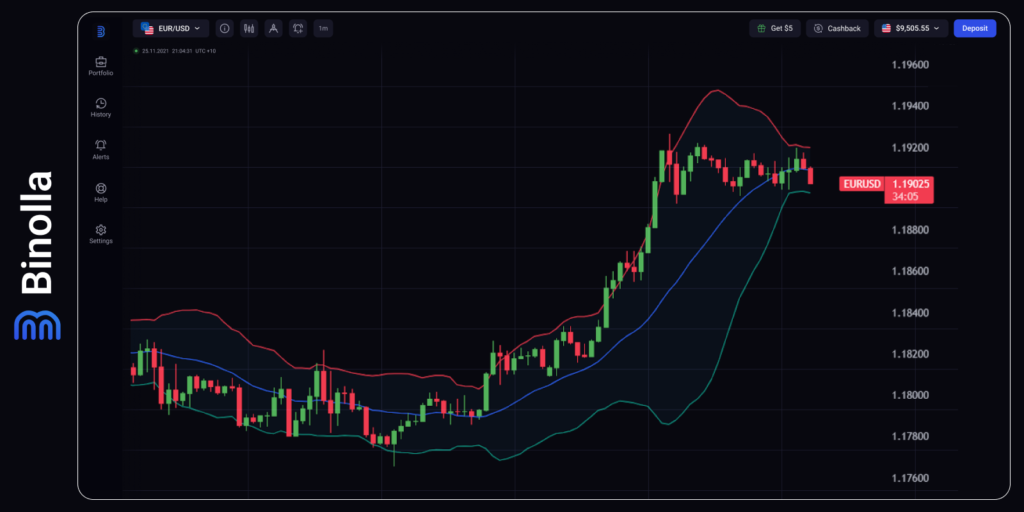
From a technical analysis perspective, the currency pair is close to its local highs and within the Bollinger Bands indicator. The indicator itself is tight, signalling low volatility at the moment. Traders can go long above 1.1920 targeting 1.1960-1.2000. On the downside, market participants can sell from 1.1900 targeting 1.1870-1.1830.
GBP/USD: The British Pound Is Pressured By Politics and Economics
Geopolitical instability, as well as threats from the US to impose new tariffs, put pressure on the British currency. Such conditions affect global risk sentiment and remove demand from risky assets, including GBP. However, the Bank of England remains hawkish amid higher inflation, which helps the pound to remain resilient. Financial market participants will closely monitor geopolitical scope together with domestic economic dynamics.
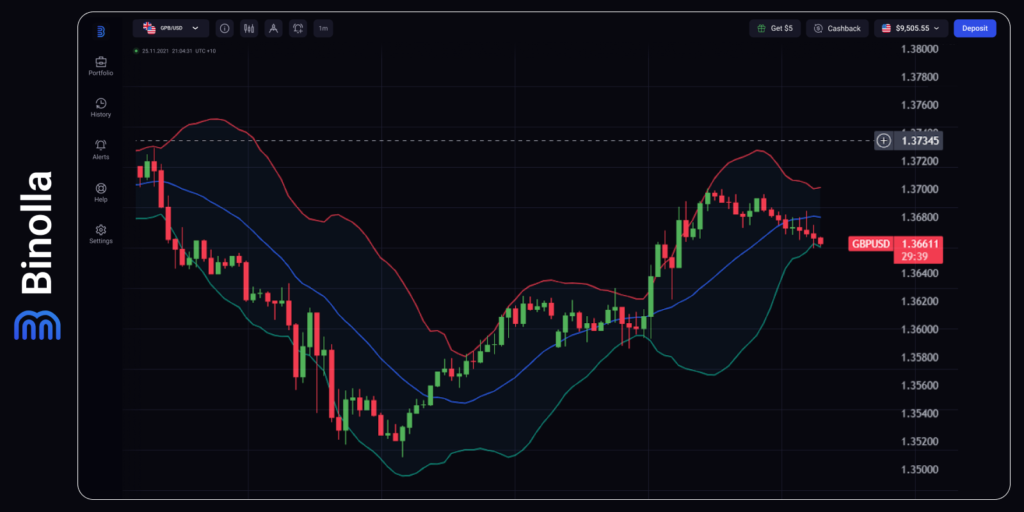
Looking at charts, GBP/USD is trading close to its local highs within tight Bollinger Bands, which means that the volatility is at its lowest. The price is testing the lower band and if a breakout occurs, traders can sell from current levels targeting 1.3620 and 1.3550. On the upside, traders can buy above 1.3690, targeting 1.3750 and 1.3800.

Use Your Trading Ideas with Binolla!
Join Binolla right now and start trading with a reliable brokerage
Start nowWTI: Crude Oil Is Pressured By Global Risks
WTI remains in uncertainty due to a series of facts. First, fears of a new cycle of trade wars could put pressure on the global economy and, thus, slow down growth, which will decrease demand over time. Second, geopolitical tensions in Iran and Latin American supports WTI as supply disruptions may increase oil prices. Investors are watching production closely levels and stockpile data to find cues about future oile price movements.
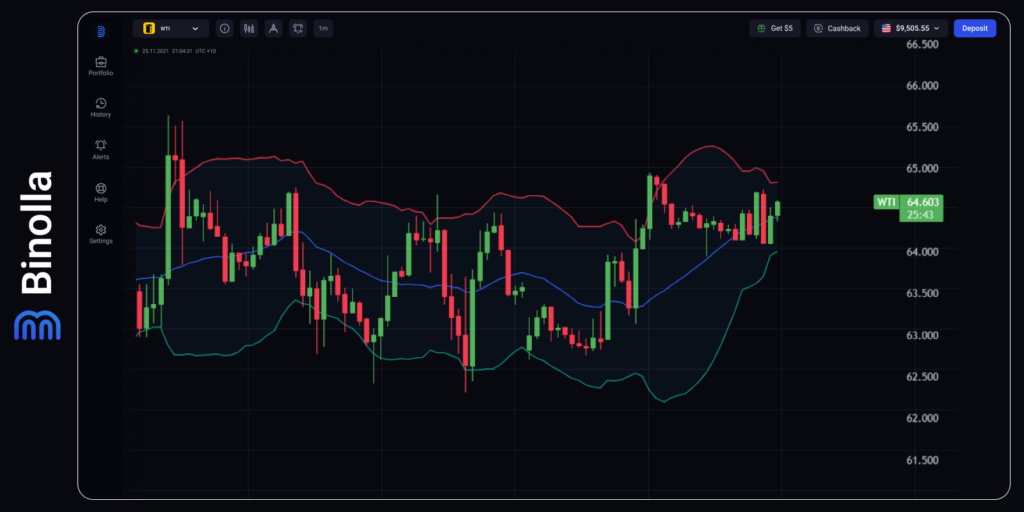
From a technical analysis perspective, oil is trading close to local highs, testing the upper band of the Bollinger Bands indicator. Similar to other assets, the volatility is low as bands are narrow, suggesting that a breakout may lead to some significant price shifts. On the upside, traders can buy from 65 targeting 66.00 and 66.50. On the downside, sellers can engage if the price breaks below 64.00, targeting 62.60.
XAU/USD: Gold Remains Close to Its All-Time Highs
The precious metal remains supported by geopolitical and economic instability showing signs of further uptrend development as soon as thing get out of control. Moreover, gold may continue to rise if the Fed shows some signs of the upcoming monetary policy easing.
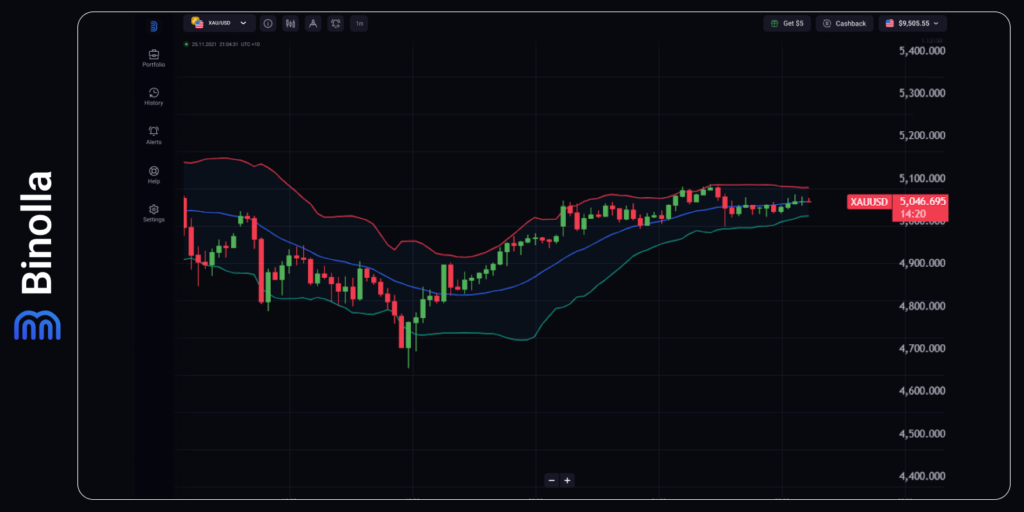
From a technical analysis perspective, XAU/USD is trading within Bollinger Bands, with the indicator’s line being narrow. Buyers can step up if the price breaks above 5,100 targeting 5,140 and 5,160. On the downside, traders can sell from 5,000 targeting 4,980 and 4,940.