Geopolitical Storm Hits Wall Street: Oil Surges, Rate Bets Shift
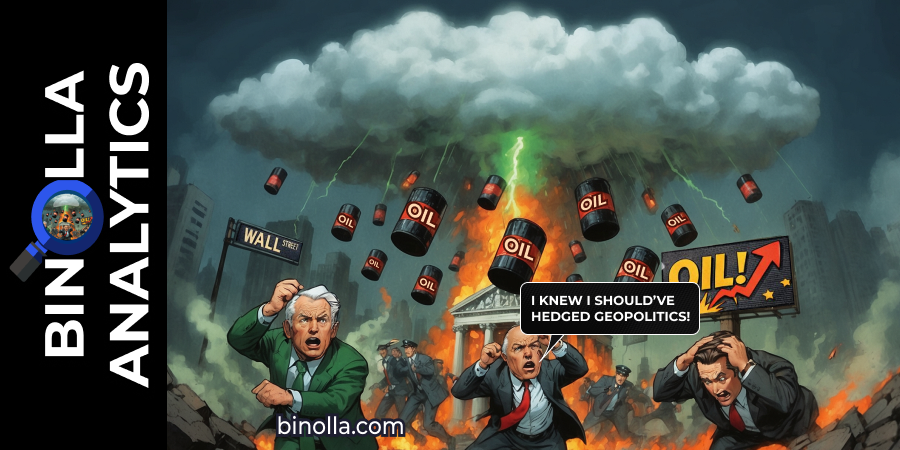
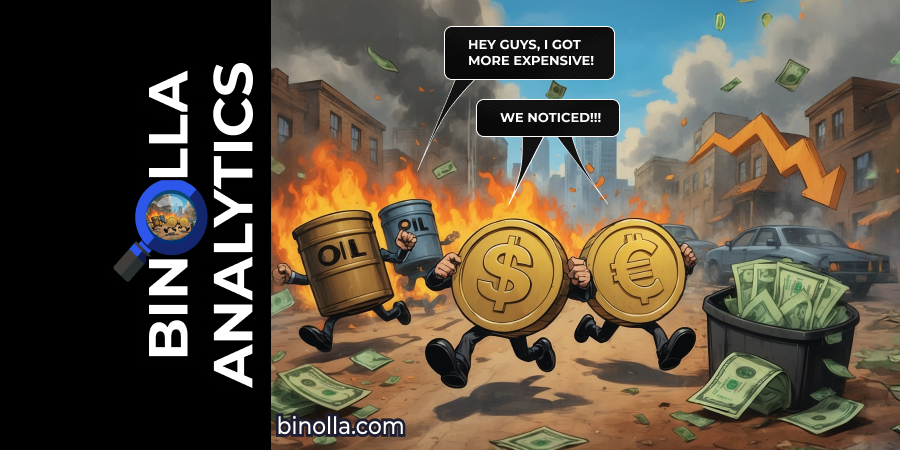
Global markets remain on edge amid the developing tensions between the US and Iran. This became a powerful driver for volatility, boosting energy prices and gold and exerting pressure on risky assets. The supply shock in the region can lead to longer uptrends in oil prices.
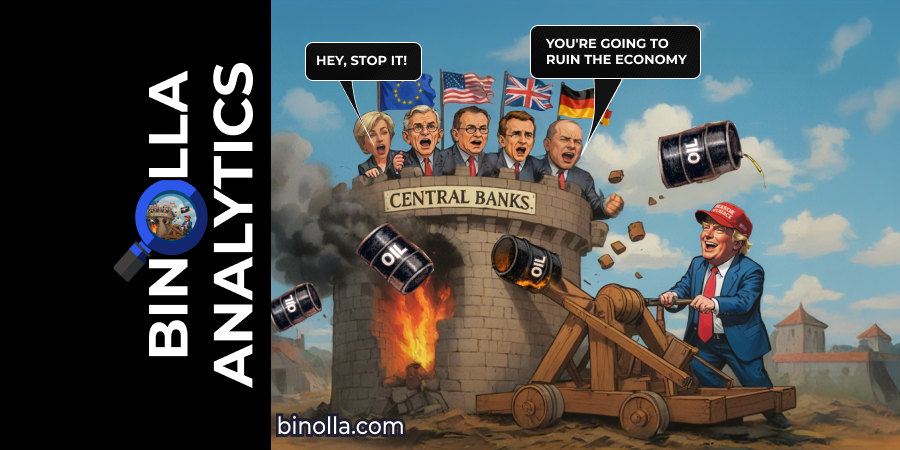
The US has launched a coordinated military operation against Iran and killed its Supreme Leader, which has dramatically raised the stakes in the volatile region. Iran strikes back and blocks the Strait of Hormuz, which poses risks to supply chains. OPEC+ confirmed it will increase output starting from April. However, a sustained price strike remains.
The US manufacturing data was better than expected on Monday. The index reached 52.4 in February, while markets expected the manufacturing PMI ISM to plunge to 51.7. The manufacturing index remains in an expansionary zone as it stays above 50.
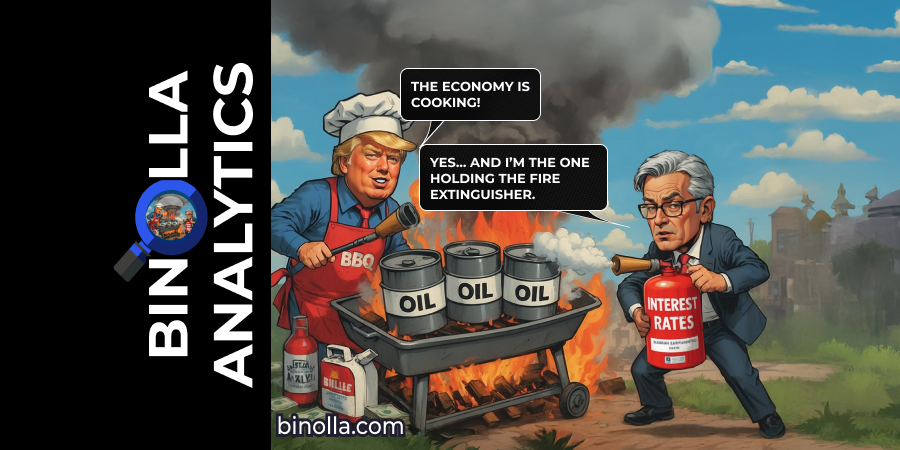
The Fed focuses on the inflation data. Inflation pressures build up, which prevents the FOMC from cutting rates during the upcoming meeting. Moreover, some Fed members say that they will vote for a rate hike if inflation pressure remains. Across the Atlantic, the ECB is watching inflation as well. The CPI data in the Eurozone reached 2.4% YoY, which also prevents the European Central Bank from switching to another cycle or rate cut. According to the ECB president Lagarde, the central bank will stick to a wait-and-see approach.
The US labor market data will be in focus this week. According to forecasts, the unemployment rate in the US is expected to stay at 4.3%, while the non-farm employment rate may decrease to 58K from 130K. Weak labor market numbers may put pressure on the US dollar, but the currency is likely to be supported by the ongoing conflict in the Middle East.
Contents
- 1 EUR/USD: Geopolitical Risks Weigh on the Euro
- 2 GBP/USD: Dovish BoE Expectations and Geopolitical Headwinds Weigh on Sterling
- 3 Trade the Geopolitical Storm
- 4 WTI Crude Oil: Strait of Hormuz Closure Fuels Supply Fears, OPEC+ Adds Modest Relief
- 5 Gold (XAU/USD): Safe-Haven Demand vs. Dollar Strength Creates Two-Way Pressure
EUR/USD: Geopolitical Risks Weigh on the Euro
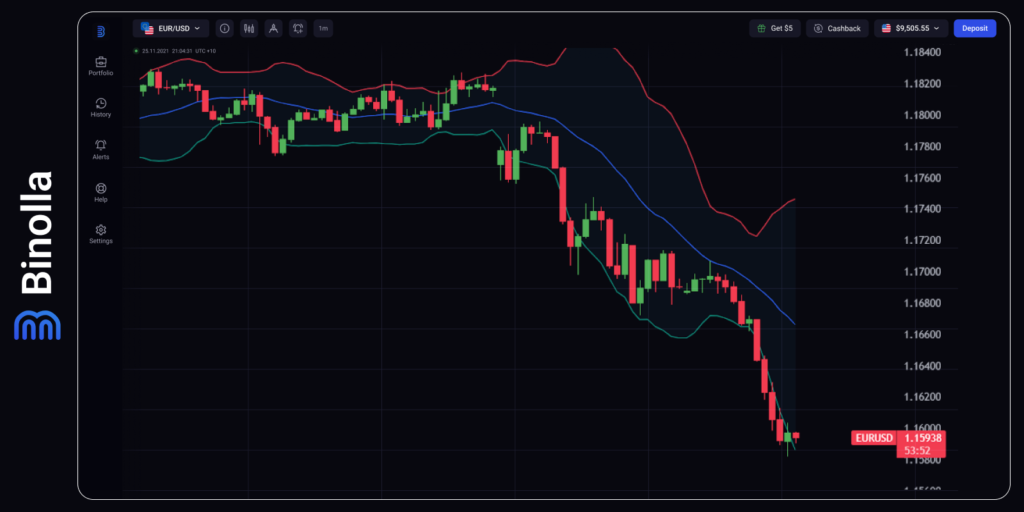
The currency pair remains under pressure amid the escalation of the US-Iran conflict, which fuels safe-haven demand and supports the US dollar. While the ECB remains defensive, geopolitics plays the key role this week as traders price in the negative scenario and the consequences. The latest inflation data in the Eurozone provides some support to the European currency, but it is not enough to break the panic sell-off.
From a technical analysis view, the currency pair is trading below the Bollinger Bands’ lower band, showing a strong downside movement in place. Traders can sell from 1.1580, targeting 1.1500 and 1.1450. On the upside, buyers can engage from 1.1610 targeting 1.1650 and 1.1670.
GBP/USD: Dovish BoE Expectations and Geopolitical Headwinds Weigh on Sterling
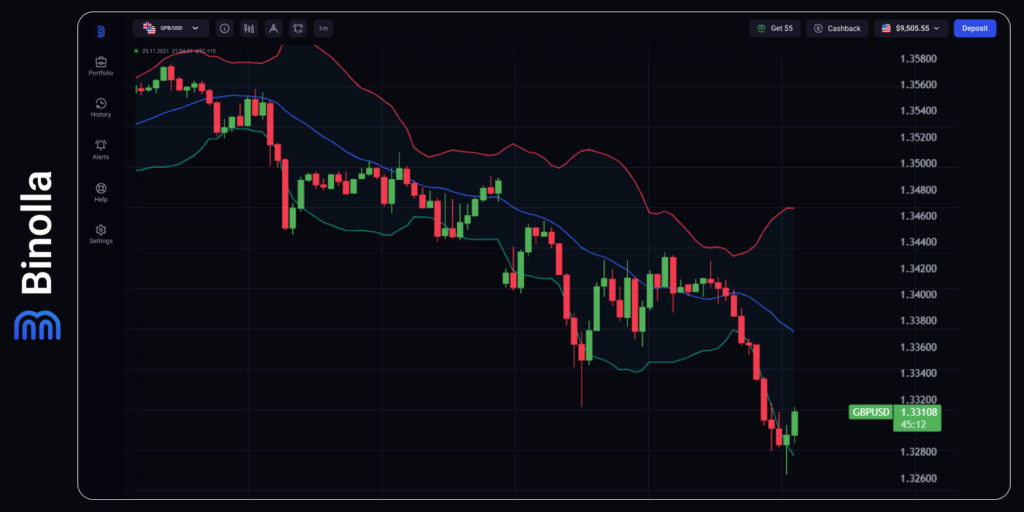
The pound is under double pressure coming from geopolitics and weak GDP data. Market expectations for the BoE easing signal a dovish stance as after the negative GDP data, unemployment in the country rose to 5.2%. The inflation remains sticky at 3.1%, which also poses some troubles to the Bank of England, which can’t act immediately to stimulate economic growth. The lack of economic releases from the UK puts all focus on the geopolitical situation in the Middle East.

Trade the Geopolitical Storm
Oil surges. Dollar strengthens. Gold in focus. Trade geopolitics with Binolla.
Start tradingFrom a technical analysis standpoint, the British pound stands close to the lower band of the Bollinger Bands indicator, ready to make another downside burst. Traders can sell from 1.3270 targeting 1.3200 and 1.3150. On the upside, buyers can engage at 1.3330 targeting 1.3400.
WTI Crude Oil: Strait of Hormuz Closure Fuels Supply Fears, OPEC+ Adds Modest Relief
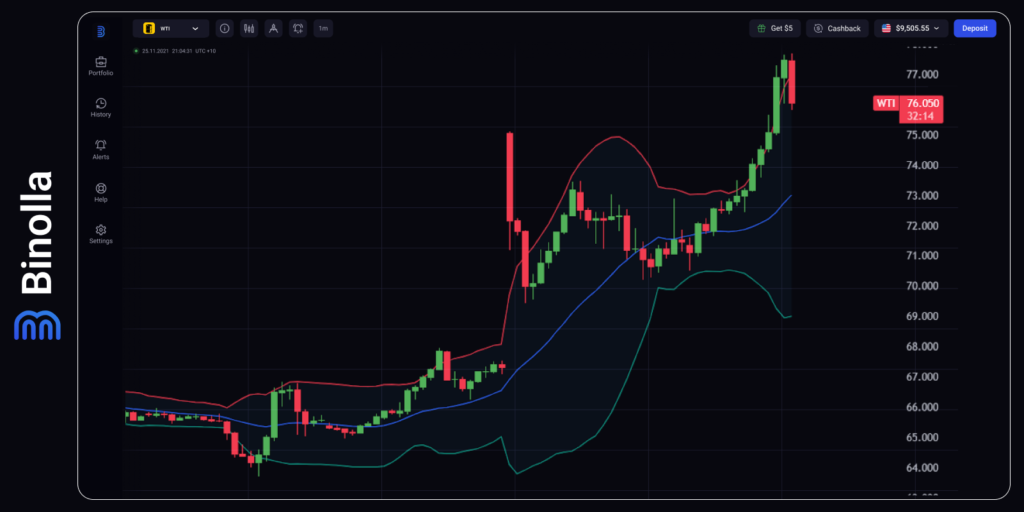
Oil gets support from risks of supply chain disruption in the Middle East amid the ongoing conflict between the US and Iran. The Iranian side vowed to strike any vessel that tries to pass the Strait. Sides exchange missile strikes, and the US president promised to intensify the operation. OPEC+ is ready to increase output in April, but if the Strait of Hormuz is blocked, this will make little difference, as countries will not be able to transport oil from facilities.
From a technical analysis standpoint, oil is trading close to the upper band of the Bollinger Bands indicator with a potential of moving even higher. Traders can buy from 77.70 targeting 79.00. On the downside, traders can go short from 76.00 targeting 75.00.
Gold (XAU/USD): Safe-Haven Demand vs. Dollar Strength Creates Two-Way Pressure
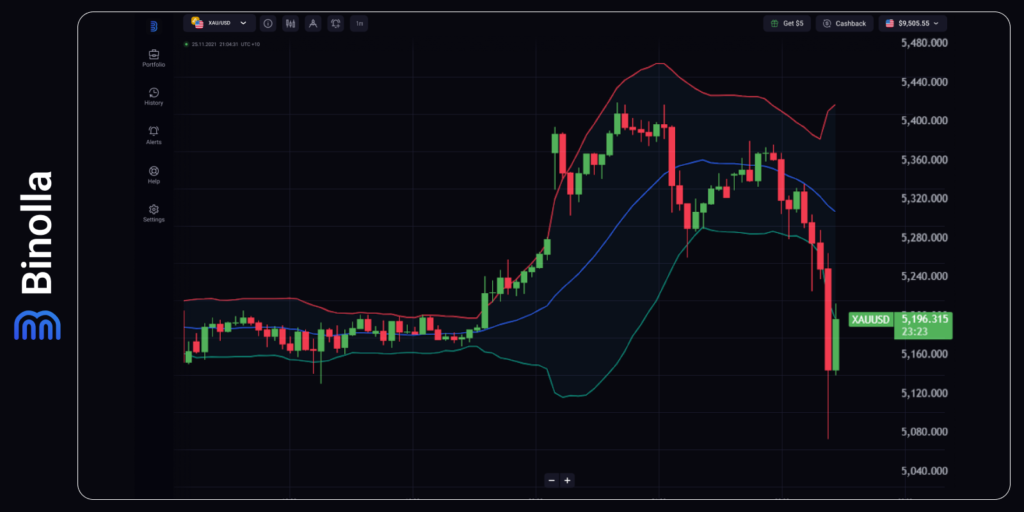
XAU/USD hourly chart
Gold had support when the active phase of the conflict began, but later moved down as a correction. However, the indecision of the Fed, as well as rumors that the central bank may even hike rates for a while to fight inflation, acts as a headwind for the asset.
From a technical analysis side, gold is trading just below the lower band of the Bollinger Bands indicator. Sellers can get in action if the price breaks below 5,140 targeting 5,100 and 5,060. On the upside, buyers can get into trades if the price passes 5,220 targeting 5,260 and 5,300.