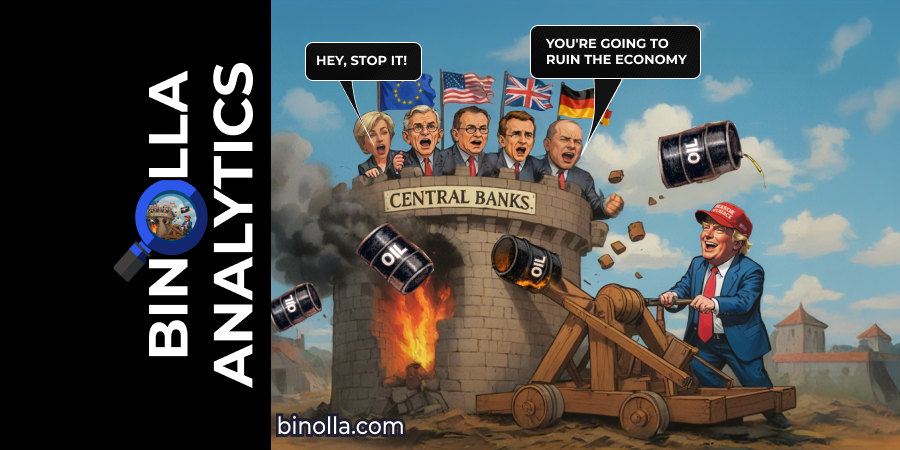
The FOMC Meeting: What to Expect from the Fed this Week
The FOMC meeting that will take place this week is among the most sensitive moments for financial markets. Investors do not expect the Fed to make any adjustments to the monetary policy. Therefore, market participants will watch comments from FOMC officials closely. After months of easing inflation, the Fed is still under pressure as the White House requires the central bank to cut rates.
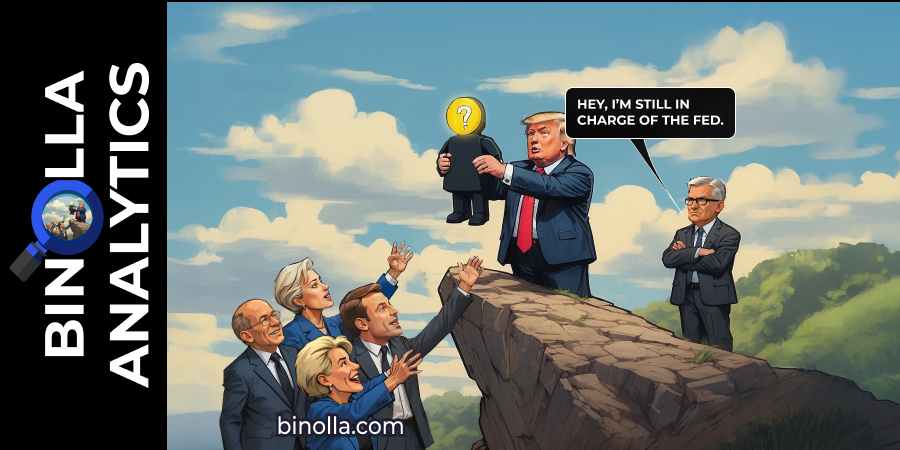
Apart from the Fed meeting, one of the key events this week is the announcement of the Fed Chair nominee who will replace Jerome Powell in May. Market participants consider this move by the US president as another round of pressure that may undermine the central bank’s independence.
Recent US economic data support the US dollar. The situation in the labor market favors higher rates, while inflation is still elevated. While the labor market shows signs of gradual cooling, it is not enough to push the Fed to accelerate its easing cycle.
On the other hand, geopolitical developments add to market uncertainty and put pressure on the US dollar. The situation around Greenland cooled off, while new threats from White House make Canada refuse a deal with China.
Economic momentum in Europe remains fragile. Inflation continues to ease, while growth is subdued. Geopolitical tensions also put pressure on the region. A more hawkish Fed stance may put additional pressure on the Eurozone’s growth.
Contents
EUR/USD: The Currency Pair Hits Local Highs
While geopolitics still weigh on EUR/USD, the currency pair is still close to its local highs on the eve of the FOMC meeting. Growing concerns about geopolitical volatility put pressure on the currency pair. However, the latest news about the agreement between the EU and India may support EUR/USD. Moreover, even though the FOMC is unlikely to cut rates until June, pressure on the US dollar is growing amid concerns of Fed independence.
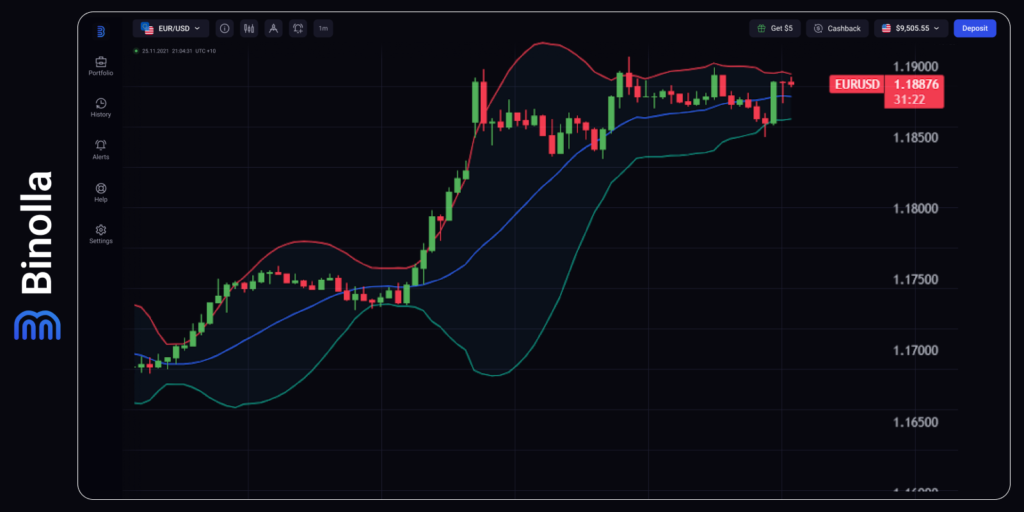
From a technical analysis standpoint, the currency pair fluctuates close to the upper band of the Bollinger Bands indicator, with the lines tightening. Traders can buy above 1.1900, targeting 1.1980 and 1.2000; the latter is the round level. On the other hand, traders can sell from 1.184,0 targeting 1.1800 and 1.1750.

Use Your Trading Ideas with Binolla!
Join the reliable brokerage and start trading right now!
Start tradingGBP/USD: The Pound Is Supported by the BoE Hawkish Stance
The British currency remains exposed to global risks as geopolitical tensions persist. US tariff discussions also affect GBP. However, unlike the EUR, GBP is strongly supported by the BoE’s hawkish stance. It contrasts with the growing uncetrainty aroud the Fed’s independence and the ability of the American central bank to maintain its current wait-and-see approach.
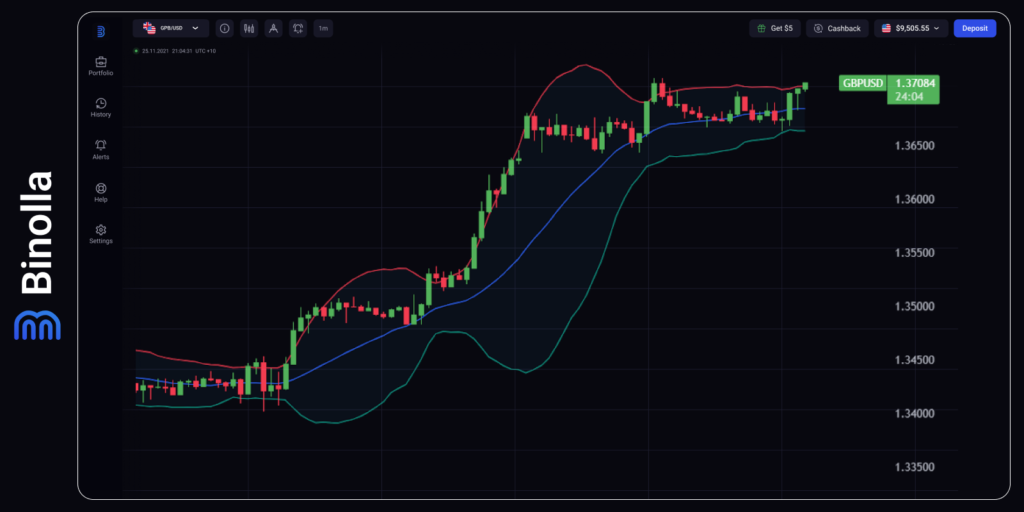
From a technical analysis perspective, the currency pair is trading close to local highs and the upper band of the Bollinger Bands indicator. Supported by fundamentals, GBP/USD can continue its upside. Traders can buy above 1.3720, targeting 1.3800. On the other hand, sellers can engage below 1.3660, targeting 1.3600 and 1.3550.
WTI: Crude Oil’s Future Remains Uncertain
WTI remains under pressure as geopolitical risks are looming. New cycle of trade wars may lead to a global cool-off. However, tensions around Iran, on the other hand, support oil prices as supply chain disruptions can arise. Markets are evaluating the output and the possibility of more oil coming from sanctioned producers. Traders remain cautious, while oil is still under pressure.
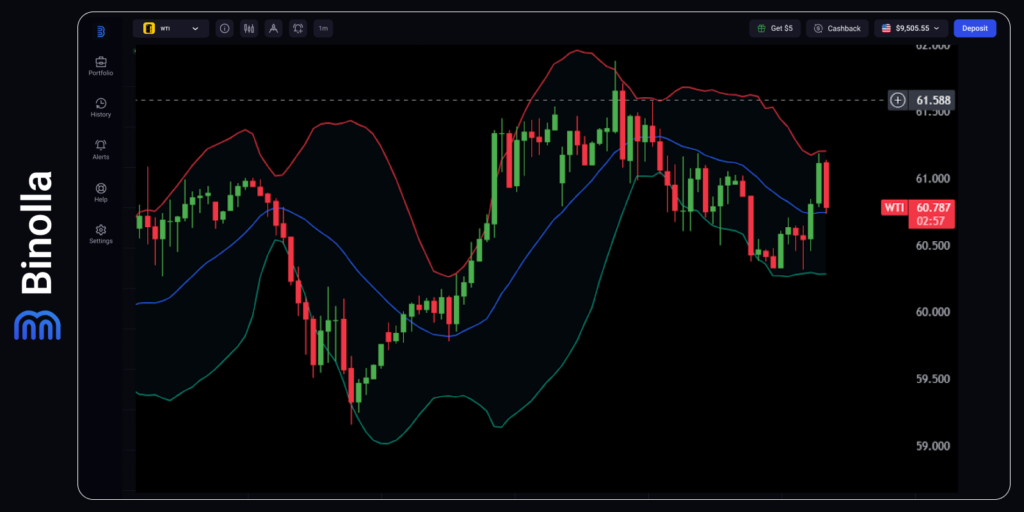
From a technical analysis perspective, oil is trading close to the upper band of the Bollinger Bands indicator. Traders can buy above 61.20, targeting 62.00 and 63.00. On the other hand, sellers can engage from 60.70 targeting 60.00 and 59.00.
XAU/USD: Gold Hits New Historical Highs on Geopolitical Tensions
Gold is trading above 5,000 amid geopolitical tensions and the pressure on the Fed from White House. Expectations of the Fed rate cut this year can support gold even more, as capital will flow from the USD and other risky assets.
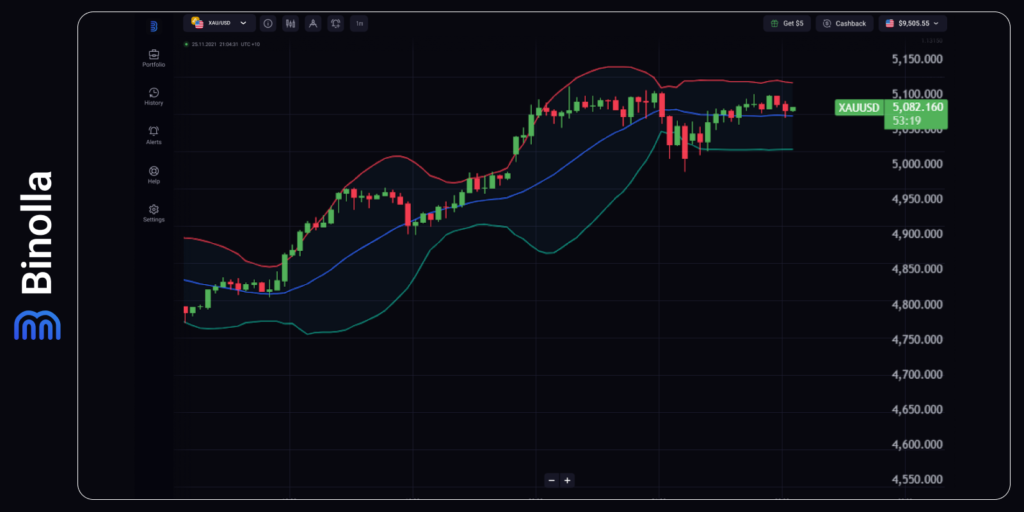
From a technical analysis perspective, gold is trading close to the middle line of the Bollinger Bands indicator and still shows upside pressure. Traders can buy above 5,100, targeting 5,140 and 5,180. On the downside, market participants can sell at 5,000, targeting 4,960 and 4,920.