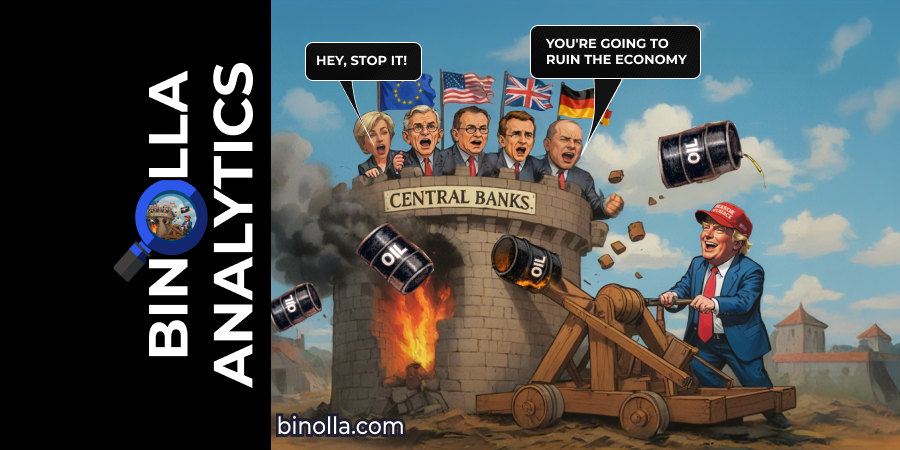
Supreme Court Ruling on Trump Tariffs Triggers Market Volatility
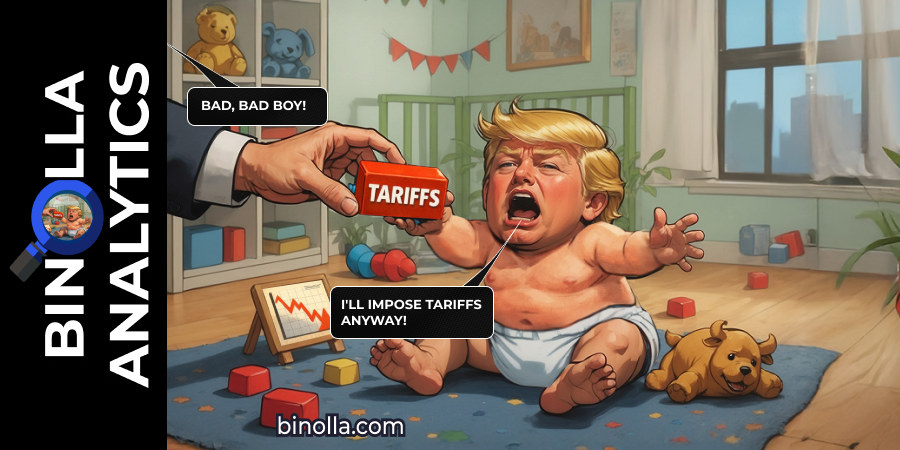
Global markets remain volatile after the US Supreme Court blocked Trump tariffs on Friday. While it boosted investors’ confidence at the beginning, the US president accounced 15% import tariffs to replace those abolished by the Supreme Court, which resulted in higher market volatility.
The latest US GDP data showed some slowdown in the fourth quarter of 2025 due to a historically long shutdown that lasted for more than 1 month. However, inflation in the United States is still above its target mark, which prevents the Fed from taking more aggressive steps, which would support the US dollar.
According to Friday’s Core PCE index, inflation remains far above 2%, which highlights the central bank’s ongoing challenge. Services inflation, together with wage pressure, continues to limit policymakers from cutting rates. Thus, markets remain highly reactive to political and economic developments.
The PMI data, released on Friday, supported the euro and pound, with manufacturing indexes going into expansion territory and services remaining above 50. Ongoing tensions between the US and Iran support oil prices, while the possible release of Venezuelan oil may put pressure on commodities eventually.
Contents
- 1 EUR/USD: ECB Policy Stability Supports Euro, While Dollar Strength Limits Upside
- 2 Use your trading ideas with Binolla!
- 3 GBP/USD: Weak UK Growth and Policy Uncertainty Weigh on Sterling
- 4 WTI Crude Oil: Geopolitical Risk Supports Prices, While Demand Concerns Cap Gains
- 5 Gold (XAU/USD): Safe-Haven Demand Softens as Dollar Strength Dominates
EUR/USD: ECB Policy Stability Supports Euro, While Dollar Strength Limits Upside
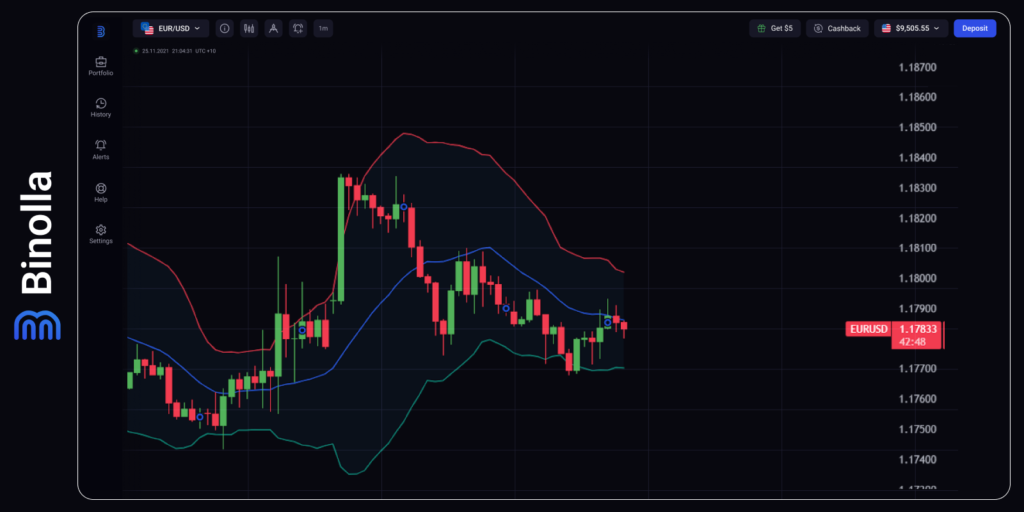
The currency pair remains under pressure due to stronger US inflation data and risk-off sentiment. While the US economy shows some signs of slowdown, elevated inflation prevents the Fed from taking aggressive steps, which supports the US dollar. New trade tensions that may arise after the US Supreme Court decision could further put pressure on risky assets. The European Central Bank, meanwhile, remains committed to its restrictive policy stance, which may support the euro over the long term.
From a technical analysis perspective, the currency pair remains below the middle line of the Bollinger Bands indicator, with the lines being close to each othe,r demonstrating tight volatility. Traders can buy from 1.1790, targeting 1.1850 and 1.1900. On the downside, traders can sell from 1,1760 targeting 1.1700 and 1.1650.

Use your trading ideas with Binolla!
Join the reliable brokerage and start trading right now!
Join nowGBP/USD: Weak UK Growth and Policy Uncertainty Weigh on Sterling
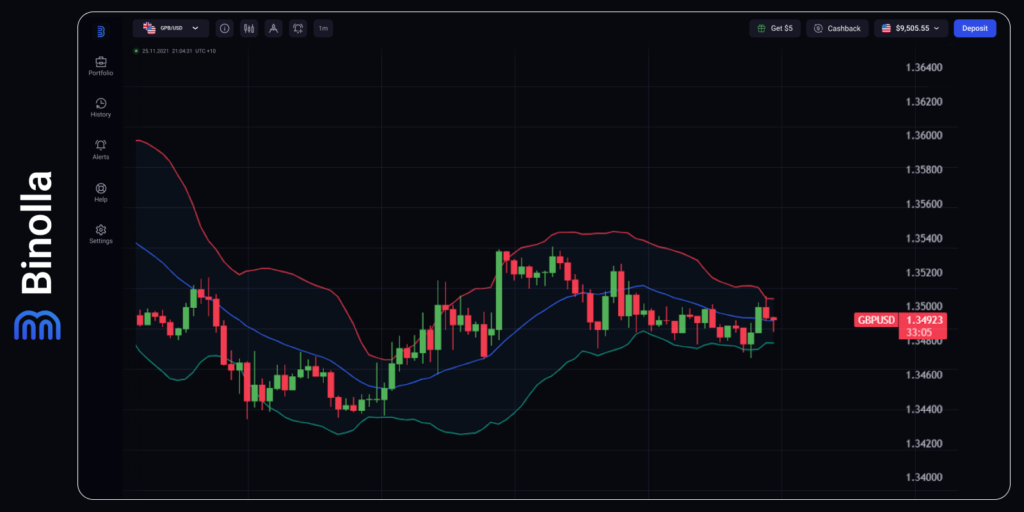
The British pound remains under pressure amid recent UK GDP data, which shows that the economy is slowing down and underlines the risks of stagnation. Consumer demand continues to decrease while business investments remain subdued. However, inflation remains above BoE targets, which prevents the central bank from reacting instantaneously to the worsening data releases. Global trade risks related to the recent Trump comments put additional pressure on the pound.
From a technical analysis view, the currency pair is trading within a tight range on Tuesday as the volatility remains low. Traders can buy above 1.3500, targeting 1.3570 or even 1.3600. On the downside, traders can sell from 1.3470 targeting 1.3400.
WTI Crude Oil: Geopolitical Risk Supports Prices, While Demand Concerns Cap Gains
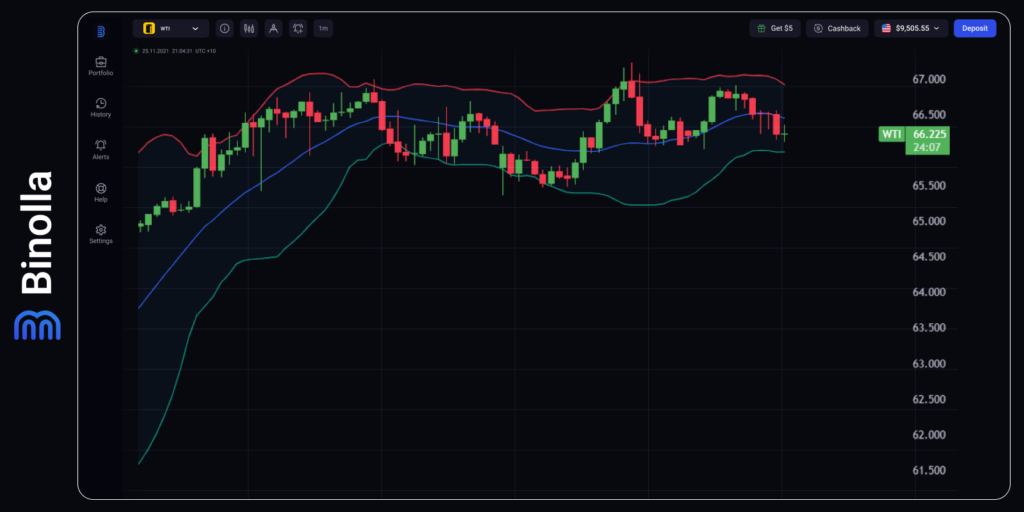
Oil is supported by geopolitical tensions between the US and Iran. Fears of de-escalation and oil supply disruptions provide support to the asset. However, diplomatic efforts aimed at reducing tensions, together with the OPEC+ possible output hike, can put pressure on the commodity.
From a technical analysis perspective, crude oil is trading close to the lower band of the Bollinger Bands indicator with bands being narrow, which suggests lower volatility. Traders can buy from 66.50 targeting 67.00 and 68.00. On the downside, traders can sell from 66.00 targeting 65.00.
Gold (XAU/USD): Safe-Haven Demand Softens as Dollar Strength Dominates
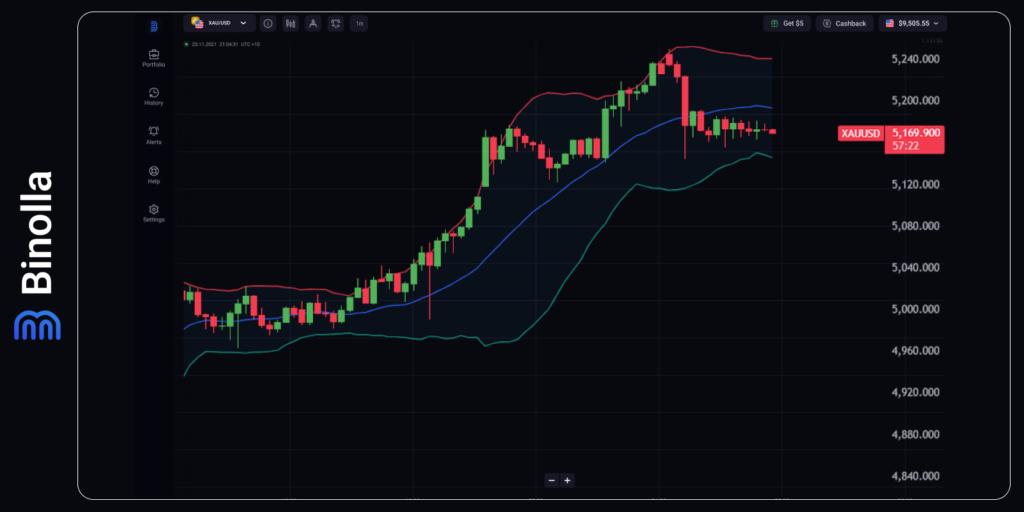
Gold is trading above 5,000 amid a risk-off mood as market participants weigh the risks of another round of trade tensions between the US and their trade partners. Geopolitical risks also support gold as the situation in the MIddle East remains complex.
From a technical analysis perspective, Gold is trading close to the lower band of the Bollinger Bands indicator. Traders can buy from 5,200 targering 5,240 and 5,280. On the downside, traders can sell from 5,100 targeting 5,060 and 5,020.