Markets Driven by Fear and Data: What Really Matters This Week

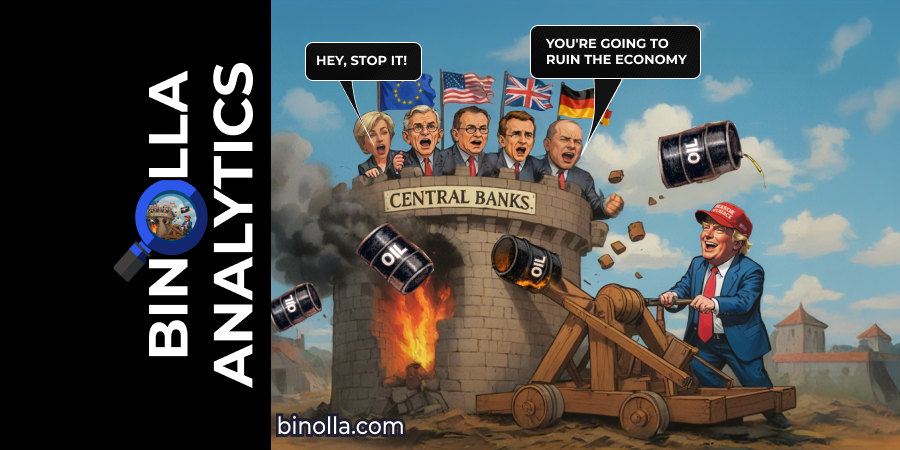
Global markets begin one of the most nervous weeks of the month, which is characterized by the increasing tensions between the US and Israel on one side and Iran on the other. The key drivers include macro data and the situation in the Middle East, which create the basis for higher volatility this week. The focus shifts from central bank decisions to real-time risks.
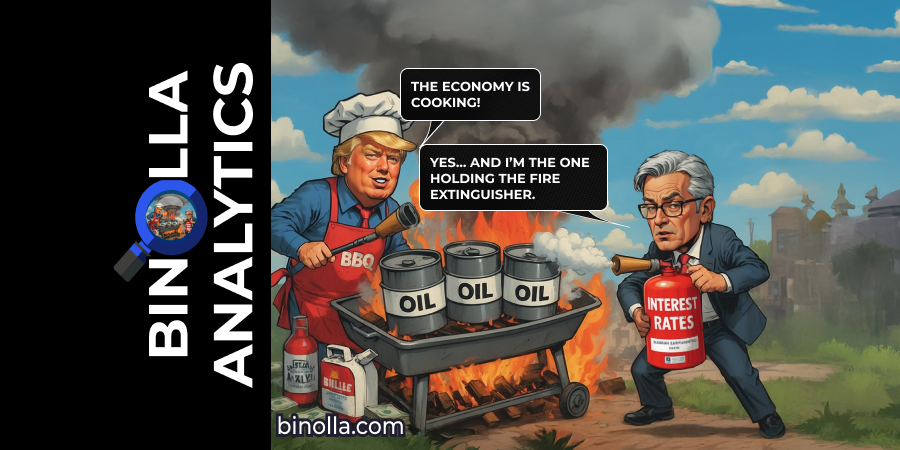
Tensions between Washington and Tehran remain the main driver. The situation around the Strait of Hormuz pushes oil prices higher as supply chains are still disrupted. Moreover, no signs of de-escalation are visible. According to Donald Trump, the US conducts negotiations with Iran. However, Iranian officials do not confirm this information. Moreover, the US president promised not to strike the Iranian key energy infrastructure, while Israel continues its strikes.
On the macroeconomic side, PMI data will be released this week. European indexes were mixed. Currently, market focus shifts to PMIs from the US. Strong numbers may provide further support to the US dollar, which is in favor amid geopolitical tensions and the latest comments from Fed Chair Powell.
Some pressure comes from weakening consumer sentiment in Europe. Rising oil prices put confidence down. Data that will be released this week will show whether consumer sentiment has improved or not.
Contents
EUR/USD: Geopolitical Pressure Keeps the Euro Under Control
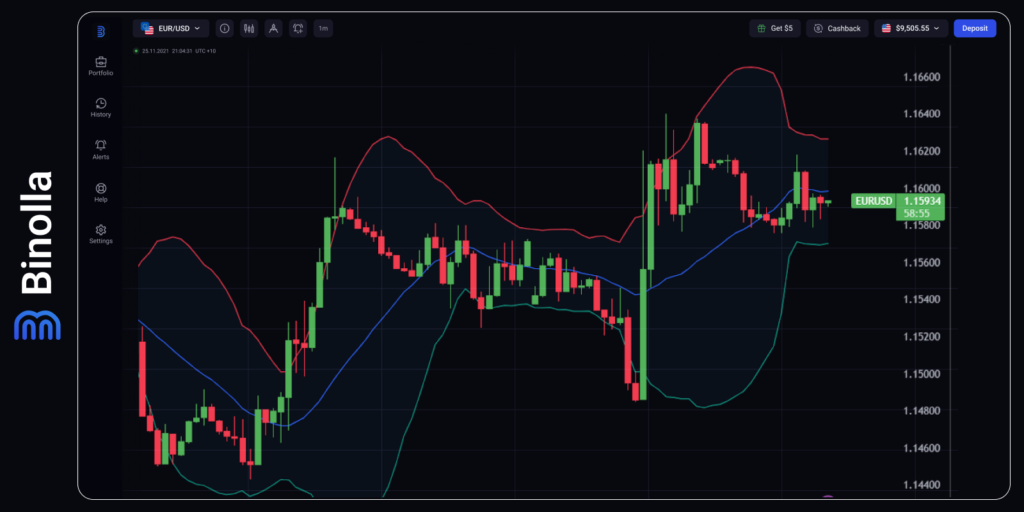
The currency pair remains under pressure due to geopolitical tensions in the Middle East. The ongoing conflict limits the upside potential for the Euro, even though the latter may benefit from a hawkish ECB stance. Relatively stable data from the Eurozone can’t provide enough support amid risk aversion as traders remain cautious. Any further escalation can worsen the situation and provide some additional support to the US dollar. When it comes to the European Central Bank, it maintains its wait-and-see approach, and no immediate policy changes are expected. The inflation rate remains above targets, which creates a mixed fundamental backdrop.

Use These Trading Ideas to Trade with Binolla!
Join Binolla and enjoy trading with a reliable brokerage
Join nowFrom a technical analysis view, the currency pair is still trading close to its local highs in the middle of the Bollinger Bands indicator, with both bands being narrow, which means that the volatility is low. Buyers can step up above 1.1610, targeting 1.1650 and 1.1700. Sellers can engage below 1.1580, targeting 1.1500 and 1.1450.
GBP/USD: Pound Under Pressure from Inflation and Energy Risks
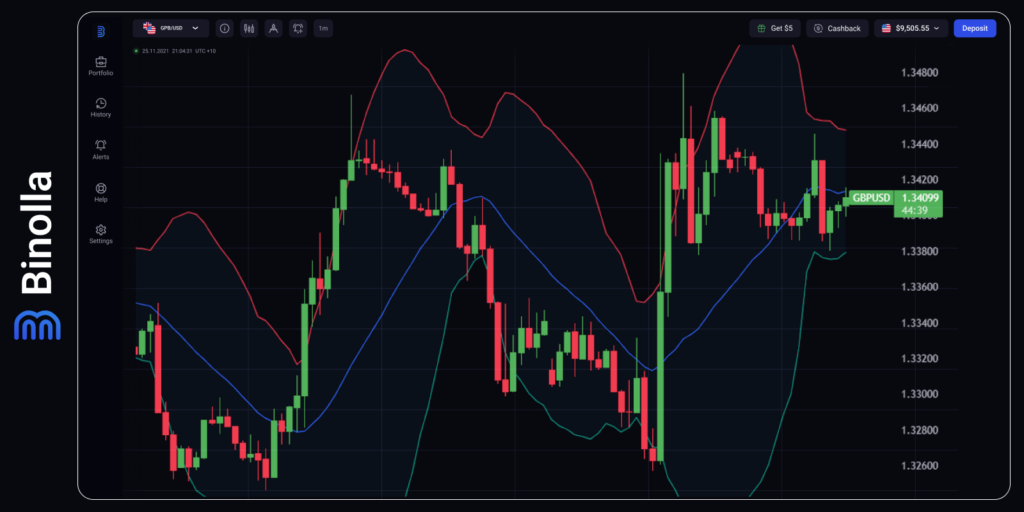
The currency pair continues to weaken amid geopolitical uncertainty and rising risks of inflation. Energy prices put inflationary pressure, while economic growth has almost stopped, which creates risks of stagflation. This, in turn, creates a pretty much difficult situation for the Bank of England, as they can’t stimulate economic growth due to inflation, which is above target. Therefore, the British pound remains vulnerable, especially if tensions in the Middle East escalate.
From a technical analysis perspective, the currency pair is trading close to its local highs in the middle of the Bollinger Bands indicator, with lines being close to each other. Buyers can engage above 1.3440, targeting 1.3500 and 1.3550. Sellers can go short below 1.3390, targeting 1.3300 and 1.3250.
WTI Crude Oil: Supply Risks Keep Prices Elevated
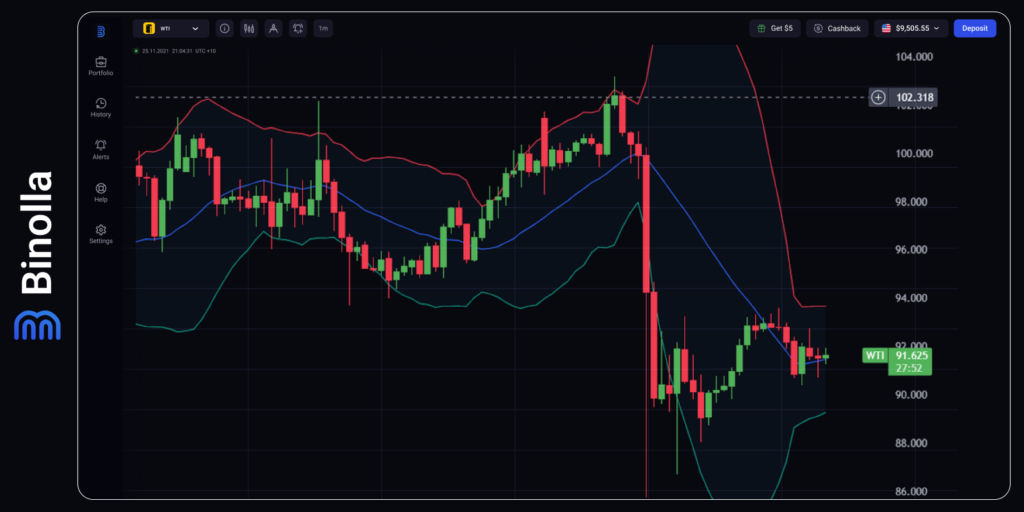
Oil prices remain supported by risks of a prolonged supply disruption in the Middle East. The situation around the Strait of Hormuz remains complex, even with the readiness of the International Energy Agency to supply global markets with its reserves. Some countries, like Japan, are also ready to release their strategic oil reserves, but if the conflict escalation continues, this may not be enough to cover global demand.
From a technical analysis perspective, WTI is trading close to its local lows with Bollinger Bands being close to each other, signalling lower volatility. Buyers can engage above 92 targeting 95.00, while sellers can step in from 91.50, targeting 90.00.
Gold: Safe-Haven Demand Meets Strong Dollar
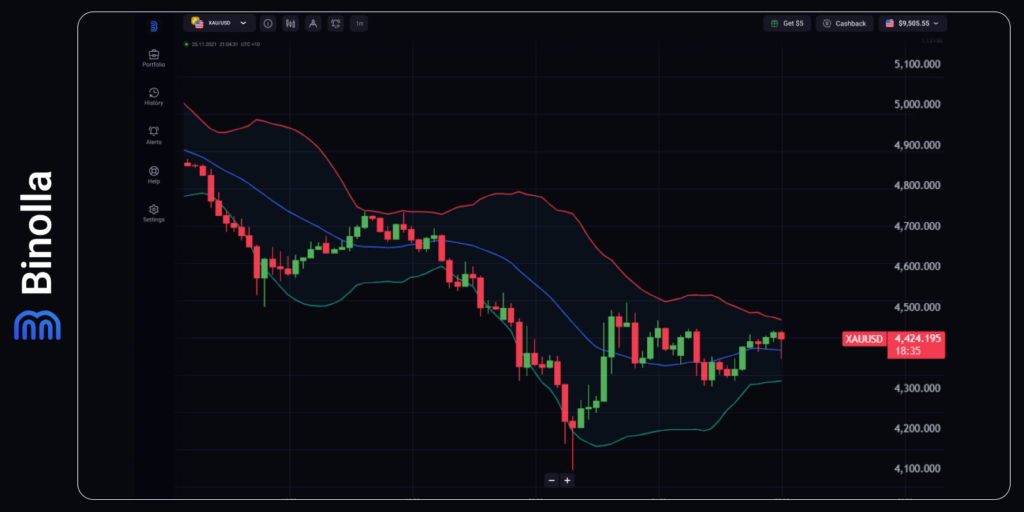
Gold is balanced between safe-haven demand and the growing interest in the US dollar. On one hand, geopolitical tensions support XAU/USD. However, on the other hand, a wait-and-see approach from the Fed provides strong support to the US currency.
Additional pressure comes from Donald Trump’s comments on energy markets. Therefore, gold continues to trade without any clear direction.
From a technical analysis perspective, XAU/USD is trading in the middle of the Bollinger Bands indicator with lines being close to each other. Buyers can go long from 4,450 targeting 4,500, while sellers can go short from 4,400 targeting 4.350.