Market Mood Swing: How to Profit from Risk-On and Risk-Off Switches
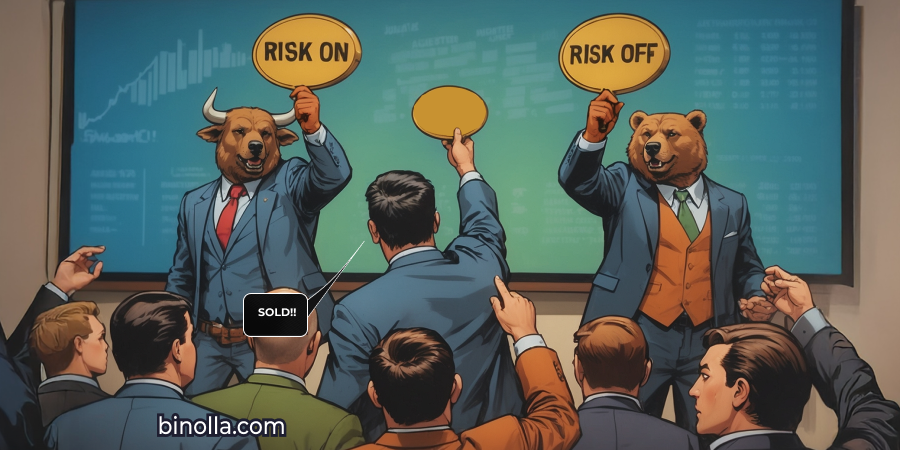
Optimism and fear are what drive financial markets constantly. Professional traders are always on guard, and they tend to use these market emotions to their advantage. If you know whether markets are in a risk-on or risk-off mood, you can improve your trading results significantly, whether you are trading CFDs, cryptos, or binary options. By reading this article, you will learn more about both conditions and how they impact various types of assets.
Contents
- 1 Risk-On Conditions Basics
- 2 Benefit Trading in Risk-on/off with Binolla!
- 3 Risk-Off Mood Basics
- 4 Differences Between Risk-On and Risk-Off
- 5 How Different Assets Behave Under Both Conditions
- 6 Real-World Examples
- 7 Key Lessons to Be Learned from These Events
- 8 Conclusion
- 9 FAQ
- 9.1 What is the difference between risk-on and risk-off conditions?
- 9.2 How can I identify risk-on and risk-off conditions in real time?
- 9.3 Which assets perform better during risk-on?
- 9.4 Which assets should I choose during risk-off periods?
- 9.5 Can markets switch between risk-on and risk-off modes?
- 9.6 How should I change strategies between risk-on and risk-off environments?
Risk-On Conditions Basics
A risk-on environment refers to times when financial market participants take higher levels of risk, expecting higher gains. Traders and investors show strong confidence in economic growth and political stability. It results in capital inflows into stock markets, emerging currencies, cryptos, and even growth-oriented industries.
To make it simple and clear, risk-on means that optimism dominates the market. Investors expect more favorable conditions when they invest funds during the period of economic expansion.
Market Perception in Risk-On Periods
The psychology behind risk-on can be explained by optimism, confidence, and opportunity-seeking behavior. Market participants are looking for opportunities to allocate their funds under economic conditions that they believe will remain positive and favorable. This, in turn, leads to increased trading activity, higher leverage usage, and greater interest in speculative assets.
FOMO is among the dominant emotions during such periods. Traders and investors tend to get aggressively into positions, thinking that such opportunities are not frequent. Risk-on mood often leads to bubble creation.

Benefit Trading in Risk-on/off with Binolla!
Register at Binolla and start trading with a reliable brokerage
Join nowRisk-Off Mood Basics
Contrary to risk-on, the risk-off mood describes the situation when traders and investors reduce their exposure to risky assets and tend to move their funds to safer ones. Such conditions are typical for times of economic, political, or financial instability. The goal is to protect your capital against uncertainty.
To make it clear, in a risk-off environment, caution dominates the market. Traders and investors prioritize safety and stability and avoid investing in industries and niches that may be touched by a crisis.
Investors’ Thinking During Risk-Off Phase
During the risk-off period, traders and investors switch to a defensive mood. They are dominated by fear and uncertainty. Any negative news quickly trigger panic sell-offs. The number of short positions increases, which triggers another cycle of short selling, reinforcing downward momentum.
Differences Between Risk-On and Risk-Off
Traders should know the difference between the two conditions to deal with them appropriately. This will allow them to know when to engage and which types of assets to buy. By understanding this difference, you will know where capital may flow and, thus, be prepared in advance. Let’s have a closer look at some parameters and how they change in both states:
- Market sentiment. During the risk-on mood, market sentiment is positive and optimistic. This optimism favors aggressive buying of various types of assets. In risk-off mode, markets are in defensive positions. Traders move from risky assets to those they believe will protect their capital.
- Capital flows. During risk-on periods, funds move into assets with higher yield like stocks, cryptos, and some currencies. On the other hand, during risk-off periods, money flows into some commodities and bonds, which are considered safe-haven assets.
- Volatility. In risk-on mode, volatility is stable and relatively low. Smooth upside movements are followed by periods of consolidation. When it comes to risk-off conditions, volatility spikes as fear triggers panic sell-offs, leading to significant price plunges.
- Trading behavior. Traders tend to increase their position sizes, hold trades for longer, aim for higher targets, and use swing and trend-following strategies. In times when risk-off is active, traders often reduce their position sizes, switch to short-term strategies, and avoid high-risk setups.
The table below will help you make a comparison:
| Factor | Risk-On Environment | Risk-Off Environment |
| Market Sentiment | Optimistic, confident | Fearful, cautious |
| Investor Focus | Growth and returns | Capital preservation |
| Capital Flows | Into risk assets | Into safe-haven assets |
| Volatility | Low to moderate | High and unstable |
| Stock Market | Strong rallies | Broad sell-offs |
| Forex Market | Risk currencies strengthen | Safe-haven currencies strengthen |
| Commodities | Industrial commodities rise | Gold and defensive commodities rise |
| Cryptocurrencies | Bullish momentum | Sharp declines |
| Trading Style | Aggressive, trend-following | Defensive, short-term |
| Risk Appetite | High | Low |
How Different Assets Behave Under Both Conditions
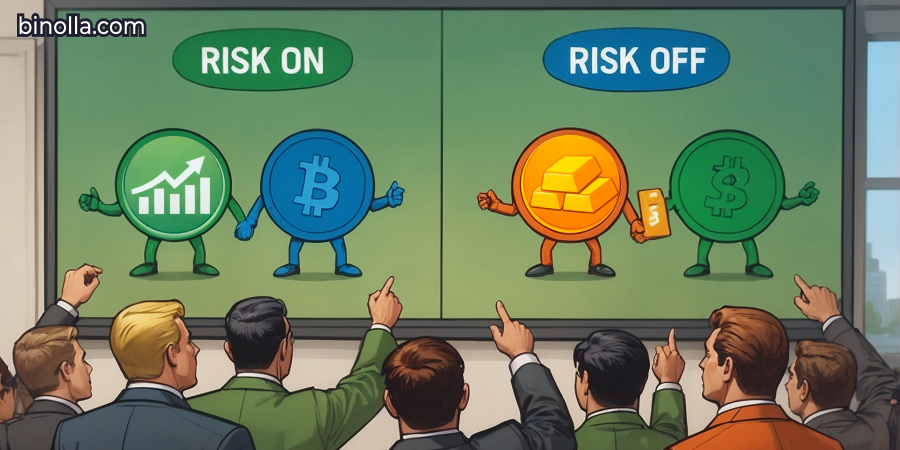
Now that you know more about both market states, it is time to have a closer look at how different classes of assets behave.
Stock Market
Stocks typically rise during risk-on periods as investors favor growth-oriented sectors. When it comes to indices, they also show great positive performance. The market optimism supports broader stock markets, which tend to reach new highs. On the other hand, when risk-off mode is on, traders and investors tend to get rid of stocks and indices from their portfolios, especially those shares from smaller-cap companies.
Forex Market
Unlike the stock market, which demonstrates quite a unanimity during risk-on and risk-off modes, Forex is divided into two parts. Some currencies with higher rates tend to grow in times when optimism dominates and fall sharply when markets are cautious. Currencies like JPY or CHF with lower rates close to zero, in turn, outperform risky currencies when a negative news environment dominates.
Commodities
This class of assets includes two groups. Oil and other energy-related assets, together with crops, perform better in times of market optimism. However, once the market mood changes, traders and investors tend to allocate their funds to gold, silver, and other precious metals.
Bonds
The bond market remains under pressure in times of optimism. Bonds offer lower yields as compared to many other groups of assets, which means that they are not interesting to traders and investors when there are plenty of other opportunities to make money. However, once market mood changes, traders and investors rush into bonds as they represent a safe haven, helping them survive political, financial, or economic crises.
Cryptocurrencies
While Bitcoin is sometimes called “digital gold”, its behavior is not similar to that of true gold. Cryptocurrencies are still referred to as risky assets, which means that in times of global risk appetites, they can be supported by traders and investors with large amounts of cash put in them. However, in times of risk-off mode, cryptocurrencies lose their attractiveness and tend to plunge alongside other risky assets.
If you are trading binary options, you can also make money when trading cryptocurrencies during risk-on and risk-off modes. In risk on, cryptocurrencies normally make gains, which means that binary options traders can buy Higher contracts during upside swings.
During the risk-off mode, cryptocurrencies tend to lose positions. Therefore, the best solution is to buy Lower contracts on the downside swings, following the general downtrend.
Real-World Examples
To make it all clear, we will provide you with some examples that will show you how different types of assets performed during historical periods of uncertainty.
Trade Conflicts Between the US and Its Key Partners
The US president imposed import tariffs on goods from several countries, including China, the EU, the UK, Canada, Mexico, Japan, and others. Such a step triggered global panic, and markets switched to a risk-off mood. The introduction of tariffs threatened global economic growth and could spur inflation. Here is the market reaction to the tariffs:
- Stocks felt pressure and elevated volatility, especially in sectors depending on import;
- Forex saw safe-haven currencies to strengthen their positions with JPY and CHF moving upwards, while other currencies, like USD, EUR, GBP, etc., plunged;
- The commodities market was divided, with gold and silver rushing up, while oil and other commodities were moving down.
US-Iran Conflict
The next example is the current conflict between the US and Iran. The military escalation triggered another cycle of risk-off reaction in the financial markets. Apart from airstrikes and missile exchanges, there is a risk of a blockade of the Straight of Hormuz, which supports oil prices. Therefore, oil will be among the main beneficiaries of this conflict. Fears of supply disruptions may lead to a mid-term upside trend with oil reaching $80 or even $90 per barrel. When it comes to other assets, they are likely to react as they always do when the risk-off mode is on.
COVID-19 Pandemic: Historical Risk-Off Followed By a Historical Risk-On
The pandemic triggered one of the most extreme sell-offs in history. Lockdowns led to economic slowdown in most countries, which led to unprecedented market panic. Stock markets experienced historic crashes with volatility reaching record levels. Demand destruction of oil led to a drastic price plunge, while gold and bonds saw a great interest as traders and investors were looking for safe haven assets to survive.
However, monetary and fiscal stimulus helped businesses and economies to recover quickly. Interest rates were around 0 with quantitative easing and government stimulus to support economies. This led to a quick recovery in both major and emerging economies. Broader liquidity supported most markets, including cryptocurrencies.
Key Lessons to Be Learned from These Events
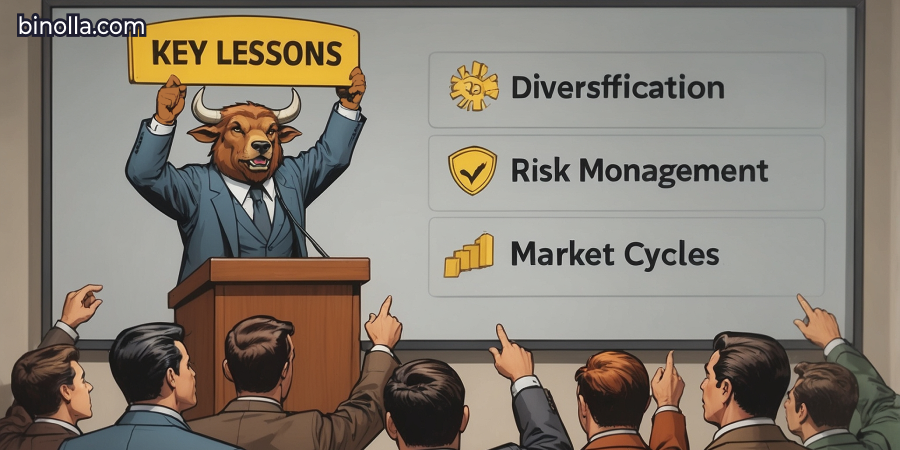
To be able to deal with risk-on and risk-off modes correctly, traders should understand when markets switch between both. Here are some recommendations to consider:
- Military conflicts and pandemics or natural disasters can produce fast shocks, which lead to risk-off;
- Trade conflicts can create uncertainty and lead to defensive market behavior;
- Geopolitical instability in energy-producing regions can lead to a sharp demand for oil, higher inflation expectations, and volatility;
- Central bank and government stimulus can provide a quick recovery even in tough situations and change the market mood from risk-off to risk-on.
Conclusion
Both risk-on and risk-off conditions offer opportunities for traders to make money in the financial markets. By understanding how capital flows in both situations, one can make informed decisions between moving into safe-haven assets or rushing into those with higher potential gains. To improve their results, traders should quickly adapt to the current market situation and adjust their money and risk management strategies appropriately. Whether you trade binary options, stocks, cryptocurrencies, or Forex, understanding market behavior in such situations may help you significantly improve your performance.
FAQ
What is the difference between risk-on and risk-off conditions?
During risk-on market situations, traders and investors tend to put money into various groups of assets with higher potential yield, as at these times, they are confident about the economic and political situation and seek to allocate their funds so that they give them the maximum possible gains. During risk-off mode, market participants are driven by fear and uncertainty, and they rush towards safe-haven assets like gold, silver, government bonds, and defensive currencies.
How can I identify risk-on and risk-off conditions in real time?
Doing that is quite simple. First, you can read the news that drives the price at this particular moment. Also, you can check the market behavior. If you see that gold is moving higher together with other safe-haven assets, then you can expect that the risk-off mood is dominating and act appropriately. In times of elevated interest in stocks, oil, and other risk assets, you can expect a risk-on mood to dominate.
Which assets perform better during risk-on?
During the risk-on phase, such assets as stocks, some currencies and commodities like EUR, GBP, AUD, oil, crops as well as cryptocurrencies show better performance. These assets show better results due to investor confidence and growing risk appetites.
Which assets should I choose during risk-off periods?
The risk-off condition in the financial markets triggers interest in gold, silver, the Swiss franc, Japanese yen, governmental bonds, and even bank deposits
Can markets switch between risk-on and risk-off modes?
Yes, sure! This move between the two can be very quick. As the COVID-19 example shows, the risk-off mood was dominating for a couple of months until central banks and governments announced their support measures for businesses and economies. Moreover, in times of geopolitical turbulence, any positive news about de-escalation can significantly improve market mood.
How should I change strategies between risk-on and risk-off environments?
During risk-on periods, traders typically use strategies based on trend following. They open larger positions and seek for growth-oriented assets. When the mood switches to risk-off, traders use defensive strategies with smaller position sizes and tighter risk and money management.