Jobs & Inflation vs. Geopolitical Storm: The Two Fronts Driving Markets This Week
Global markets are experiencing dual shock this week as the US labor market has been released, but the situation in the Middle East remains difficult. The focus this week will be on geopolitics and the US CPI data, which is going to be released on Friday.
The situation around the Strait of Hormuz is still complex. The Strait is blocked, which pushed oil prices higher. Moreover, no signs of de-escalation are clearly seen. The US President announced negotiations about the 45-day ceasefire on Monday, but on Tuesday, the sides had no agreement.
Market participants still have hopes as risk appetites are still strong. On the other hand, fears of further escalation and no guarantee that Iran will reopen the Strait even if negotiations bring a ceasefire, push risky assets down.
On the US side, labor market and inflation data are in focus. Nonfarm Payrolls showed 178,000 jobs added, which is almost triple the expected. As for the unemployment rate, it decreased to 4.3%, which supported the US dollar as well. Now the focus shifts to inflation data, which will be released on Friday. Economists expect the YoY inflation data to reach 3.4%, which is above the Fed’s 2% target. This is an unlikely scenario for the Fed, and the central bank may consider at least one rate hike instead of monetary policy easing this year.
Contents
EUR/USD: Geopolitical Pressure Keeps the Euro Under Control
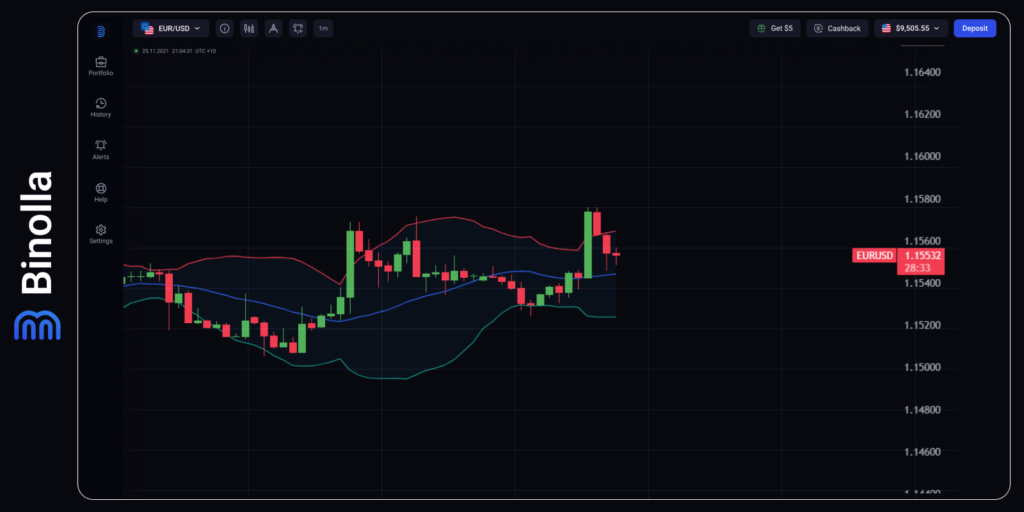
The currency pair remains under pressure amid geopolitical instability in the Middle East region. The negotiations between the White House and Tehran failed to bring a 45-day ceasefire. Moreover, the Strait of Hormuz is still closed, which puts inflationary pressure on the EUR. The currency pair is unable to benefit from the ECB’s hawkish stance as the demand for safe-haven assets remains high and the US dollar is getting stronger. The Fed does not consider any rate cuts this year, which will provide additional support to the US currency.

Start Using These Trading Ideas with Binolla!
Join a reliable brokerage and get your edge with a regulated company
Join nowFrom a technical analysis perspective, the currency pair is trading inside the Bollinger Bands indicator, with bands being close to each other. This means that the volatility is low. Traders can buy from 1.157,0 targeting 1.1600 and 1.1650. On the downside, traders can sell from 1.1540, targeting 1.1500 and 1.1450.
GBP/USD: Pound Under Pressure from Inflation and Energy Risks
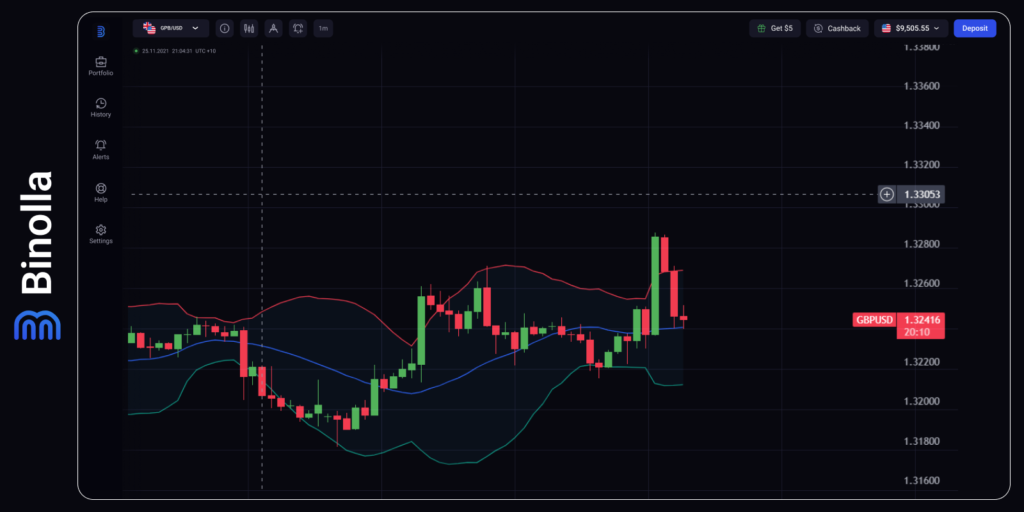
The currency pair is trading under pressure amid geopolitical developments in the Middle East. Moreover, the final UK GDP release showed that economic growth has almost stopped in the UK. However, the chances that the Bank of England will cut rates are low due to rising inflation. The central bank is in a difficult situation as it can’t support economic growth due to increased inflation pressure. Moreover, elevated oil rates will push inflation even higher. The US inflation data will be in focus this week.
From a technical analysis side, the currency pair is trading above the middle line of the Bollinger Bands indicator. The bands are narrow,w signaling low volatility. Buyers can put orders above 1.3270 targeting 1.3350 and 1.3400. Sellers can step in from 1.3230 targeting 1.3150 and 1.3100.
WTI Crude Oil: Supply Risks Keep Prices Elevated
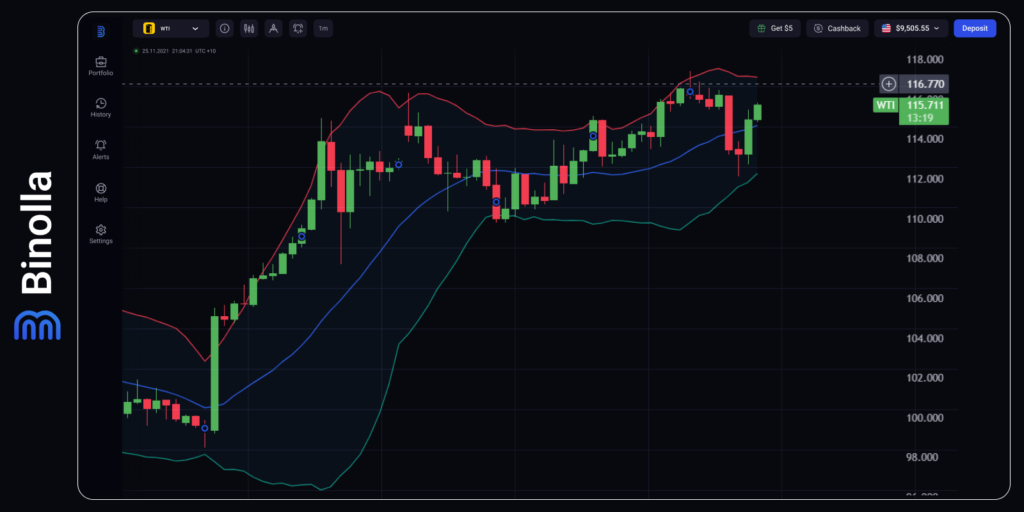
Oil prices are still supported by the ongoing conflict between the US and Iran. The situation around the Strait of Hormuz remains complex. The International Energy Agency has already released some of its reserves. However, this volume is not enough to feed demand in the long term. The negotiations between the US and Iran failed, which means that the tanker blockade will continue.
From a technical analysis perspective, oil is trading just above the middle line of the Bollinger Bands indicator, while the bands are narrow, signaling low volatility. Buyers can engage from 116.50 targeting 120.00. Sellers can step in from 114.40, targeting 112.00.
Gold: Safe-Haven Demand Meets Strong Dollar
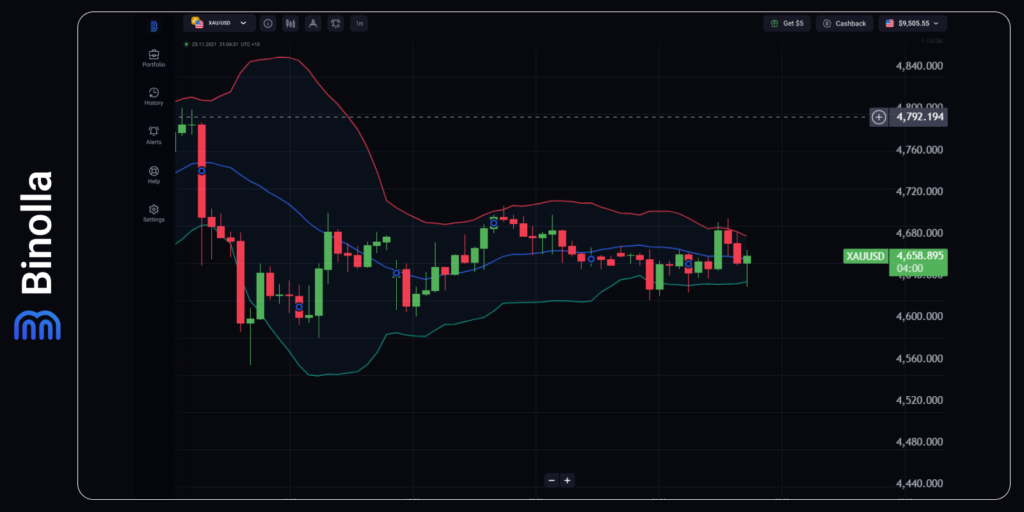
Gold balances between safe haven demand and strong demand for the US dollar. The Fed is likely to keep rates on current levels or even make a rate hike this year, which will provide further support for the American currency. Inflation data expectations give more support to the US, and geopolitical focus is also in the dollar’s favor.
From a technical analysis perspective, gold is trading within tight Bollinger Bands lines, meaning the volatility is minor. Buyers can put their orders above 4,670, targeting 4,700 and 4,720. Sellers can step in below 4.630, targeting 4,600 and 4,580.