Jobs Data Meet Geopolitical Fire: The Two Fronts Driving Markets This Week

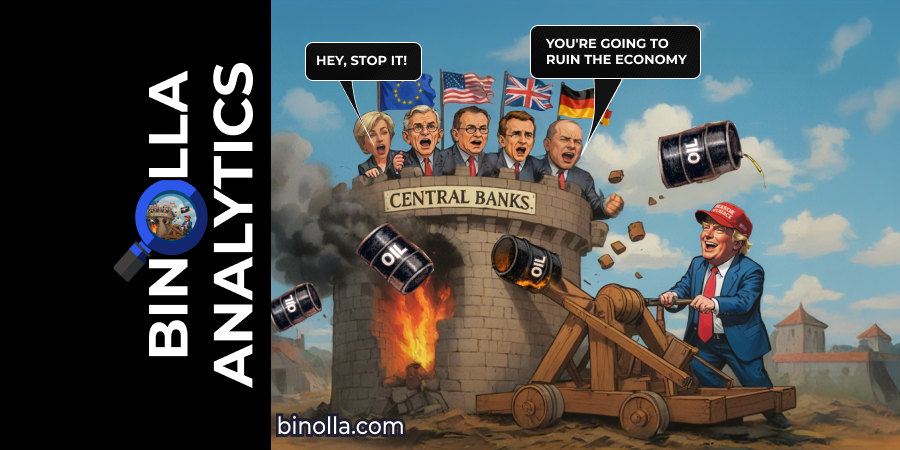
Global markets are getting ready for a dual shock this week as the US labor market data will be released. The general environment suggests that the risk-off mode will continue as the tensions in the Middle East are developing. The focus will be on whether the US economic data will provide any volatility bursts or geopolitics will steal the show.
The situation around the Strait of Hormuz remains complex. The Strait is still blocked, which supports higher oil prices. Moreover, there are no signs of de-escalation, which favors risk-off mode. The US President claims to have negotiations with Iran, but Tehran refuses any talks with the White House. Moreover, there are rumors that the US is ready to shut down its operations against Iran even without opening the Strait of Hormuz.
On the one hand, this means that the ceasefire may be around the corner. On the other hand, there is no guarantee that Iran will open the Strait even if the US stops its military operation.
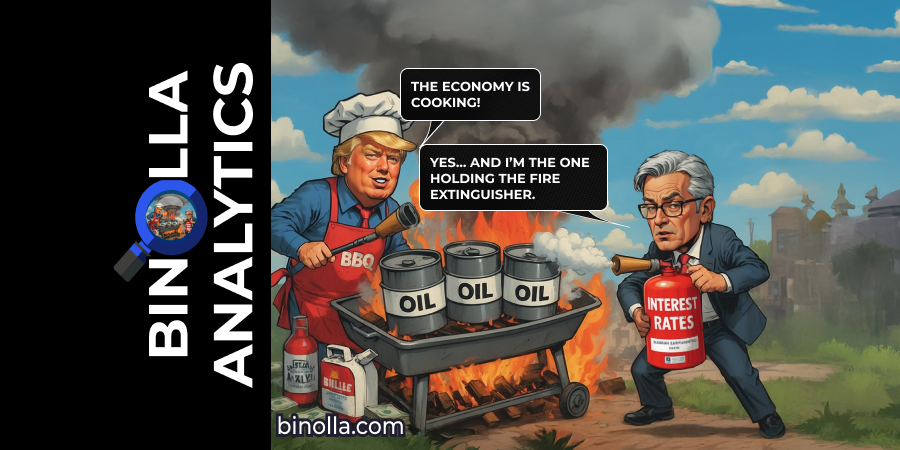
This week, the US labor market data will be in focus. While it traditionally provides higher volatility, market participants are unlikely to give a serious emphasis to this data this week due to complex geopolitical factors and rising inflationary pressure. Thus, even if the US labor market figures will be disappointing, the chances that the Fed will remain cautious are high.
Anyway, the scenario for the Fed and most major central banks remains negative. They might be choosing between saving their economies by cutting rates or refraining from aggressive steps to fight higher inflation.
Contents
EUR/USD: Geopolitical Pressure Keeps the Euro Under Control
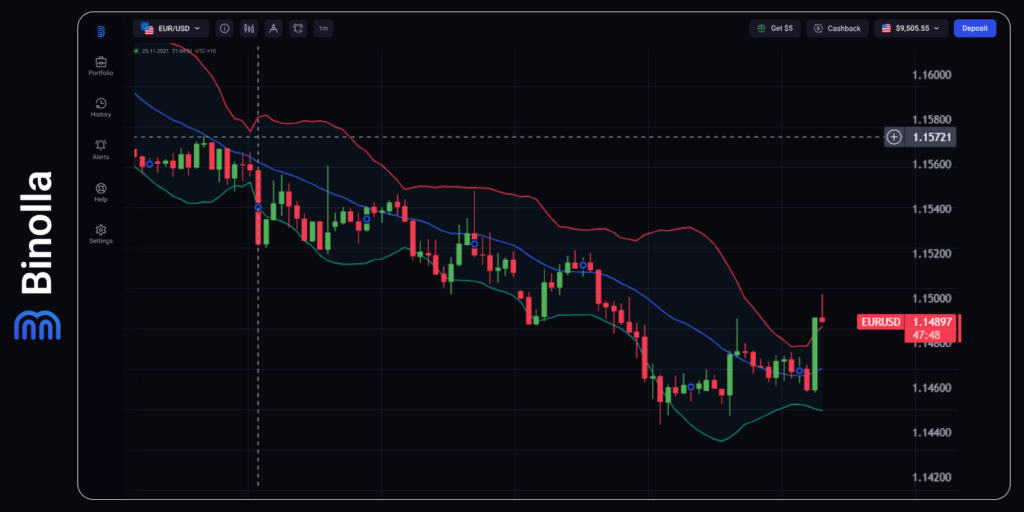
The currency pair remains under pressure due to geopolitical instability and the ongoing hot phase of the conflict between the US and Iran. The euro is even unable to benefit from a hawkish ECB stance. Stable data from the Eurozone can’t provide support to the currency amid risk aversion. When it comes to the currency pair, the US dollar is getting stronger support due to the hawkish Fed stance. The Federal Reserve does not consider any rate cuts this year. Moreover, the US dollar is getting support from general risk-off sentiment.

From a technical analysis perspective, the currency pair continues to slide down with some temporary upsides. EUR/USD is trading close to the upper band of the Bollinger Bands indicator. Traders can buy above 1.1500 targeting 1.1580 and 1.1600. On the downside, traders can sell from 1.1480, targeting 1.1400.
GBP/USD: Pound Under Pressure from Inflation and Energy Risks
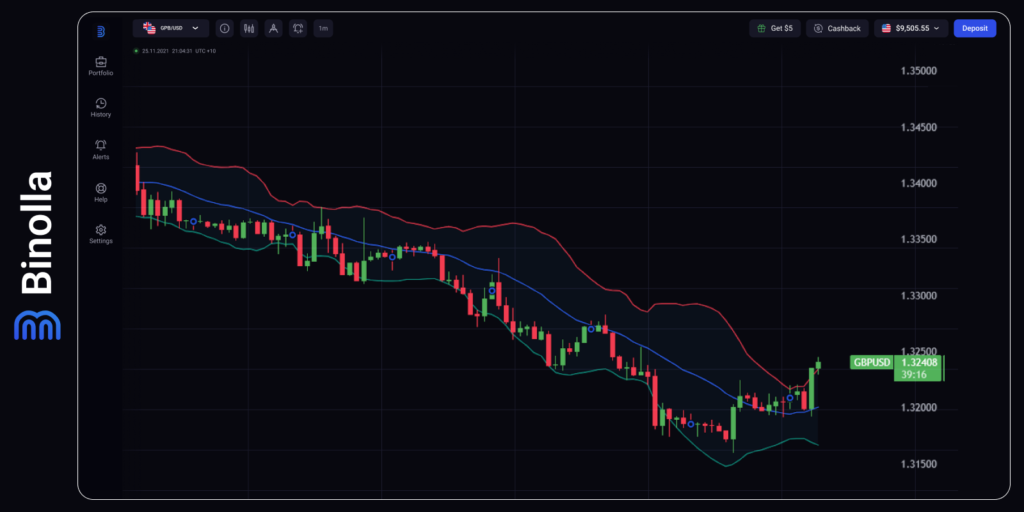
The currency pair remains under pressure amid geopolitical uncertainty and risks of rising inflation. The Final UK GDP data that was released today had almost no impact on the pound as it was already priced in. Moreover, there is a small chance that the BoE will cut rates in the environment of rising inflation. This creates a difficult situation for the Bank of England as they don’t have instruments to support the slowing economy.
From a technical analysis perspective, the currency pair remains under pressure, trying to recover after hitting another local low. GBP/USD stays close to the upper band of the Bollinger Bands indicator. Traders can buy above 1.3250 targeting 1.3300 and 1.3400. Sellers can step in below 1.3190 targeting 1.3100.
WTI Crude Oil: Supply Risks Keep Prices Elevated
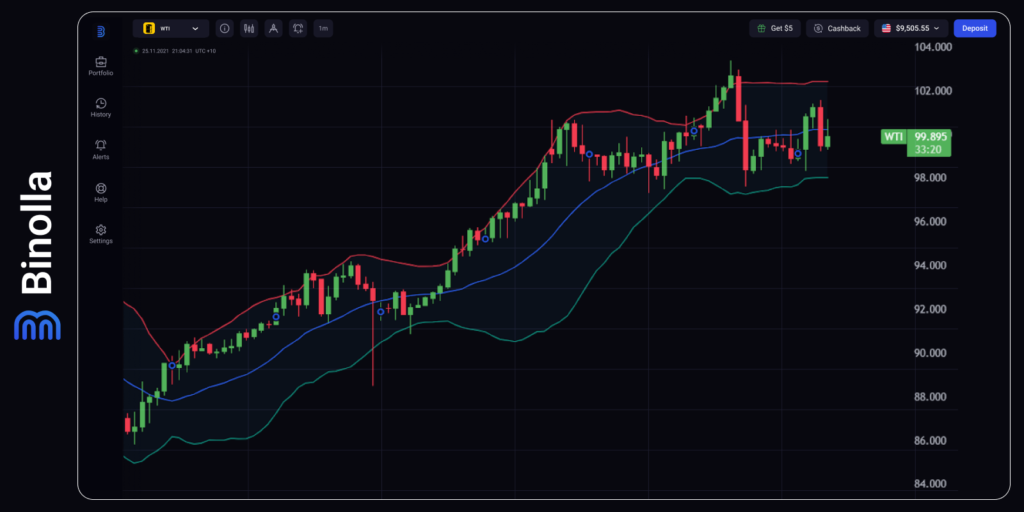
Oil prices are getting support from the ongoing conflict in the Middle East. The situation around the Strait of Hormuz remains complex. The International Energy Agency is ready to release its supplies to support the market. However, this will not be enough to cover demand in the long term. If the conflict continues, WTI is likely to see new highs.
From a technical analysis perspective, WTI is trading below the middle line of the Bollinger Bands indicator, close to its local highs. Traders can buy from 101.60, targeting 104.00 and 105.00. Sellers can engage from 99.00 targeting 98.00.
Gold: Safe-Haven Demand Meets Strong Dollar
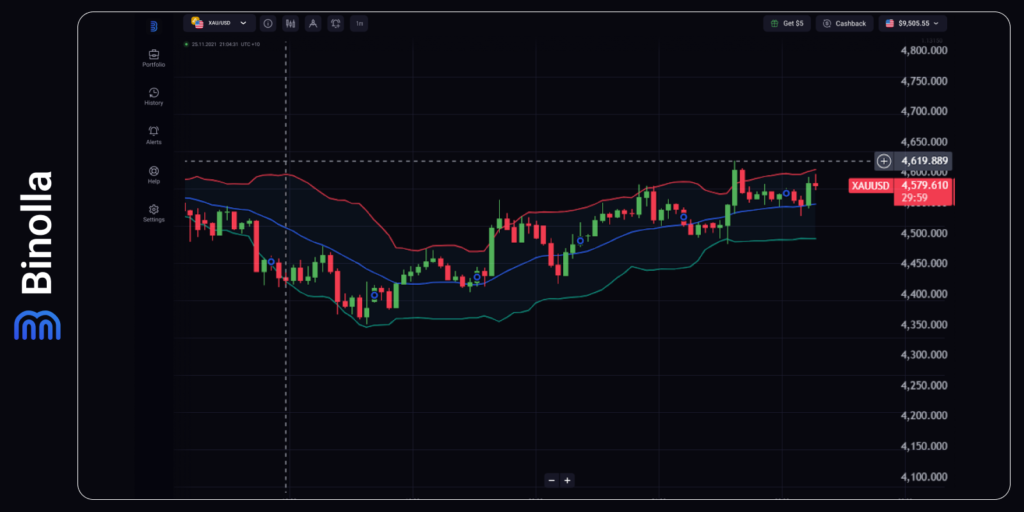
Gold is balanced between safe-haven demand and the growing support for the US dollar. The Fed is unlikely to cut rates, which means that there will be no additional support for the precious metal. On the other hand, geopolitical tensions still remain in the focus of market participants. Therefore, gold is likely to continue trading within a range.
From a technical analysis view, the price stays below the upper band of the Bollinger Bands indicator. Buyers can engage from 4,600 targeting 4,640 and 4,680. On the downside, traders can sell from 4,530 targeting 4,500 and 4,460.