Central Bank Week Under Siege: How the Oil Shock is Forcing a Hawkish Pivot
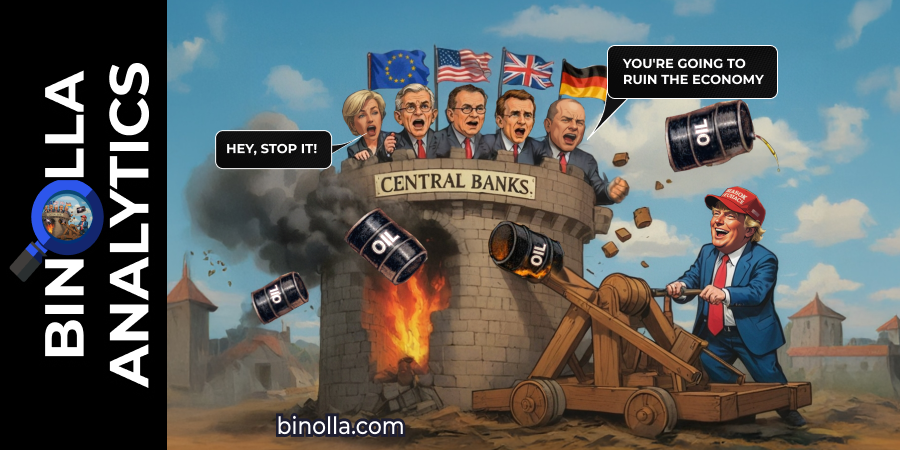
Global markets are navigating one of the most volatile weeks of the year with a lot of central banks’ meetings ahead. The Fed, together with the ECB and the Bank of England, will announce their decisions in the coming days. With a lot of important events this week, the question is: what will the official say about their future monetary policy strategies?
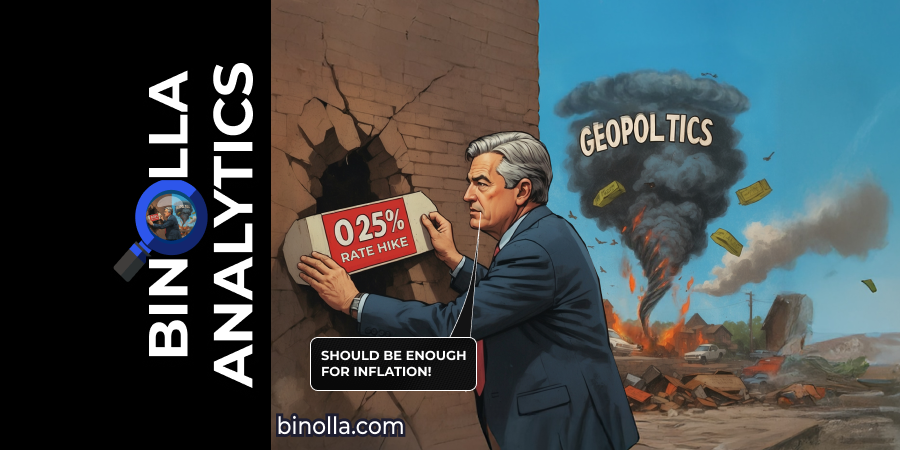
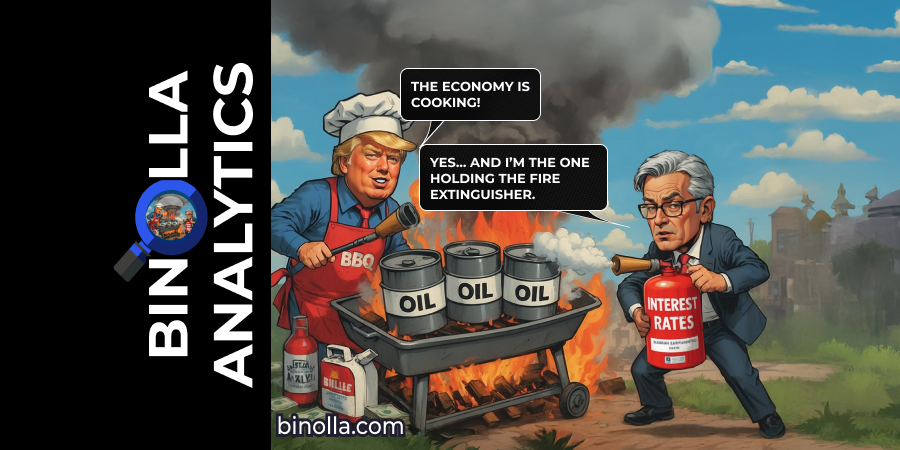
There is almost no doubt that the rates will remain unchanged. The Fed is sticking to the wait-and-see approach, especially under current conditions when the markets are pricing in higher inflation expectations amid growing oil prices. The conflict between Iran and the US/Israel entered its hot phase, and the blockade of the Hormuz Strait, one of the key oil supply arteries, threatens to cut about 20% of global oil supply.
The Fed is likely to postpone the next rate cut as inflation is still above the Fed’s target levels, and with increasing oil prices, it can reach even higher marks in the coming months. The upcoming meeting will bring to the table FOMC economic projections, which will shed light on how the central bank perceives economic growth, inflation, and labor market developments.
The European Central Bank is expected to hold off on cutting rates. They weren’t planning it for this time, and with increasing inflation pressure, they can postpone any further cuts even to later dates. Moreover, similar to the Fed, the ECB can even consider rate hikes if inflation reaches critical levels.
When it comes to the Bank of England, Bailey and Co are expected to avoid any steps as well. The conflict in the Middle East, together with rising oil prices, will have a major impact on what central bankers will discuss. The bias for possible hikes by the end of the year is also possible. Therefore, waiting for their comments from central bankers will be the best strategy this week.
Contents
EUR/USD: Geopolitical Risks Continue to Pressure the Euro
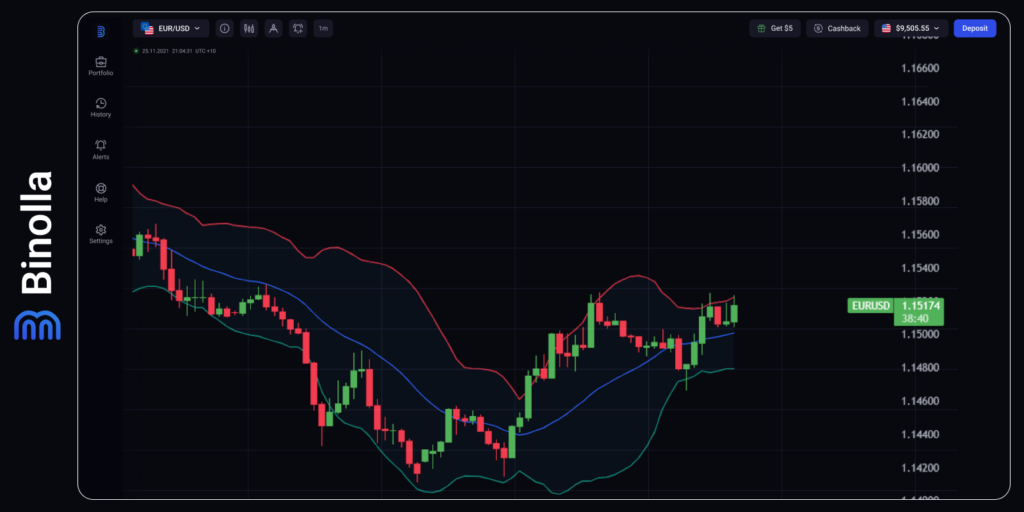
The currency pair remains under pressure as geopolitical risks persist. However, it gains some support amid better figures from the Eurozone and comments that the European Central Bank is unlikely to make any adjustments to monetary policy on Thursday. However, the ongoing conflict between Iran and the US cuts any attempts at further uptrend amid geopolitical turbulence. Inflation pressure in the Eurozone remains strong, while economic growth is fragile. The wait-and-see approach prevails, but in case of any significant changes, the ECB will act accordingly.

Use These Ideas to Trade with Binolla!
Join the reliable brokerage and place your informed trades at Binolla
Join nowFrom a technical analysis perspective, the currency pair is trading close to the upper band of the Bollinger Bands indicator, with bands being narrow, indicating low volatility. Buyers can jump in above 1.1530 targeting 1.1600, 1.1650. Sellers can engage below 1.1490, targeting 1.1450 and 1.1400.
GBP/USD: The Pound Remains Under Pressure Amid Global Turbulence
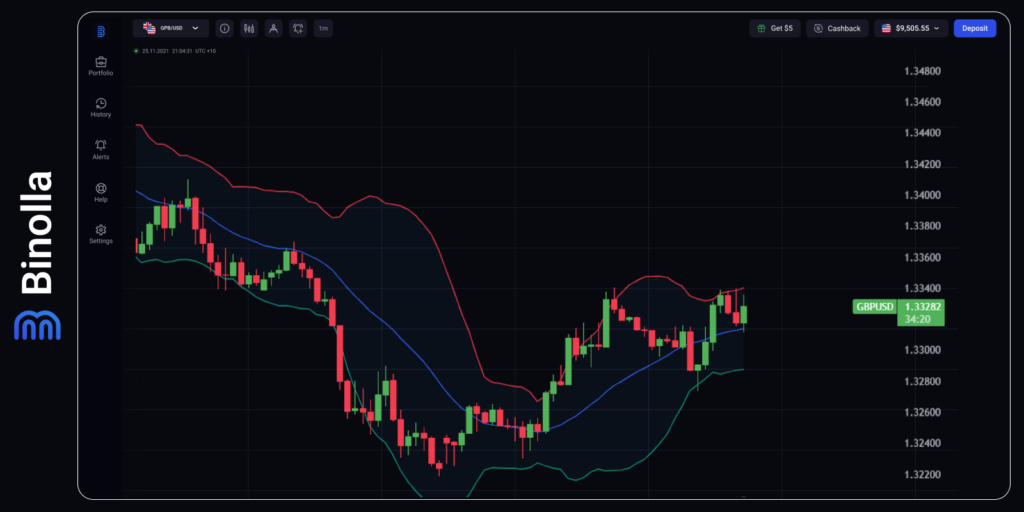
The currency pair remains under pressure amid geopolitical turbulence and inflation expectations. Rising oil prices may push prices higher, which will prevent the Bank of England from cutting rates to support economic growth. The UK inflation remains above 3,1%, which is above the target range set by the Bank of England. Therefore, the central bank has limited room to react. With further negative developments in the Middle East, the situation will become even worse for the UK.
From a technical analysis view, the currency pair is trading between the middle and upper band of the BB indicator, but with narrow bands, which indicates low volatility. Traders can buy from 1.3340 targeting 1.3400 and 1.3450. On the downside, traders can sell from 1.3310, targeting 1.3250 and 1.3200.
WTI Crude Oil: Supply Risks Grow as Middle East Tensions Intensify
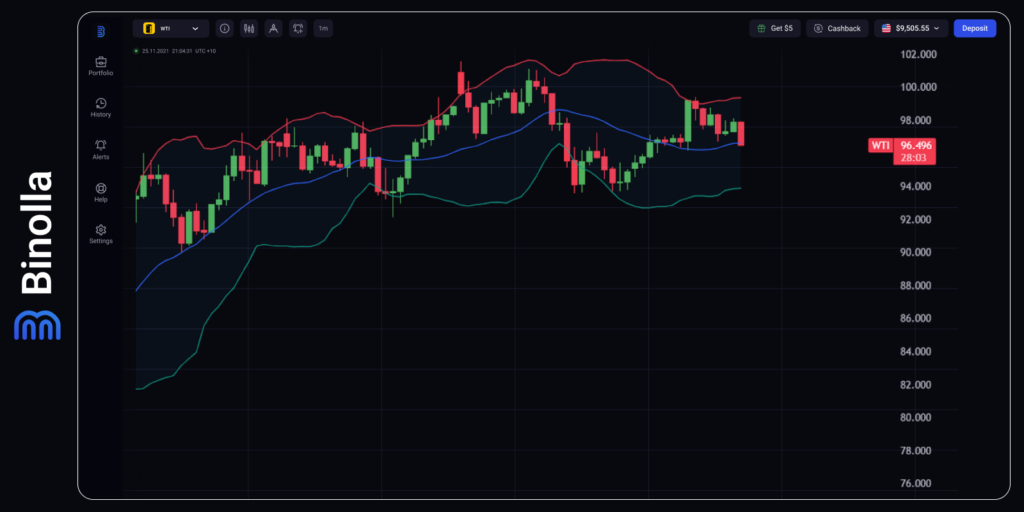
Oil demand remains elevated amid the blockade of the Strait of Hormuz. While the International Energy Agency is ready to release some reserves, market participants understand that they are not enough to feed the demand over a long period. Thus, if the conflict develops further, oil prices may break above $100 and move higher. The US president has already announced that he will waive some restrictions until the Straight of Hormuz is opened again.
From a technical analysis side, oil is trading below the middle line of the BB indicator, which is narrow, meaning low volatility. Traders can sell below 96.20, targeting 95.00 and 93.60. On the upside, traders can buy from 99.30 targeting 101.20.
Gold: Safe-Haven Demand Balances Dollar Strength
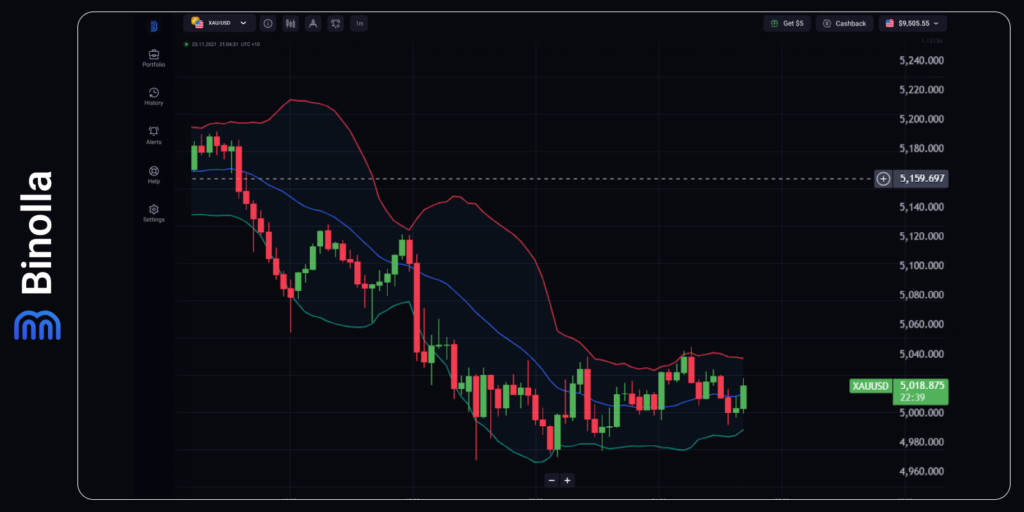
Gold remains under pressure amid global safe-haven demand. This situation is balanced by higher demand for the US dollar, which outweighs any attempts at further gains. The recent announcements from the IEA and Donald Trump put additional pressure on Gold
From a technical analysis perspective, gold is trading above the lower band of the BB indicator. Buyer can step in above 5,040 targeting 5,080 and 5,100. Sellers can engage below 4,990 targeting 4,950 and 4,920.